Acetylene cylinders are widely used in welding, flame cutting, metal fabrication, equipment maintenance, and other industrial applications. Their design, manufacturing, filling, transportation, storage, and operation are all governed by national regulations and recognized industry standards. Following these standards helps ensure safe gas storage, stable performance, and reliable operation while reducing equipment failures and workplace hazards. Whether in manufacturing plants or construction sites, understanding the applicable standards is essential for improving operational safety, maintaining equipment reliability, and supporting efficient production.
How National Standards Support the Working Principle of Acetylene Cylinders
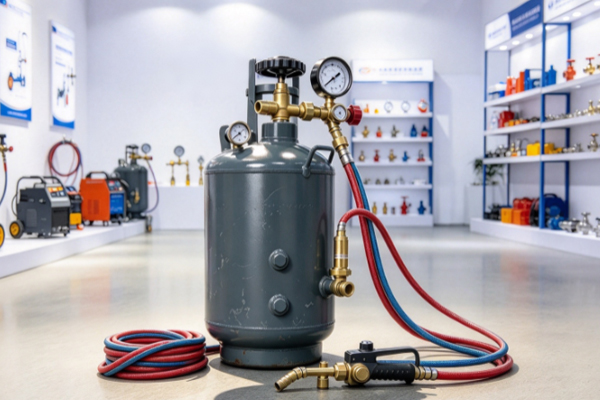
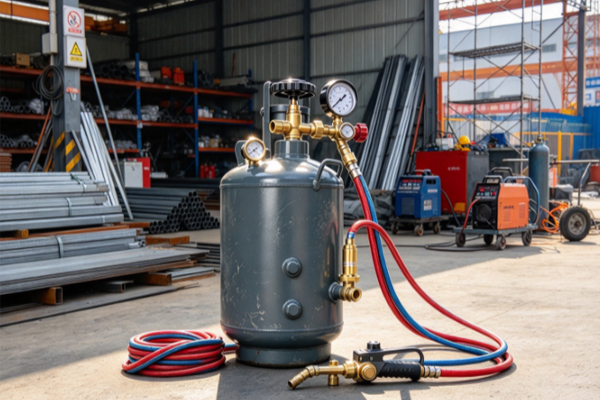
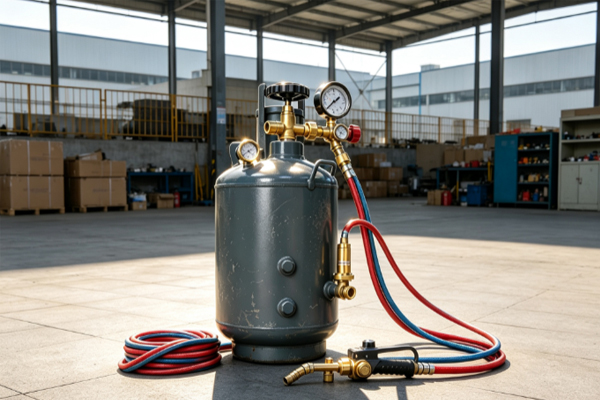
Acetylene cylinders use dissolved acetylene storage technology, where acetylene gas is dissolved in acetone contained within a porous filler material. This design allows the gas to remain stable under safe pressure conditions. National standards establish requirements for cylinder materials, structural design, pressure resistance, valve specifications, and safety devices to ensure safe operation during normal use. These standards also define the basic requirements for pressure regulators, flashback arrestors, pressure gauges, and other accessories, allowing the complete gas supply system to maintain proper sealing and stable performance. Equipment that complies with recognized standards significantly reduces operational risks caused by poor manufacturing quality or incorrect installation.
The Value of Following National Standards
Using acetylene cylinders according to applicable standards helps maintain safety throughout transportation, storage, and daily operation while improving the stability of welding and cutting processes. Standardized procedures reduce the likelihood of gas leaks, flashback, pressure fluctuations, and equipment failures. In industrial facilities, compliance also simplifies equipment management by establishing consistent inspection and maintenance procedures. Properly maintained cylinders and accessories generally provide longer service life, lower maintenance costs, and improved operational efficiency. Following established standards contributes to a safer workplace and supports uninterrupted production.
Key Requirements for Safe Acetylene Cylinder Use
Before an acetylene cylinder is placed into service, operators should confirm that both the cylinder and its accessories comply with current regulations. Consistent implementation of standard operating requirements helps improve safety and equipment reliability.
The following inspection items are recommended:
- Verify the cylinder inspection certification:Confirm that the cylinder is within its required inspection period and that identification markings remain clear and complete.
- Keep the cylinder in an upright position:During storage and operation, secure the cylinder vertically to protect the internal structure and maintain proper gas release.
- Install regulators and accessories correctly:Ensure that all regulators, valves, hoses, and fittings match the required specifications and provide secure, leak-free connections.
- Use flashback arrestors:Install flashback arrestors in welding and cutting systems to reduce the risk of flame traveling back into the gas supply equipment.
- Perform leak testing before operation:Apply a soap solution to valves and connection points to verify that no bubbles appear before beginning work.
Following these requirements improves the safety and stability of the complete acetylene gas system while reducing the possibility of unexpected failures.
Typical Applications Where National Standards Are Required
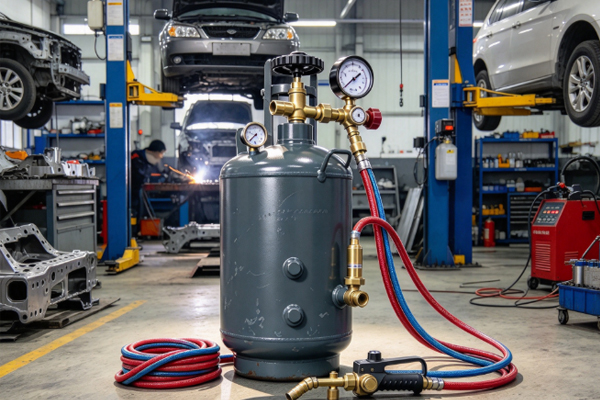
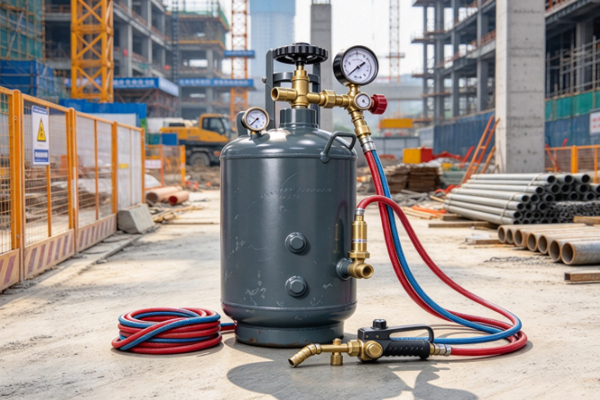
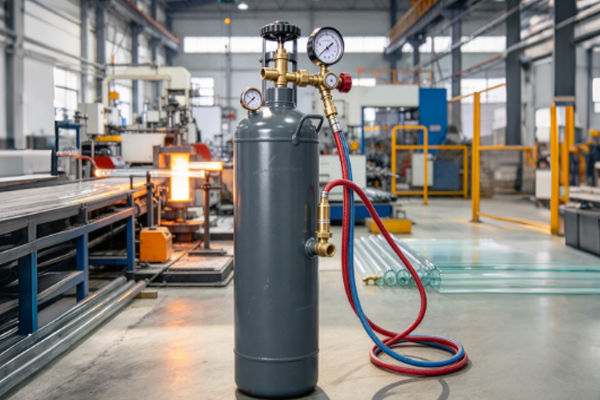
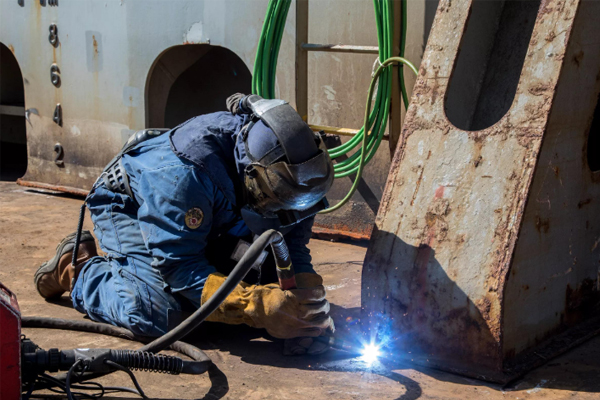
Acetylene cylinders are commonly used in structural steel fabrication, machinery manufacturing, automotive repair, shipbuilding, construction, and pipeline installation. Large manufacturing facilities rely on standardized procedures to improve operational consistency and production efficiency. Construction sites use standardized transportation, securing, and connection methods to reduce risks in changing work environments. Automotive repair workshops benefit from properly installed regulators, welding torches, and flashback arrestors to improve repair quality and operator safety. Industrial facilities performing continuous production also benefit from standardized equipment management systems that support reliable long-term operation.
Best Practices for Using Acetylene Cylinders in Compliance with Standards
Establishing standardized management procedures is essential for maintaining long-term safety and reliable operation. Regular inspections, preventive maintenance, and consistent operating practices reduce equipment failures and improve overall system performance.
The following management practices are recommended:
- Establish routine inspection schedules:Regularly inspect cylinders, pressure regulators, pressure gauges, hoses, and related accessories for proper operating condition.
- Maintain maintenance records:Record all inspections, repairs, and component replacements to improve equipment management and traceability.
- Provide operator training:Ensure personnel understand proper operating procedures, equipment functions, and workplace safety requirements.
- Follow proper transportation and storage procedures:Protect cylinders from impact during transportation and store them in cool, dry, well-ventilated locations away from heat sources.
- Remove damaged equipment from service immediately:If gas leakage, abnormal pressure, or damaged accessories are detected, discontinue use until the equipment has been properly inspected and repaired.
Consistently applying these standardized practices helps improve acetylene cylinder safety, supports stable welding and cutting performance, and provides reliable gas supply for industrial manufacturing and metal fabrication operations.