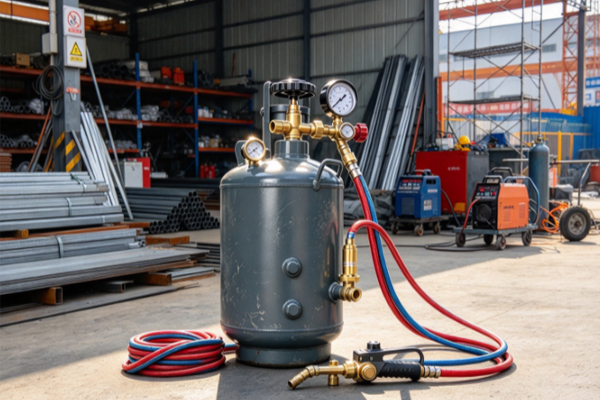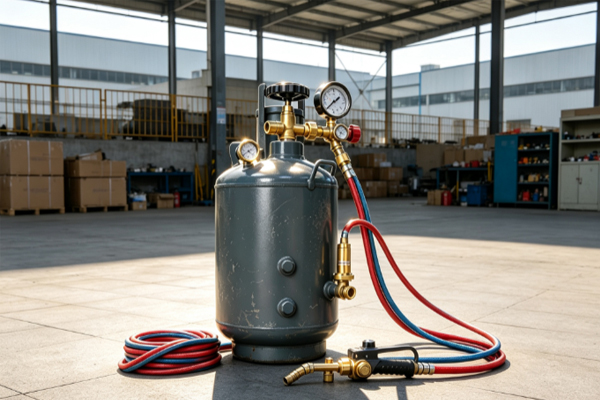
Acetylene cylinders are widely used in welding, flame cutting, structural steel fabrication, machinery repair, and many other industrial applications. During operation, flashback is one of the most common abnormal conditions that may occur. When the flame travels backward through the welding torch, hose, or even the gas supply system, it can affect welding quality, damage equipment, and create serious safety hazards. Flashback is usually caused by improper gas pressure, poor equipment connections, blocked torch nozzles, or incorrect operating procedures. Understanding how flashback occurs and following proper preventive measures helps improve equipment reliability and maintain safe working conditions.
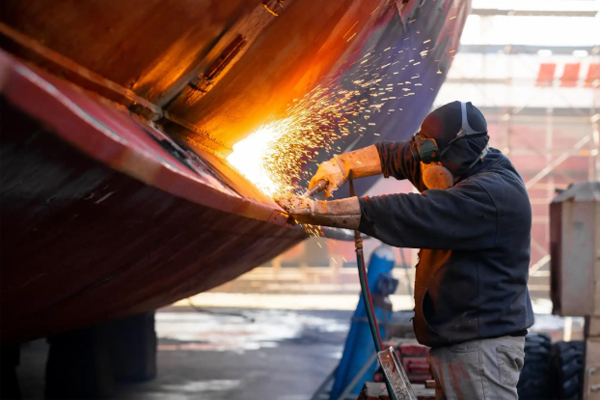
The Working Principle of Flashback
An oxy-acetylene system operates by mixing acetylene and oxygen at the correct ratio to produce a stable flame. Flashback occurs when the gas flow velocity becomes lower than the flame propagation speed or when abnormal pressure conditions develop within the gas supply system. Under these conditions, the flame may travel backward through the torch, hose, and even toward the pressure regulator or cylinder connection.
Several factors may contribute to flashback, including blocked torch nozzles, incorrect pressure settings, gas leaks, loose fittings, or excessive torch temperature. During extended welding operations, welding slag or debris may accumulate inside the nozzle, affecting normal gas flow and increasing the possibility of flashback. Understanding these causes allows operators to take preventive measures before problems occur and helps maintain stable system performance.
The Importance of Flashback Prevention
Preventing flashback not only improves operator safety but also helps maintain welding and cutting quality. Stable flame performance produces smoother welds, cleaner cutting edges, and more consistent processing results while reducing unnecessary rework.
Effective flashback prevention also protects pressure regulators, flashback arrestors, welding torches, hoses, and other gas system components from heat damage. For manufacturing facilities operating continuously, reducing equipment failures improves productivity while lowering maintenance costs. A stable gas supply system also contributes to a longer service life for acetylene cylinders and related accessories.
Effective Ways to Prevent Flashback During Acetylene Cylinder Operation
Preventing flashback requires proper equipment management, correct gas pressure adjustment, and standardized operating procedures. Every detail contributes to the stability of the gas supply system, and consistent operating practices significantly reduce flashback risks.
The following recommendations should be followed during daily operation:
- Install flashback arrestors:Use approved flashback arrestors on both the acetylene and oxygen supply lines to stop flame propagation if flashback occurs.
- Adjust working pressure correctly:Set acetylene and oxygen pressures according to the torch specifications and application requirements to maintain sufficient gas flow.
- Keep the torch nozzle clean:Remove welding slag, metal particles, and other debris regularly to ensure stable gas flow and proper flame characteristics.
- Inspect hoses and fittings:Check hoses for cracks, aging, or leakage, and ensure all connections remain secure before operation.
- Prevent excessive torch overheating:During long periods of continuous operation, allow the torch to cool periodically to maintain stable combustion conditions.
Following these procedures greatly reduces the possibility of flashback and helps maintain a safe and reliable acetylene gas supply system.
Flashback Prevention Requirements in Different Working Environments
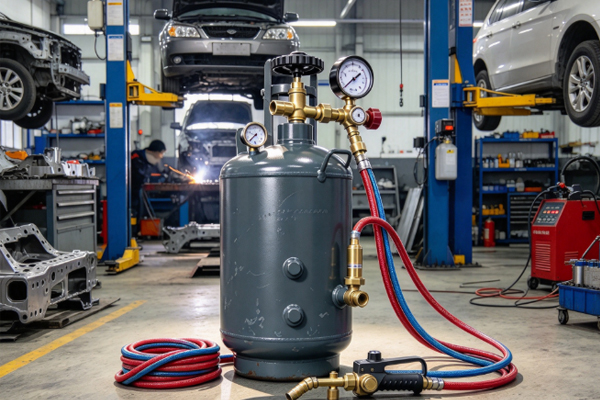
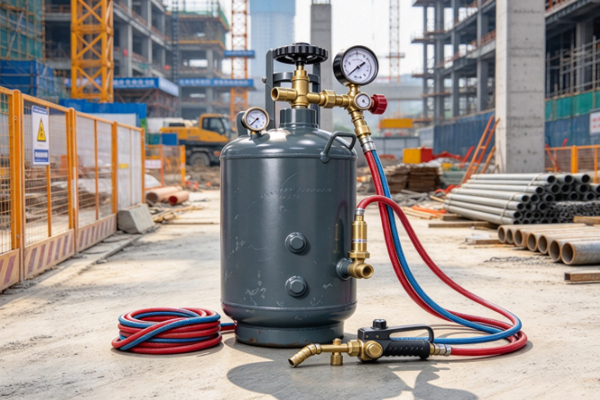
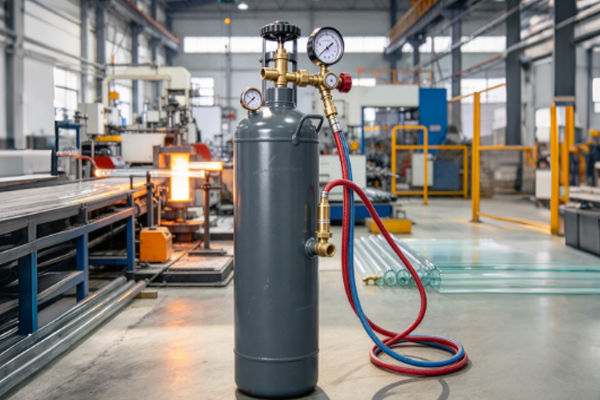
Acetylene cylinders are used in automotive repair, structural steel fabrication, shipbuilding, construction, and machinery manufacturing. Each working environment presents different challenges for flashback prevention. Automotive repair workshops usually have limited space, making good ventilation and proper hose routing especially important. Steel fabrication plants often perform long periods of continuous welding, requiring frequent inspection of torch temperature and nozzle condition to maintain flame stability. Construction sites should position cylinders away from direct sunlight and combustible materials while maintaining organized work areas. Shipbuilding facilities and heavy manufacturing plants often involve continuous production, making routine inspection and timely replacement of worn accessories essential for maintaining safe and reliable gas supply systems.
Daily Maintenance to Reduce Flashback Risks
Proper operating procedures should always be supported by regular maintenance. Routine inspection and preventive maintenance help keep the welding system operating safely and efficiently while reducing the likelihood of flashback.
Recommended maintenance practices include:
- Inspect flashback arrestors regularly:Verify that flashback arrestors function correctly and replace them according to the recommended maintenance schedule.
- Check pressure regulator performance:Ensure the regulator delivers stable working pressure throughout operation.
- Replace aging hoses promptly:Remove and replace hoses showing cracks, hardening, excessive wear, or other signs of deterioration.
- Keep all connections secure:Regularly inspect valves, fittings, and seals to prevent gas leaks that could affect flame stability.
- Establish a routine inspection program:Maintain inspection records for welding torches, regulators, flashback arrestors, and acetylene cylinders to support long-term equipment reliability.
Consistent maintenance combined with proper operating procedures effectively minimizes flashback risks while improving welding efficiency and providing a safer, more dependable gas supply system for industrial applications.