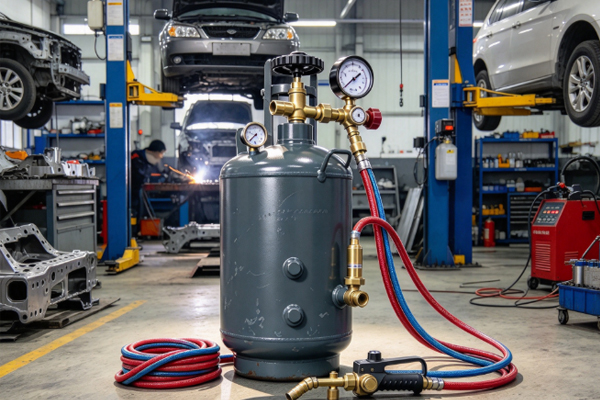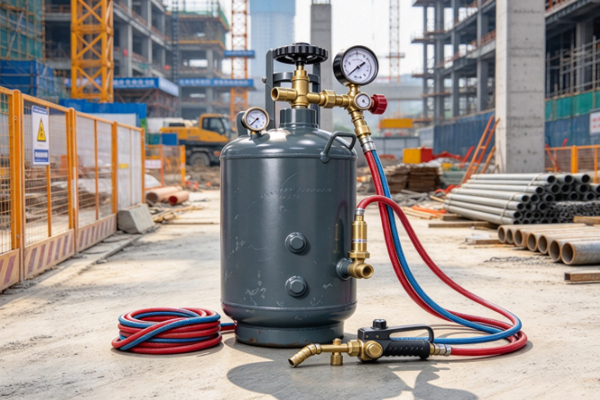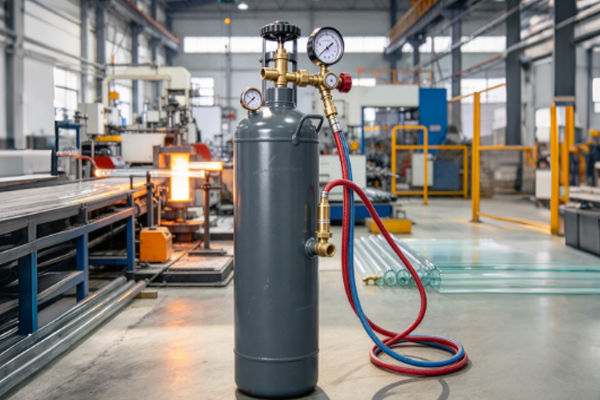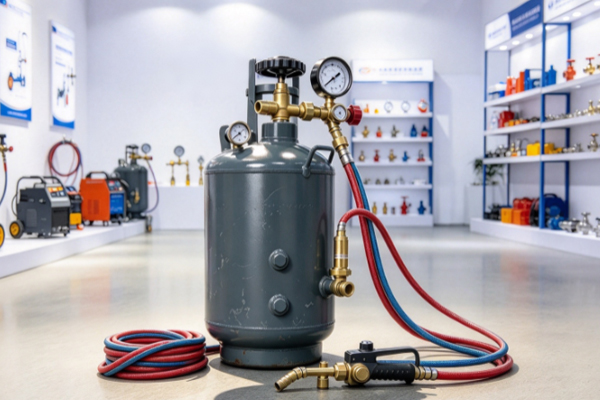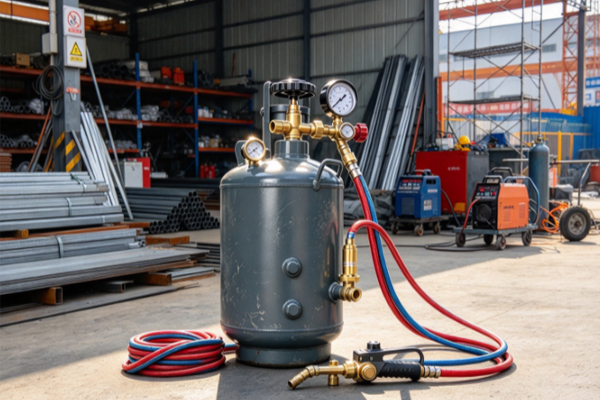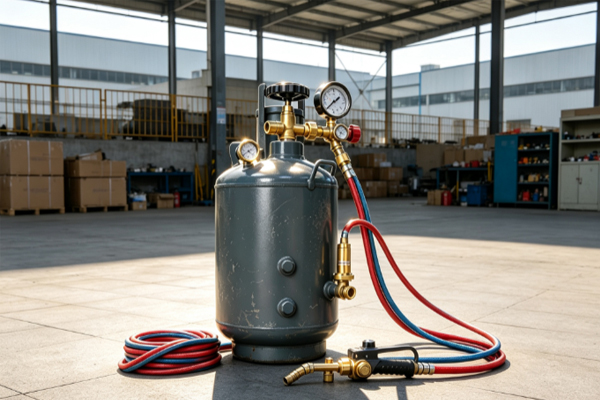
In the fields of industrial welding, cutting, and metal processing, acetylene storage tanks are important gas storage equipment. Their size selection not only affects gas supply efficiency but also influences equipment installation, safety management, and long-term operating costs. Many companies ask an important question when purchasing equipment: What are the national standards for acetylene storage tank sizes? In reality, acetylene storage tank sizes are not determined by a single fixed value. Instead, they are selected based on storage capacity, application requirements, pressure conditions, and relevant safety regulations. Understanding standard requirements and selection principles helps companies avoid equipment mismatches and improve safety and stability during acetylene usage.
Acetylene Storage Tank Sizes Do Not Have a Single Fixed Standard
Many users believe that acetylene storage tanks should have one unified standard size. However, in practical applications, tank specifications vary depending on different purposes and production requirements. National standards mainly focus on safety performance, manufacturing requirements, and operating regulations rather than requiring all tanks to have identical dimensions:
- Different acetylene storage tank capacities are designed to meet various industrial application needs
- Small tanks are mainly used for maintenance, welding, and flexible operations
- Large tanks or gas storage systems are mainly used for continuous production environments
- Tank designs must comply with relevant pressure vessel and safety protection requirements
Therefore, when selecting acetylene storage tank sizes, companies should focus on whether the equipment meets applicable standards rather than searching for a single fixed dimension.
Standard Requirements for Selecting Acetylene Storage Tank Sizes
Because acetylene is a flammable gas, it requires strict safety control during storage and operation. The design, manufacturing, and application of acetylene storage tanks must comply with relevant regulations and technical requirements to ensure safe operation:
- Pressure safety requirements: Tanks must have sufficient pressure resistance to ensure long-term stability
- Material and manufacturing requirements: Materials must meet requirements for pressure resistance, corrosion resistance, and safe operation
- Inspection and quality requirements: Equipment must undergo proper testing after manufacturing to ensure reliable performance
- Operation and management requirements: Installation, transportation, and maintenance must follow safety procedures
These requirements determine that acetylene storage tank sizes cannot be designed arbitrarily and must be configured according to actual application conditions.
Common Application Ranges of Different Acetylene Storage Tank Sizes
Although national standards do not specify one fixed tank dimension, the market has developed a relatively mature range of specifications based on different application needs. Different sizes generally correspond to different usage scenarios:
- Small-capacity acetylene storage tanks: Suitable for small repairs, on-site welding, and low-frequency operations, offering excellent flexibility
- Medium-capacity tanks: Suitable for general processing companies and welding workshops requiring more stable production support
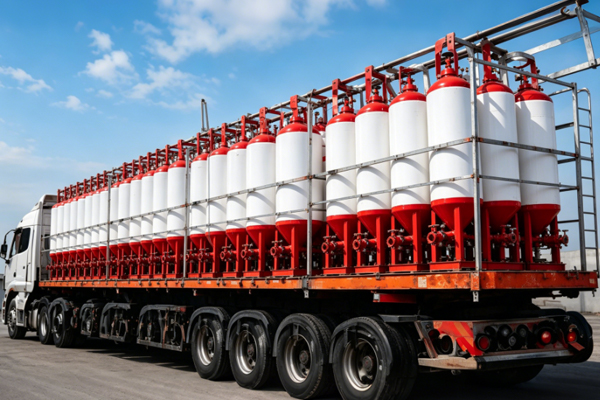
- Large-capacity tank systems: Mainly used in large manufacturing enterprises requiring continuous gas supply
Companies should select tank specifications based on actual gas consumption, equipment quantity, and production schedules rather than simply choosing the largest capacity.
Main Factors Affecting Acetylene Storage Tank Size Selection
During the purchasing process, companies need to evaluate multiple factors to determine the most suitable acetylene storage tank size. Different factories have different production methods, and even businesses in the same industry may require different specifications:
- Daily acetylene consumption: Higher gas usage requires stronger storage capacity
- Continuous production time: Long operating periods require larger storage capacity
- Number of equipment units: Multiple welding or cutting machines operating simultaneously require greater supply capability
- Installation space: Factory layout and available area affect tank size selection
- Transportation conditions: Equipment transportation, handling, and on-site installation convenience must be considered
A comprehensive evaluation of these factors helps companies select tank specifications that better match their actual requirements.
How to Properly Select Standard-Compliant Acetylene Storage Tank Sizes?
When selecting acetylene storage tank sizes, companies should avoid focusing only on capacity and instead evaluate safety, suitability, and long-term usage requirements. Proper selection not only meets current production needs but also reduces future replacement costs:
- Determine tank capacity based on actual gas consumption requirements
- Select reliable products that meet relevant national safety requirements
- Choose suitable installation methods and tank dimensions according to the working environment
- Reserve expansion capacity based on future production growth plans
- Work with manufacturers that have professional production experience
Scientific selection of acetylene storage tank sizes helps companies achieve stable gas supply while improving equipment efficiency and safety levels.
National standards for acetylene storage tank sizes do not simply define one fixed specification. Instead, they regulate equipment through manufacturing standards, safety requirements, and application conditions. When selecting tanks, companies should consider their production needs, installation environment, and safety requirements to choose compliant and suitable equipment. Zhongcheng Gas Cylinde provides acetylene storage tank solutions in various specifications to help customers achieve safe and efficient gas supply for different industrial applications.