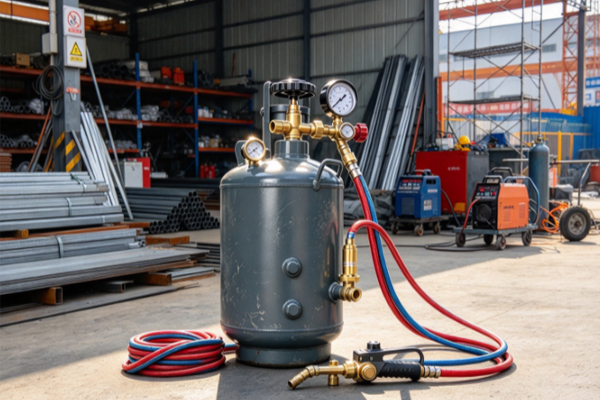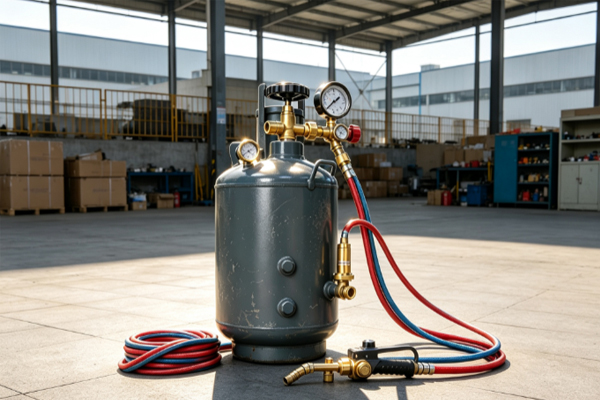
In industrial welding, cutting, and metal processing applications, selecting the right acetylene storage tank size directly affects gas supply stability, equipment utilization, and production safety. Many companies focus only on storage capacity when purchasing tanks while overlooking key factors such as actual gas consumption, operating hours, and equipment quantity. In reality, acetylene storage tank size should not be selected based only on experience but should be evaluated according to practical working conditions and calculation methods. Understanding the basic calculation principles helps companies avoid insufficient gas supply caused by undersized tanks while preventing unnecessary investment caused by oversized equipment, achieving a more economical and efficient gas supply solution.
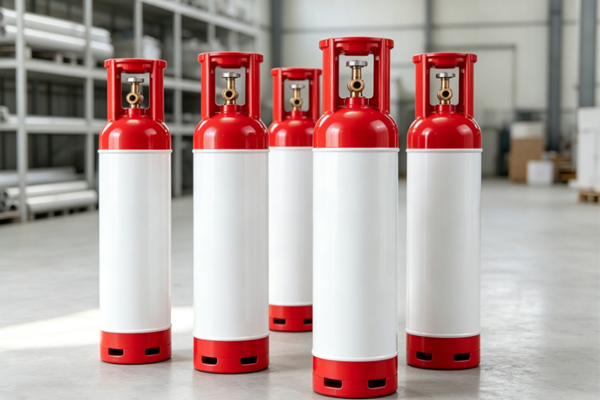
Basic Parameters Required for Acetylene Storage Tank Size Calculation
Before calculating acetylene storage tank size, companies need to understand their actual operating conditions. Since acetylene consumption varies significantly between different production environments, accurate data collection is essential for selecting the appropriate tank capacity:
- Daily acetylene consumption: Calculate the amount of acetylene used for welding, cutting, and other processes each day
- Number of operating equipment: More welding torches or cutting machines operating simultaneously require greater storage capacity
- Continuous working hours: Long-duration production requires larger storage capacity to maintain stable supply
- Peak gas demand: Maximum gas consumption during high-production periods should also be considered
These basic parameters provide the foundation for calculating acetylene storage tank size and help companies select equipment more accurately.
Common Calculation Methods and Formulas for Acetylene Storage Tank Size
During actual equipment selection, acetylene storage tank size is usually calculated based on gas demand. Although application conditions vary among companies, the basic calculation principle remains similar:
Storage Tank Capacity Formula:Required tank capacity = Gas consumption per unit time × Continuous supply time × Safety reserve factor
Where:
- Gas consumption per unit time refers to the amount of acetylene required per hour or per day
- Continuous supply time represents how long the tank needs to provide gas without interruption
- Safety reserve factor is used to handle production fluctuations and unexpected increases in gas demand
For example, if a company has a certain daily acetylene consumption requirement and needs continuous gas supply for several hours, the required storage capacity can be calculated based on actual usage and then matched with the closest available tank specification.
Factors Affecting Acetylene Storage Tank Size Calculation Results
In real production environments, the calculated theoretical capacity should not be used as the final selection standard without adjustment. Actual operating conditions must also be considered to ensure reliable performance:
- Production load changes: Increased orders or changing production schedules may cause fluctuations in acetylene consumption
- Equipment operating efficiency: Different equipment types may have different actual gas utilization rates
- Working environment conditions: Temperature, installation method, and gas supply distance may affect performance
- Future expansion needs: Increased production capacity may lead to higher gas demand in the future
Therefore, when calculating acetylene storage tank size, a certain capacity margin should be reserved to ensure long-term stable operation.
Common Mistakes in Acetylene Storage Tank Size Calculation
Some companies rely on simple estimates or copy the configurations used by other factories when selecting acetylene storage tanks, while ignoring their own actual requirements. This approach may prevent the equipment from achieving optimal performance:
- Calculating only based on average gas consumption while ignoring peak demand
- Choosing excessive capacity, increasing equipment investment and maintenance costs
- Failing to consider future production changes, resulting in frequent equipment replacement
- Ignoring installation space, causing poor site layout
A proper calculation method should consider both current production requirements and future development plans rather than simply comparing tank sizes.
How to Select the Right Acetylene Storage Tank Size Based on Calculation Results?
After completing the basic calculation, companies still need to select suitable tank specifications according to their actual application environment. Calculation results provide a reference, but the final solution should consider safety, cost efficiency, and operational convenience:
- Select a standard tank model close to the calculated capacity requirement
- Add appropriate storage margin according to production continuity requirements
- Determine installation dimensions based on available site space
- Choose suitable tank structures according to transportation and maintenance conditions
- Consider future production growth when planning the configuration
Proper selection of acetylene storage tank size improves gas supply stability, reduces production interruptions, and lowers long-term operating costs.
Acetylene storage tank size calculation is not simply about storage capacity. It requires comprehensive analysis of gas consumption, equipment quantity, working hours, safety margins, and future development requirements. Through scientific calculation and proper selection, companies can achieve a safer, more stable, and more efficient gas supply solution. Zhongcheng Gas Cylinde provides acetylene storage tank solutions in various specifications to help industrial users select storage equipment that best meets their specific needs.