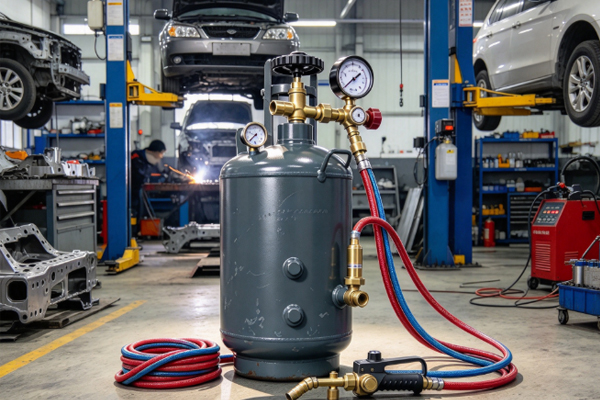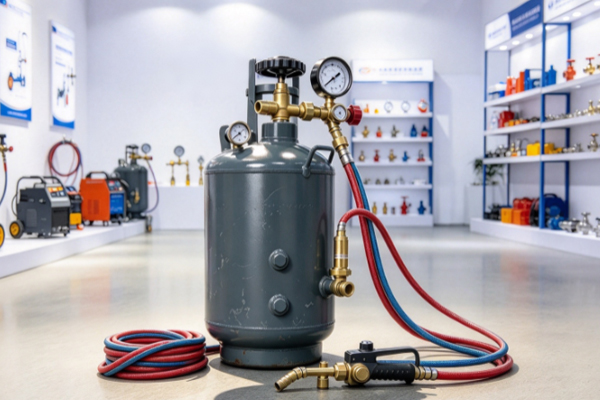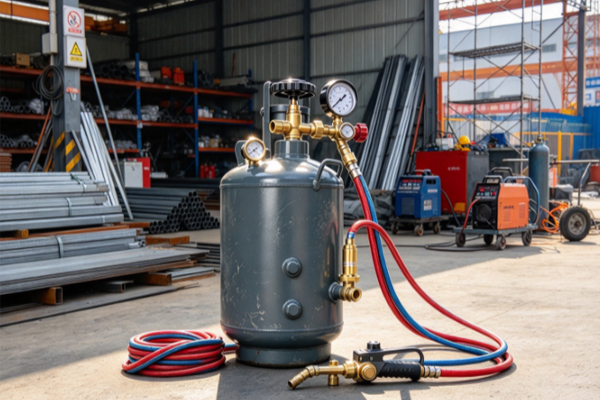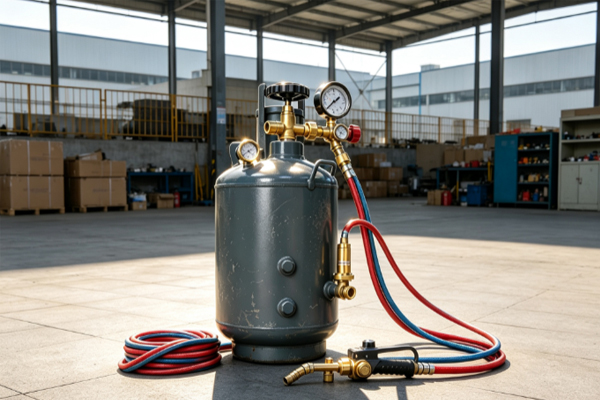
In industrial production, welding projects, and equipment maintenance, acetylene storage tanks must not only provide a stable gas supply but also meet practical requirements for transportation, handling, and on-site installation. Many companies focus mainly on storage capacity and operating efficiency when selecting equipment while overlooking the relationship between acetylene storage tank size and transportation conditions. In fact, tank size directly affects transportation methods, installation difficulty, usage flexibility, and overall operating costs. Choosing the right tank specification based on transportation requirements can improve equipment convenience while ensuring safer and more efficient delivery and deployment.
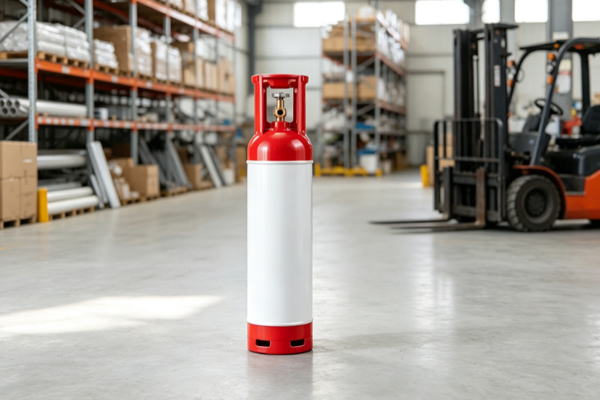
Acetylene Storage Tank Size Directly Affects Transportation Methods
Different acetylene storage tank sizes require different transportation methods. Small tanks are usually more flexible, while larger tanks require more specialized transportation conditions. When purchasing equipment, companies need to consider transportation routes, vehicle capabilities, and final application locations in advance:
- Small-sized tanks are lighter, suitable for standard transportation methods, and easier for manual handling or short-distance movement
- Medium-sized tanks require suitable vehicles based on quantity and weight and are commonly used for fixed delivery scenarios
- Large tanks have greater volume and weight, requiring professional transportation equipment and advance route planning
Therefore, acetylene storage tank size not only affects storage capacity but also determines how the equipment is transported from the manufacturer to the application site.
Different Applications Require Different Transport-Friendly Acetylene Tank Sizes
When selecting acetylene storage tanks, companies should not consider only gas consumption. The actual working environment and transportation requirements are also important factors. Different locations have different requirements for equipment mobility and transportation convenience:
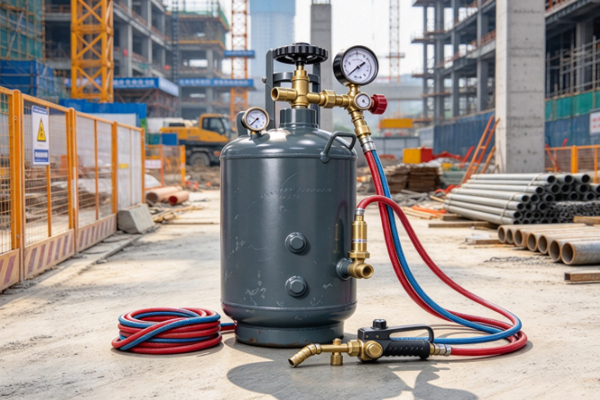
- Construction sites: Work locations often change, requiring tank sizes that are easy to transport and move on-site
- Small repair workshops: Limited space requires compact tanks that are easier to operate and install
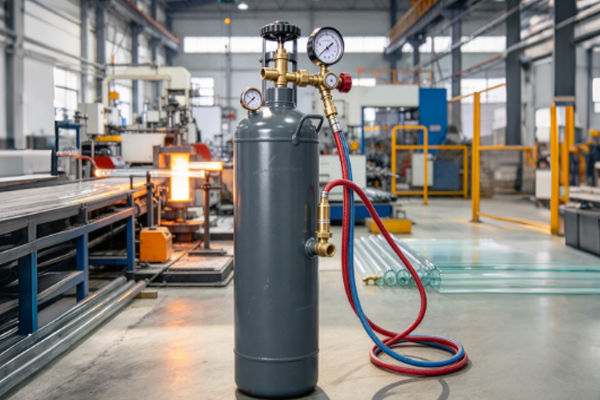
- Fixed factory production lines: Transportation frequency is lower, so storage capacity and continuous supply become more important
- Remote construction areas: Road conditions and equipment transfer difficulties must be considered
Selecting the right size according to the application environment helps reduce transportation challenges and improves deployment efficiency.
Acetylene Storage Tank Size Affects Handling and On-Site Installation
In addition to long-distance transportation, handling and installation after delivery are also affected by tank size. Although larger tanks provide greater storage capacity, they may increase installation and maintenance difficulties when site conditions are limited:
- Small tanks are easier to move and reposition on-site
- Medium-sized tanks require proper installation planning to ensure sufficient operating space
- Large tanks usually require fixed installation areas and corresponding safety facilities
- Adequate space must be reserved around tanks for inspection, maintenance, and operation
Proper size selection allows the equipment to better adapt to the working environment and prevents space limitations from affecting normal operation.
Importance of Choosing the Right Acetylene Storage Tank Size During Transportation
During actual transportation, acetylene storage tank size affects not only logistics costs but also transportation safety and management efficiency. If the selected specification does not match transportation conditions, additional costs and operational difficulties may occur:
- Oversized tanks increase transportation difficulty and logistics expenses
- Undersized tanks may require more frequent transportation, increasing long-term operating costs
- Improper configuration may affect continuous gas supply at the worksite
- The right size improves transportation efficiency and reduces equipment scheduling pressure
Companies should find a balance between gas demand and transportation conditions to select the most suitable tank specification.
How to Choose Acetylene Storage Tank Size Based on Transportation Requirements?
When determining acetylene storage tank size, companies should include transportation factors in the overall selection process rather than focusing only on capacity. Through comprehensive evaluation, businesses can choose a safer and more efficient storage solution:
- Select suitable tank sizes based on transportation distance and frequency to reduce unnecessary logistics costs
- Evaluate vehicle conditions and road environments to determine whether the tank size is suitable for transportation
- Choose equipment that is convenient for handling and maintenance according to the installation location
- Reserve adjustment flexibility based on future business expansion needs
Proper planning of acetylene storage tank size improves adaptability throughout transportation, installation, and operation, increasing overall efficiency.
The relationship between acetylene storage tank size and transportation conditions is closely connected. When selecting tanks, companies should consider gas demand, transportation methods, installation environments, and long-term usage plans together. The right tank size ensures stable gas supply while reducing transportation and maintenance costs and improving equipment efficiency. Zhongcheng Gas Cylinde provides acetylene storage tank solutions in various specifications to meet safe and reliable gas supply requirements for different transportation environments and industrial applications.