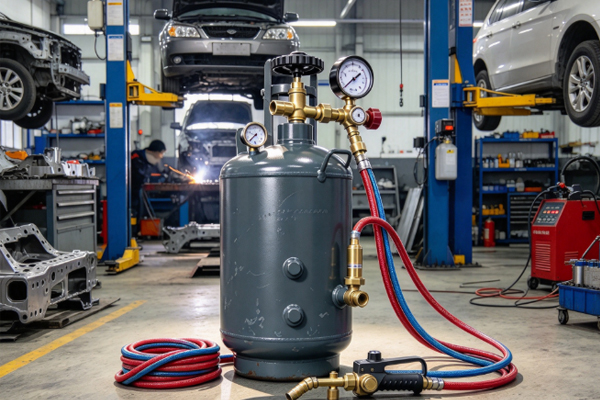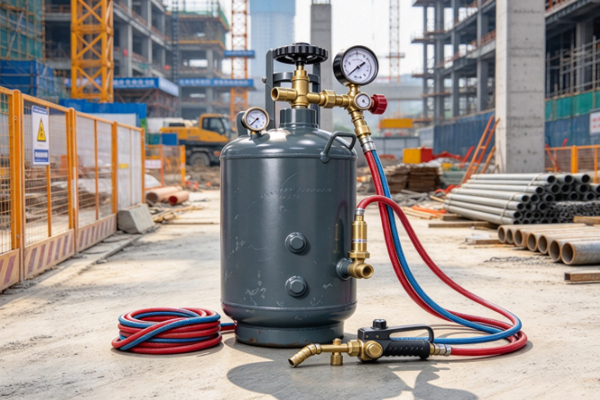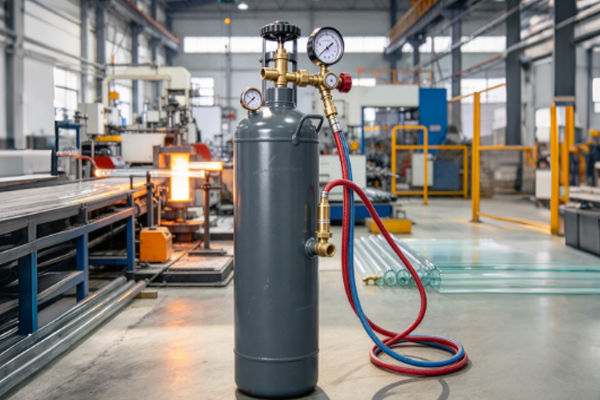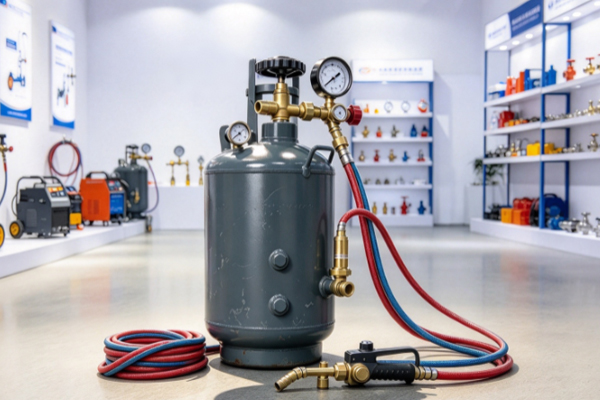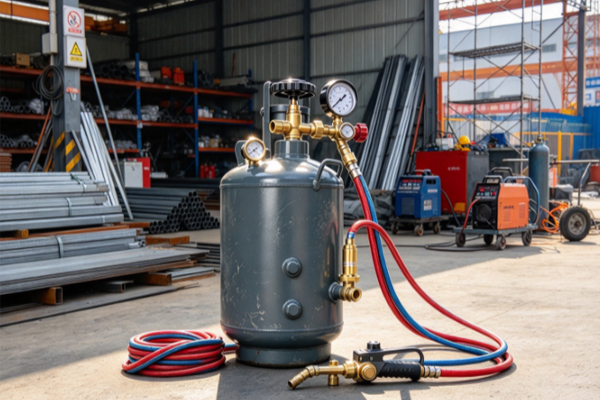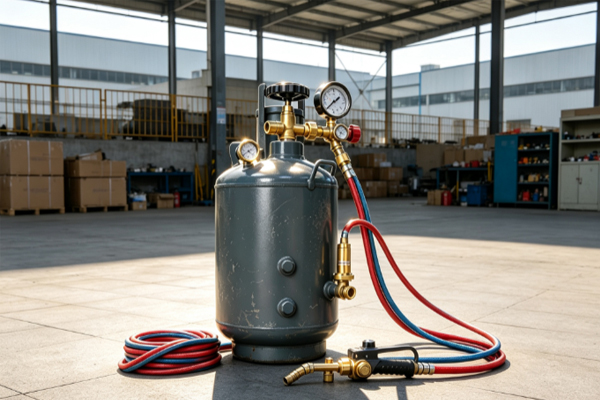
During long-term use, old acetylene gas cylinders may experience surface corrosion, aging welds, damaged accessories, and other issues. Therefore, some companies consider extending the service life of equipment through welding repair. Compared with directly purchasing new gas cylinders, repair and refurbishment may appear to reduce initial investment. However, the actual cost needs to be comprehensively evaluated based on the degree of cylinder damage, repair process requirements, and inspection standards.Acetylene gas cylinders are pressure storage equipment with high safety requirements. Not all types of damage are suitable for welding repair. If the problem is only minor appearance damage, repair costs may be relatively low. However, if the damage involves pressure-bearing structures, weld areas, or severe corrosion, the repair process becomes more complicated and costs increase significantly. Therefore, determining whether the welding repair cost of old acetylene gas cylinders is high requires analysis based on specific conditions.
Basic Situation of Welding Repair Costs for Old Acetylene Gas Cylinders
Repair Costs Depend on the Degree of Damage
The welding repair cost of old acetylene gas cylinders is not a fixed price and mainly depends on the current condition of the cylinder. If the cylinder only has surface paint peeling, minor rust, or aging accessories, the repair process is relatively simple. Usually, it only requires surface treatment, replacement of parts, and re-inspection.However, if the cylinder has weld cracks, body deformation, or severe corrosion, stricter inspection and repair procedures are required. Repair personnel must first determine whether the damaged area affects pressure-bearing capacity before deciding whether repair is possible. Since acetylene gas cylinders need to withstand certain pressure levels, repairs involving safety-related areas have higher requirements and cannot be treated as simple welding of ordinary steel containers. Therefore, repair costs are affected by inspection requirements, repair processes, and labor input.
Factors Affecting Welding Repair Costs of Old Acetylene Gas Cylinders
Cylinder Damage Level Affects Repair Price
The damage level of old acetylene gas cylinders is an important factor determining repair costs. Minor damage usually has lower repair difficulty. For example, surface rust, shell scratches, or damaged accessories can often be restored through cleaning, repainting, and replacement of parts. If the damaged area is located in the main load-bearing section of the cylinder body, repair difficulty increases significantly. Before welding, inspections are required to confirm whether the material condition meets repair requirements. At the same time, welding temperature changes must be controlled to prevent new safety issues. For cylinders that have already aged severely, even if repair costs can be controlled, their remaining service life must also be considered. If repair investment approaches the price of a new cylinder, the economic value of continued repair becomes lower.
Welding Process Requirements Affect Costs
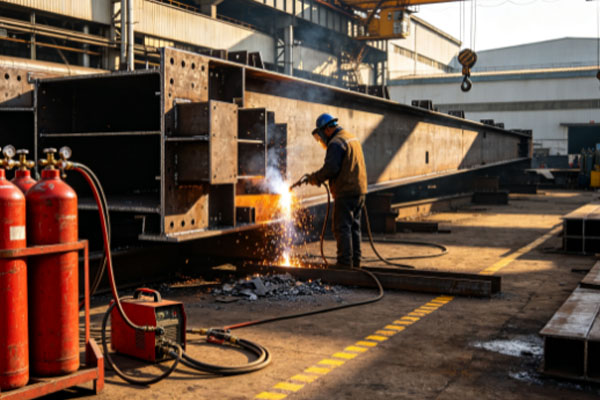
Welding repair of old acetylene gas cylinders is not ordinary welding work. Suitable processes must be selected according to the cylinder material and structural characteristics. Repair personnel need relevant experience to ensure that repaired welding areas meet safety requirements. During the repair process, procedures may include removal of old weld defects, defect elimination, rewelding, and post-welding inspection. Each additional process increases labor time and equipment usage costs. Although stricter welding procedures increase repair expenses, they can improve repair quality.
Inspection Costs Increase Repair Expenses
After welding repair is completed, old acetylene gas cylinders usually require relevant inspections to confirm whether they meet continued usage requirements. Inspection items may include appearance inspection, airtightness testing, and pressure-related tests. Inspection costs are an important part of repair expenses because repaired cylinders must be confirmed to have no leakage risks or insufficient strength. The stricter the inspection requirements, the more time and cost are required. Some old cylinders also need inspection before repair. If serious internal corrosion or reduced material performance is discovered, further repair may not be possible. These inspection costs also need to be considered in advance.
Replacement Accessories Affect Overall Costs
In addition to cylinder body problems, old acetylene gas cylinders may also have aging valves, protective caps, connecting components, and other parts. If these accessories need to be replaced during repair, overall costs will increase. Some cylinders that have been used for a long time may have outdated models of accessories that are difficult to match, requiring alternative components or special processing, which increases procurement time and repair duration. Therefore, when evaluating welding repair costs, companies should not only calculate welding expenses but also include related accessory replacement costs in the budget.
How to Control Repair Costs of Old Acetylene Gas Cylinders?
Whether an old acetylene gas cylinder is worth repairing depends on equipment condition and usage requirements. Proper evaluation can avoid excessive investment while ensuring equipment safety. Conduct a comprehensive inspection before repair. Understand the damaged areas and actual condition of the cylinder to avoid unnecessary costs caused by blind repairs.
Choose professional repair organizations:
Repair personnel with relevant experience can more accurately determine repair solutions and reduce rework.
Compare repair and replacement costs:
If repair costs are close to the purchase price of a new gas cylinder, replacement may be a more reasonable choice.
Carry out proper follow-up maintenance management:
Regular inspections and correct operation can reduce the possibility of repeated damage.
Through reasonable evaluation of repair value, companies can better determine whether old gas cylinders are worth further repair investment.
Frequently Asked Questions
Are Welding Repair Costs for Old Acetylene Gas Cylinders Usually High?
Repair costs depend on the damage condition of the cylinder. If only simple treatment is required, costs are relatively low. If repairs involve cylinder structural issues and strict inspections, expenses will increase significantly. The focus of acetylene gas cylinder repair is not simply reducing costs but completing repairs while ensuring safety.
Can All Old Acetylene Gas Cylinders Be Repaired by Welding?
No. Not all old gas cylinders are suitable for repair. If cylinders have severe corrosion, obvious deformation, or reduced material performance, they may not be suitable for continued repair and use. Professional inspection is required before repair, and decisions should be made based on actual conditions.
Is Repairing Old Gas Cylinders or Purchasing New Ones More Cost-Effective?
If an old gas cylinder has minor damage and still has a long remaining service value after repair, repair may be more economical. If the equipment is seriously aged and repair costs are high, purchasing a new gas cylinder may be more appropriate. Companies need to make decisions based on equipment condition, usage frequency, and long-term costs.
The welding repair cost of old acetylene gas cylinders is affected by multiple factors, including damage level, welding processes, inspection requirements, and accessory replacement conditions. Minor problems usually have lower repair costs, while issues involving pressure-bearing structures can significantly increase expenses. Before deciding whether to repair, the cylinder should undergo a comprehensive inspection to understand its actual condition. If attention is only paid to repair prices while ignoring safety inspections and future usage conditions, the investment may not match the actual value.
Repairing old acetylene gas cylinders is not simply about saving procurement costs but about finding a reasonable balance between safety and cost. Properly maintained old cylinders can continue providing usage value after standardized repair and inspection, while severely aged equipment is not suitable for excessive repair investment. Therefore, when evaluating welding repair costs, companies should consider repair expenses, equipment service life, safety requirements, and actual usage needs together. Reasonably determining whether a gas cylinder is worth repairing can help companies reduce unnecessary expenses while ensuring a more stable and safer production process.