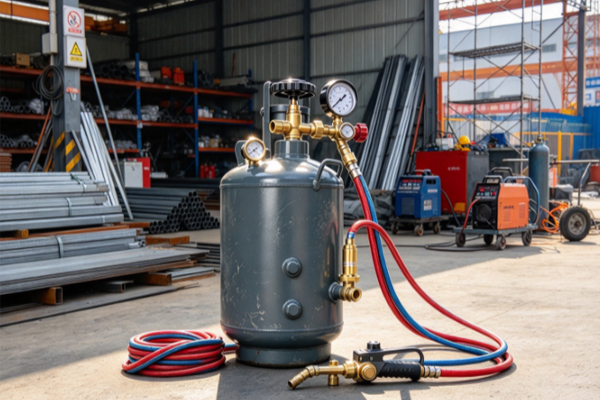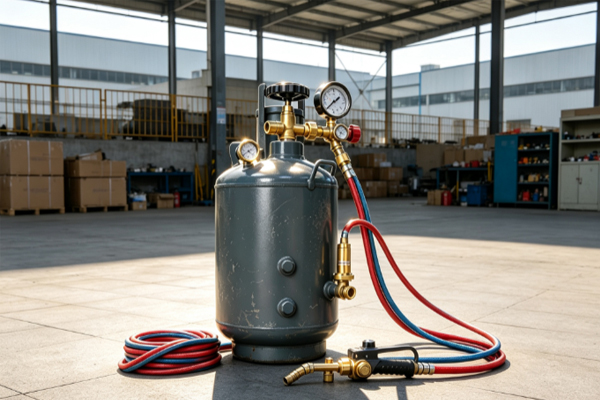
Acetylene tank gas supply systems are widely used in industrial scenarios such as welding, cutting, and maintenance. Whether the flame is stable and the pressure remains smooth often directly determines work efficiency and processing quality. When issues such as flickering flames, pressure fluctuations, or intermittent gas supply appear on site, many people immediately assume the problem lies in the installation stage. Installation quality does affect system performance, but unstable gas supply is not only related to installation. Equipment selection, accessory condition, maintenance frequency, and operating habits all play a role. To truly identify the cause, it is not enough to focus on a single point. The entire system must be inspected step by step so that repeated disassembly and ineffective repairs can be reduced, allowing the acetylene system to return to stable operation as soon as possible.
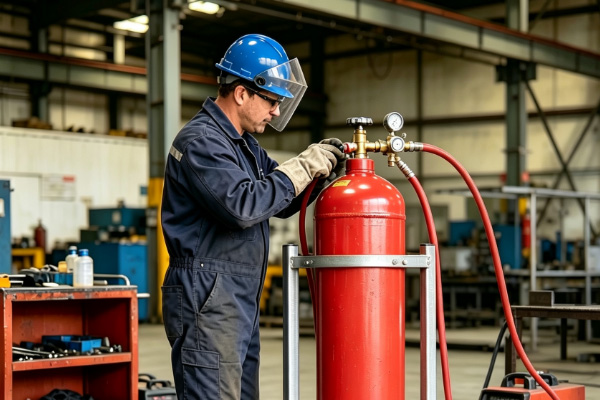
Installation Problems Can Indeed Cause Gas Supply Fluctuations
Although the installation stage may seem simple, it actually determines the foundation for the system’s future operation.
Improper Pipeline Connections
The connection stage is a very critical step in acetylene tank installation. Even one interface that is not handled properly may gradually develop into a gas supply fluctuation problem during later use.
- When the interface is not sealed tightly, gas may leak slightly during transmission. Although it may not be obvious at the beginning, prolonged operation can easily lead to unstable pressure and flame changes.
- Excessive bending of hoses or unreasonable routing increases gas flow resistance, reduces supply efficiency, and in severe cases affects continuous operation.
- When pipelines are not firmly fixed, vibration during equipment operation may gradually loosen the connection points, eventually causing intermittent gas supply abnormalities.
Proper construction lays a solid foundation for stable gas supply and also makes future maintenance and inspection easier.
Deviations in Accessory Installation
Safety accessories and pressure-regulating accessories in an acetylene system are not simply installed and forgotten. Their installation position, direction, and model compatibility all affect overall performance.
- If the flashback arrestor is installed in the wrong direction, not only will its protective function be compromised, but the system may also lose its safety barrier under abnormal operating conditions.
- When the pressure regulator does not match the actual working conditions, it becomes difficult to maintain stable output pressure, and the flame may fluctuate noticeably during operation.
- If the pressure gauge is installed in a position that is difficult to observe, or if the readings are unclear, operators may struggle to judge the system status in time and miss the adjustment window.
When accessories are properly configured and installed, the system usually runs more smoothly and on-site operation becomes more manageable.
Unstable Gas Supply Is Not Caused by Installation Alone
After the equipment has been running for a period of time, many fluctuation problems gradually emerge from daily use.
Aging Components Affect Output
After long-term use, some parts of the acetylene tank system gradually enter an aging stage. This change is often not sudden, but accumulates slowly during daily operation.
- As sealing rings are used over time, they gradually lose elasticity. Areas that once fit tightly may develop tiny gaps, affecting the stability of gas output.
- After frequent opening and closing, valves lose flexibility. When switching becomes less smooth, the gas supply rhythm is more likely to become uneven.
- If gas hoses become worn, hardened, or cracked due to aging, the gas transmission process becomes unstable and may even create additional safety risks.
Timely replacement of wear parts not only restores system stability but also reduces the chance of further fault escalation.
Inadequate Routine Maintenance
Many gas supply problems do not exist on the day of installation. They gradually form under long-term lack of maintenance. By the time obvious abnormalities appear on site, the issue has often accumulated for some time.
- If impurities accumulate inside the pipeline for a long period, gas flow will be affected and pressure changes will become more noticeable.
- If the pressure regulating device is not calibrated for a long time, output parameters may gradually deviate from the normal range, resulting in unstable gas supply performance.
- When safety accessories are not cleaned or maintained, component movement becomes sluggish and protective performance declines accordingly.
Developing good maintenance habits can effectively reduce operating fluctuations and keep the equipment in a more production-friendly condition.
Improper Operating Methods
Even if the equipment is properly installed and the components are in good condition, improper operation can still cause fluctuations in gas supply performance. This is actually quite common on site.
- Opening the valve too quickly causes sharp internal pressure changes, which can make the flame unstable in a short period of time.
- Long-term continuous operation under overload keeps the gas supply system under high-intensity working conditions, making pressure and flow more likely to deviate.
- Improper pressure adjustment may allow the equipment to keep running, but the actual output often fails to reach the ideal state, affecting work quality.
Standardized operation not only improves system reliability but also helps the equipment maintain stable performance over a longer period.
How to Determine the Source of the Problem?
When troubleshooting unstable gas supply, the clearer the logic, the easier it is to find the real cause quickly.
Review When the Abnormality Appeared
One of the most direct ways to determine whether unstable gas supply is caused by installation errors is to review when the abnormality first appeared. This helps narrow the scope of inspection. If the equipment began fluctuating shortly after installation, priority should be given to the installation stage, including pipeline connections, accessory orientation, sealing condition, and pressure regulation settings. If the equipment operated normally at first and only later began to show abnormalities, the cause is more likely related to component aging, insufficient maintenance, or changes in operation. Analyzing the problem through a timeline is often more efficient than blind disassembly and inspection, and it is easier to identify the real root cause.
Inspect the System in Sections
To accurately determine the source of the problem, it is not enough to look at surface symptoms. The system should be divided into several parts and observed step by step so that abnormal points can be identified more quickly.
- Check whether all interfaces are secure and sealed, and whether there is looseness, leakage, or uneven connection.
- Observe whether the pressure gauge readings are stable and confirm whether pressure changes match normal operating conditions or show obvious jumps.
- Examine the flame condition and gas supply continuity to determine whether combustion performance is stable or fluctuates between strong and weak.
Step-by-step inspection is usually more efficient than blindly replacing parts, and it also helps avoid repeated investment and unnecessary downtime.
Effective Ways to Improve Gas Supply Stability
If you want an acetylene tank system to remain stable over the long term, installation, maintenance, and management must all keep pace.
Strictly Follow Installation Standards
If you want the acetylene tank system to remain stable during later use, the installation stage must establish a solid foundation rather than simply aiming for “installed and usable.” Professional installation and acceptance inspection can reduce inherent risks and ensure that pipeline layout, accessory configuration, and connection quality better meet actual usage requirements. After installation, a complete inspection should be carried out to confirm that pressure, sealing, and accessory conditions are all normal. This usually makes later operation more worry-free and less prone to repeated fluctuations.
Establish a Regular Maintenance System
A gas supply system does not remain trouble-free simply because it has been installed. Only by incorporating maintenance into daily management can the equipment maintain a good operating condition.
- Inspect sealing components on a regular schedule to detect aging, deformation, or failure in time.
- Clean valves and pipelines to reduce the impact of impurity buildup on gas flow.
- Replace aging accessories promptly to prevent small issues from turning into major faults.
The more detailed the maintenance, the higher the system stability is usually, and the better the production site can be protected.
Strengthen Personnel Training
No matter how good the equipment is, if operators are unfamiliar with the procedures, it is difficult to maintain ideal gas supply stability over the long term. Standardizing operating procedures, clarifying startup and shutdown sequences, and regulating pressure adjustment methods can significantly reduce fluctuations caused by human factors. Trained personnel are also more likely to make correct judgments when abnormalities occur, avoiding escalation caused by misoperation. For factories, personnel training is not only a management measure but also an effective way to improve equipment stability.
Unstable acetylene tank gas supply does not necessarily mean the installation was wrong. Installation, maintenance, component condition, and operating methods all affect system performance. Through scientific troubleshooting and standardized management, the root cause can be found more quickly and stable gas supply can be restored, providing reliable support for continuous enterprise production. Regular inspections and timely replacement of wear parts can also effectively reduce fluctuation problems. For factories that require long-term continuous operation, establishing a standardized management process is especially important. Zhongcheng Gas Tank provides professional acetylene gas supply solutions and technical support to help enterprises achieve safe, efficient, and stable gas usage.