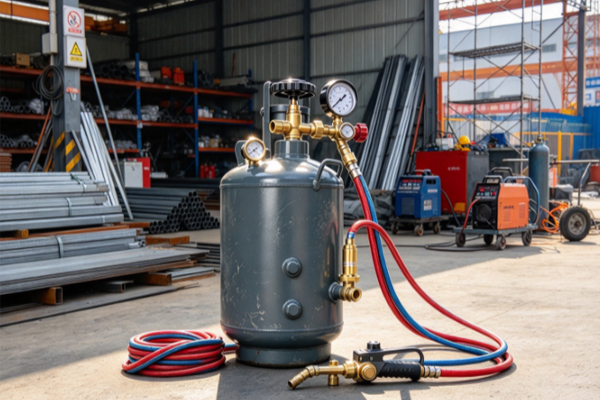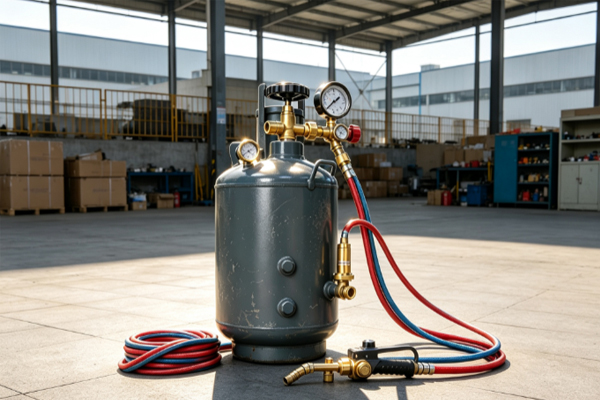
Acetylene cylinders are widely used in welding, flame cutting, machinery manufacturing, structural steel fabrication, construction, and many other industrial applications. Transportation is an essential part of the cylinder’s service life, whether moving it from a filling facility to a job site or transferring it between different work locations. Every stage of transportation should follow established safety practices. Improper securing, careless loading and unloading, or unsuitable transportation conditions may damage the cylinder body, valves, or accessories and reduce operational reliability. A standardized transportation procedure helps protect the cylinder, minimizes transportation risks, and ensures a dependable gas supply for future welding and cutting operations.
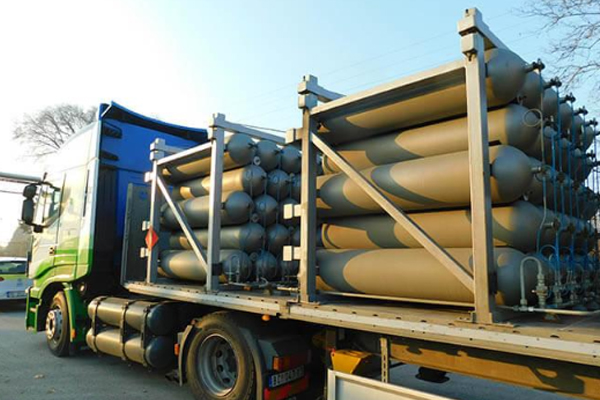
The Basic Principles of Safe Acetylene Cylinder Transportation
Acetylene cylinders use dissolved acetylene storage technology, with porous filler material and acetone inside the cylinder to stabilize the gas. During transportation, cylinders are exposed to vibration, braking forces, turns, and uneven road conditions. Improper handling may place excessive stress on the cylinder valve, damage the cylinder body, or affect connected accessories.
Keeping the cylinder upright during transportation helps minimize movement of the internal storage materials while reducing stress on the valve and cylinder structure. Transport vehicles should also provide adequate ventilation and avoid prolonged exposure to excessive heat. Proper transportation management protects cylinder performance, extends service life, and reduces safety risks throughout the transportation process.
The Value of Proper Transportation Practices
Following standardized transportation procedures helps protect not only the cylinder itself but also important accessories such as valves, protective caps, pressure regulators, and fittings. Maintaining these components in good condition reduces maintenance costs and supports reliable equipment performance after transportation.
For companies that frequently move cylinders between facilities or construction sites, standardized transportation procedures improve equipment management and reduce human error. Transportation records, routine inspections, and proper securing methods contribute to efficient cylinder utilization while supporting continuous welding, cutting, and metal fabrication operations.
Important Precautions During Acetylene Cylinder Transportation
Safe transportation depends on both suitable equipment and correct operating procedures. Every stage of transportation influences the future condition of the cylinder, making careful handling essential.
The following practices are recommended:
- Keep cylinders upright and securely fastened:Use approved cylinder racks, straps, or restraints to prevent cylinders from tipping, rolling, or shifting during transportation.
- Install the protective cap:Confirm that the valve protection cap is securely installed before transportation to protect the cylinder valve from accidental impact.
- Avoid excessive heat exposure:Do not leave transport vehicles parked under direct sunlight for extended periods, and maintain good ventilation whenever possible.
- Do not transport with incompatible hazardous materials:Acetylene cylinders should not be transported together with flammable liquids, corrosive substances, or other incompatible dangerous goods. Transportation should comply with applicable regulations regarding gas cylinder separation.
- Handle cylinders carefully during loading and unloading:Use appropriate lifting or handling equipment, and never throw, drag, roll, or subject cylinders to severe impacts.
Following these transportation practices helps protect both the cylinder and its accessories while ensuring safe and reliable performance after delivery.
Transportation Management in Different Working Environments
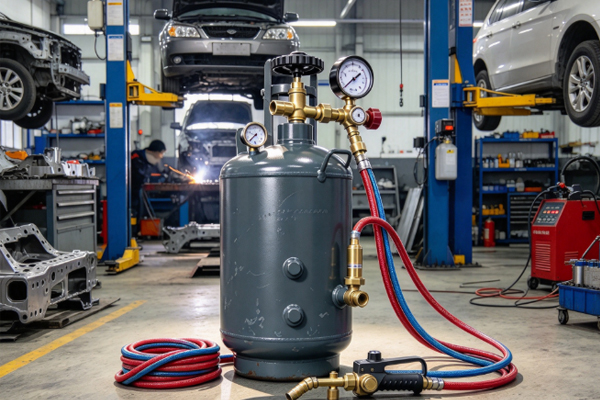
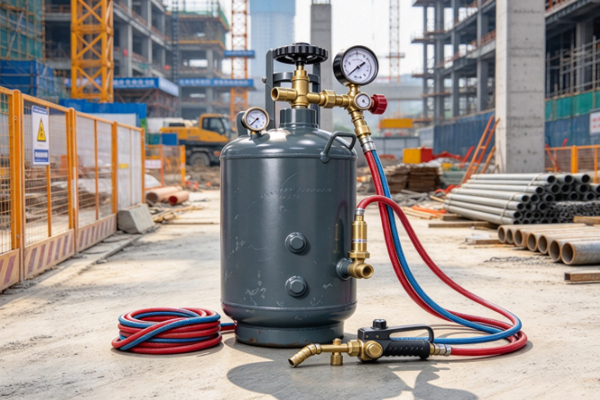
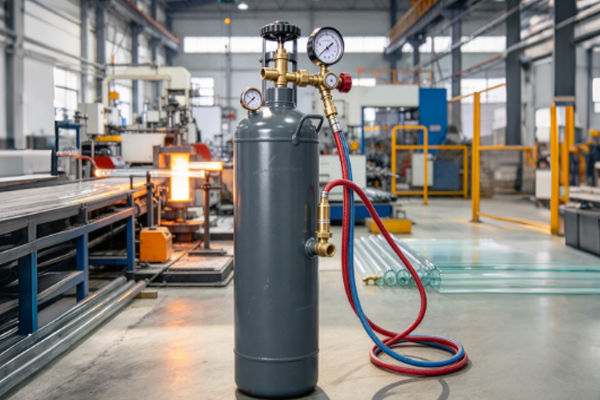
Transportation requirements vary depending on the industry and working environment. Construction sites often involve short transportation distances but uneven ground and heavy equipment movement, making careful cylinder protection especially important. Automotive repair facilities frequently transport cylinders within workshops using dedicated cylinder trolleys to reduce manual handling risks. Structural steel fabrication plants commonly move cylinders with forklifts or specialized transport vehicles, requiring secure fastening and smooth vehicle operation. Long-distance transportation requires additional route planning to minimize excessive vibration while ensuring compliance with transportation regulations, safety labeling requirements, and emergency preparedness throughout the journey.
Inspection Procedures After Transportation
After transportation is completed, acetylene cylinders should not be placed into service immediately. A thorough inspection should be performed to verify that the cylinder remains in safe operating condition before connecting it to the gas supply system. Routine post-transportation inspections help identify any damage that may have occurred during transit.
Recommended inspection procedures include:
- Inspect the cylinder body:Check for dents, cracks, impact damage, or any visible signs of structural deformation.
- Examine the cylinder valve:Verify that the valve opens and closes normally and shows no signs of looseness or gas leakage.
- Inspect accessories and connections:Confirm that the protective cap, regulator connection, and other accessories remain complete and undamaged.
- Remove transportation restraints correctly:Remove securing devices carefully after unloading to avoid damaging valves or accessories.
- Maintain transportation records:Record transportation dates, inspection results, and any corrective actions taken to support future equipment management.
By combining careful transportation procedures with thorough post-transportation inspections, acetylene cylinders can continue providing a stable, safe, and reliable gas supply for welding, cutting, and industrial manufacturing applications.