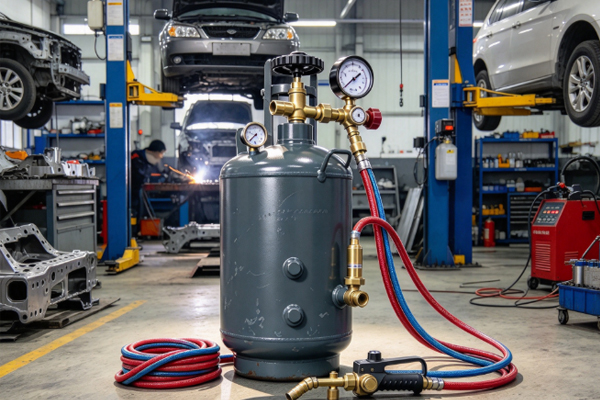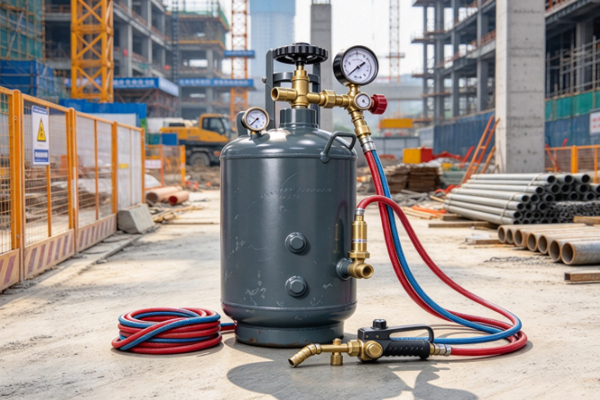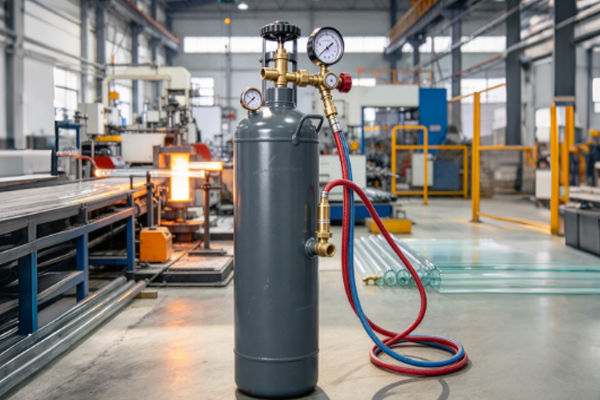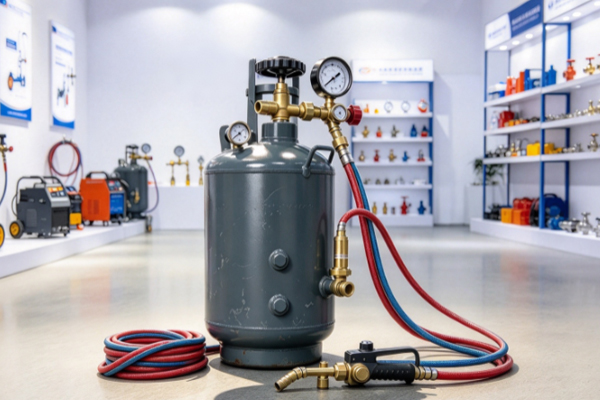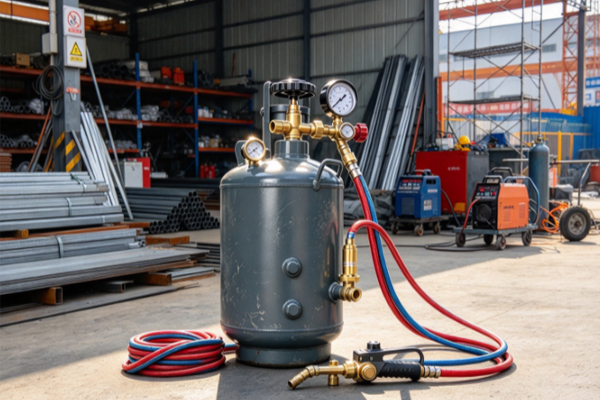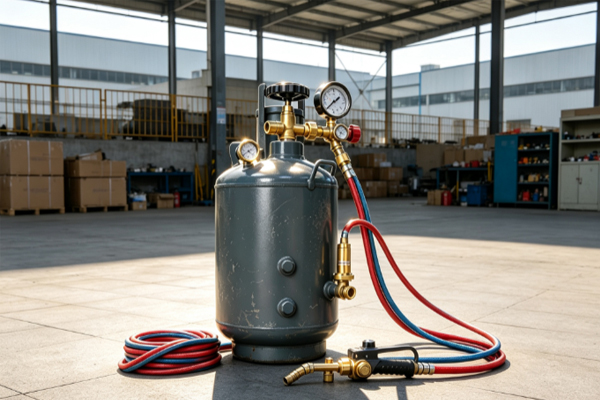
Acetylene cylinders are widely used in welding, flame cutting, structural steel fabrication, machinery manufacturing, equipment maintenance, and many other industrial applications. Many users want to know how long an acetylene cylinder can remain in service and which factors determine its service life. In reality, there is no single fixed lifespan for an acetylene cylinder. Its usable life depends on manufacturing quality, periodic inspections, daily maintenance, operating conditions, and compliance with applicable safety regulations. As long as the cylinder continues to pass required inspections and remains in good technical condition, it may continue to be used in accordance with local regulations. Understanding the factors that affect cylinder longevity helps improve equipment utilization while maintaining safe and reliable welding and cutting operations.
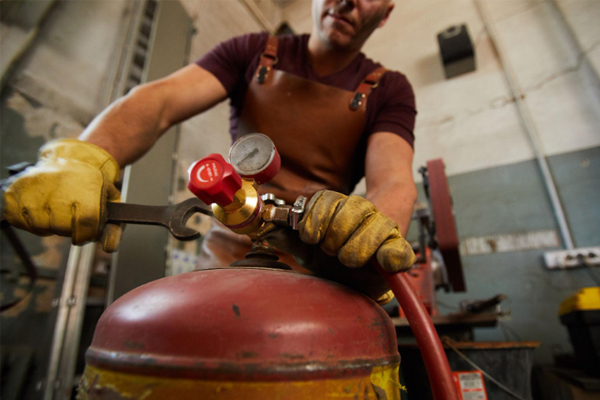
The Relationship Between Service Life and the Internal Structure of an Acetylene Cylinder
Unlike ordinary compressed gas cylinders, acetylene cylinders use dissolved acetylene storage technology. The cylinder contains porous filler material and acetone, allowing acetylene gas to remain safely dissolved inside the cylinder. This specialized internal structure improves storage safety while making regular inspection and maintenance essential throughout the cylinder’s service life.
During long-term use, the cylinder body may be affected by transportation impacts, environmental corrosion, frequent handling, and temperature changes. Components such as the cylinder valve, protective cap, and threaded connections may gradually wear over time. If these parts remain in good condition and the cylinder successfully passes periodic inspections, it may continue to be used. However, cylinders showing cracks, severe corrosion, significant deformation, or damage to the internal storage system should be removed from service according to applicable safety requirements. Monitoring the actual condition of the equipment is more important than considering its age alone.
Factors That Affect the Service Life of an Acetylene Cylinder
The service life of an acetylene cylinder depends not only on its manufacturing quality but also on daily management and operating conditions. Proper handling and maintenance help slow equipment aging and improve long-term reliability.
For example, prolonged exposure to high temperatures, moisture, or corrosive environments may accelerate cylinder deterioration. Damage caused by impacts or dropping the cylinder during transportation can also shorten its service life. Frequent overuse, improper storage, or neglecting accessory maintenance may further reduce equipment longevity. On the other hand, following recommended storage, transportation, inspection, and maintenance procedures helps keep acetylene cylinders in good working condition and allows them to remain in service as long as they continue to satisfy inspection requirements.
How to Extend the Service Life of an Acetylene Cylinder
The longevity of an acetylene cylinder is closely related to routine maintenance. Establishing standardized management procedures not only reduces equipment failures but also lowers unnecessary maintenance costs.
The following practices are recommended:
- Complete periodic inspections on schedule:Follow applicable regulations and inspection intervals to verify that the cylinder and its accessories remain suitable for continued service.
- Store cylinders correctly:Keep cylinders in an upright position, away from heat sources, moisture, and high-temperature environments while ensuring good ventilation.
- Avoid impacts and dropping:Use appropriate handling equipment during transportation to prevent structural damage caused by collisions or excessive vibration.
- Inspect accessories regularly:Check cylinder valves, pressure regulators, hoses, and fittings, replacing worn or damaged components when necessary.
- Operate the cylinder correctly:Follow standard operating procedures and avoid improper practices such as overheating, using the cylinder upside down, or operating outside recommended conditions.
Consistent maintenance and proper operating procedures help maximize the usable life of an acetylene cylinder while improving overall equipment reliability.
Service Characteristics in Different Industrial Applications
Acetylene cylinders are widely used in automotive repair, machinery manufacturing, structural steel fabrication, shipbuilding, construction, and metal cutting industries. Each application places different demands on cylinder management. Automotive repair facilities often move cylinders frequently, making careful handling important to prevent accidental damage. Steel fabrication plants typically use cylinders continuously for extended periods, requiring regular inspection of valves, pressure regulators, and gas supply systems. Construction sites expose cylinders to changing weather conditions, making protection from direct sunlight, rain, and tipping especially important. Shipbuilding facilities and heavy manufacturing plants usually implement comprehensive inspection programs that include routine maintenance, proper storage, and timely replacement of worn accessories, helping maintain long-term cylinder performance while supporting continuous production.
How to Determine When an Acetylene Cylinder Should Be Removed from Service
In addition to considering service life, it is important to recognize when an acetylene cylinder should no longer remain in operation. Routine inspections help identify potential hazards and improve workplace safety management.
The following conditions require special attention:
- Severe corrosion or visible cracks on the cylinder body:Cylinders showing structural damage should be removed from service immediately.
- Malfunctioning cylinder valve:Valves that cannot be opened or closed properly, or that show signs of leakage, should be repaired or replaced before further use.
- Expired inspection interval:Cylinders that have exceeded the required inspection period should not continue operating until they pass the necessary inspection.
- Damaged accessories:Pressure regulators, protective caps, hoses, and fittings with significant damage should be replaced before the cylinder returns to service.
- Uncertain safety condition:Cylinders with missing identification markings, unknown history, or questionable condition should be removed from service and evaluated according to applicable regulations.
By maintaining a comprehensive inspection program and addressing abnormal conditions promptly, acetylene cylinders can continue providing a stable and reliable gas supply for welding, cutting, and industrial manufacturing while maintaining high safety standards.