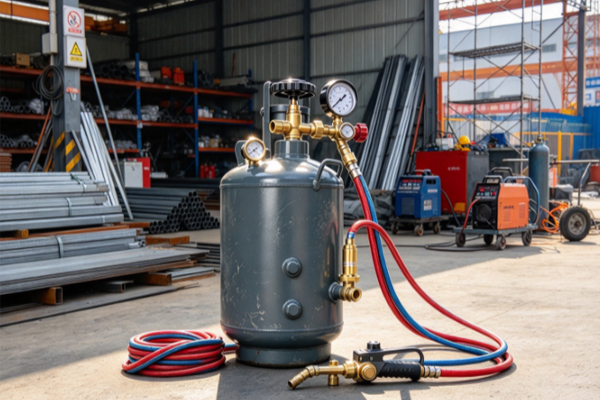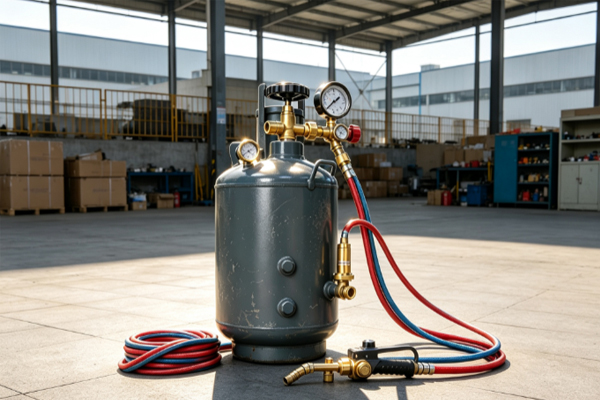
Acetylene cylinders are widely used in welding, flame cutting, machinery manufacturing, structural steel fabrication, equipment maintenance, and many other industrial applications. For businesses that rely on acetylene every day, gas consumption directly affects both production efficiency and operating costs. In many cases, unnecessary gas loss is not caused by normal operation but by leaks, improper operating practices, worn accessories, or inadequate equipment management. By using acetylene cylinders correctly, maintaining the gas supply system, and implementing routine inspection procedures, users can improve gas utilization, reduce unnecessary consumption, and keep welding and cutting operations stable and efficient.
Why Does Acetylene Gas Get Wasted?
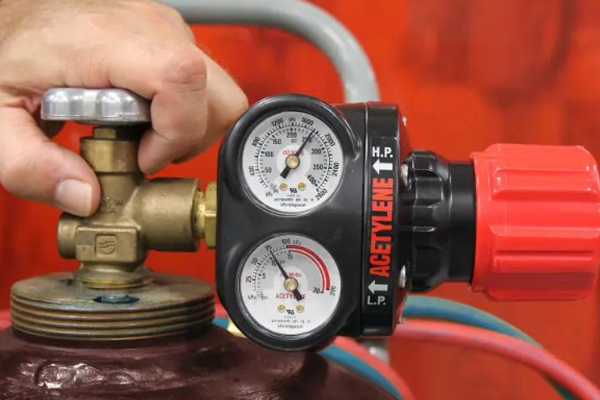
Acetylene flows from the cylinder through the pressure regulator, hose, flashback arrestor, and finally to the welding torch. Every connection in this gas supply system affects overall efficiency. If the cylinder valve, regulator, hose, or fittings lose their sealing performance, even a small leak can result in significant gas loss over time. Blocked torch nozzles, incorrect flame adjustment, or frequent opening and closing of the gas supply may also increase acetylene consumption.
The surrounding working environment also influences gas efficiency. High temperatures may accelerate the aging of hoses and sealing components, reducing their ability to prevent leakage. Poor equipment management, neglected inspections, or damaged fittings can allow slow gas leaks to continue unnoticed for long periods. Keeping the gas supply system complete, clean, and properly maintained is one of the most effective ways to reduce unnecessary acetylene consumption.
Benefits of Reducing Acetylene Gas Waste
Improving acetylene utilization helps reduce gas consumption costs while maintaining a stable welding flame that supports consistent cutting and welding quality. A reliable gas supply also minimizes production interruptions caused by unstable pressure, improving overall productivity and reducing unnecessary rework.
For manufacturing facilities and maintenance workshops, standardized equipment management helps decrease the frequency of equipment failures. Regular inspections and timely replacement of worn accessories reduce leakage, improve system reliability, and extend the service life of pressure regulators, hoses, welding torches, and related components. Better gas management also supports more efficient daily operations and lower long-term maintenance costs.
Effective Ways to Reduce Acetylene Gas Waste
Reducing acetylene consumption requires proper equipment inspection, good operating habits, and consistent maintenance. Following standardized procedures can significantly improve gas efficiency while lowering operating expenses.
The following practices are recommended:
- Inspect the system for gas leaks regularly:Before each operation, check the cylinder valve, pressure regulator, hoses, and fittings. Repair any leakage immediately to prevent continuous gas loss.
- Adjust the operating pressure correctly:Set the acetylene pressure according to the specific welding or cutting requirements to avoid unnecessary gas consumption caused by excessive pressure.
- Close the cylinder valve after use:Shut off the acetylene cylinder valve immediately after completing each task to prevent gas from flowing while the equipment is idle.
- Keep the welding torch nozzle clean:Remove welding residue and debris from the nozzle regularly to maintain a stable flame and improve combustion efficiency.
- Replace worn accessories promptly:Inspect hoses, sealing rings, pressure regulators, and other components regularly, replacing damaged or aging parts when necessary.
Applying these practices consistently improves gas efficiency while maintaining reliable operation of the entire gas supply system.
Improving Gas Efficiency in Different Working Environments
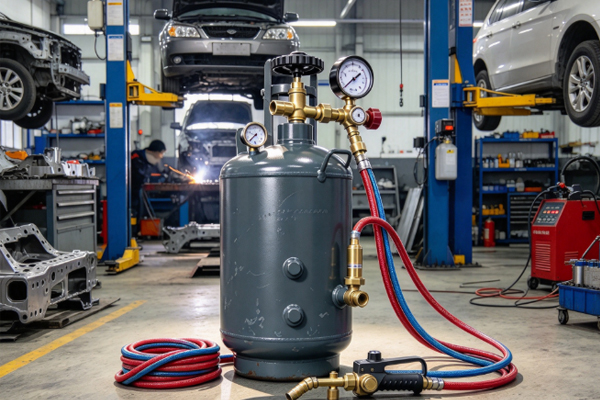
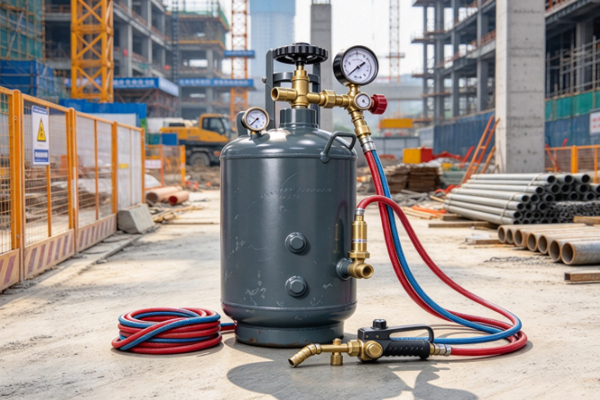
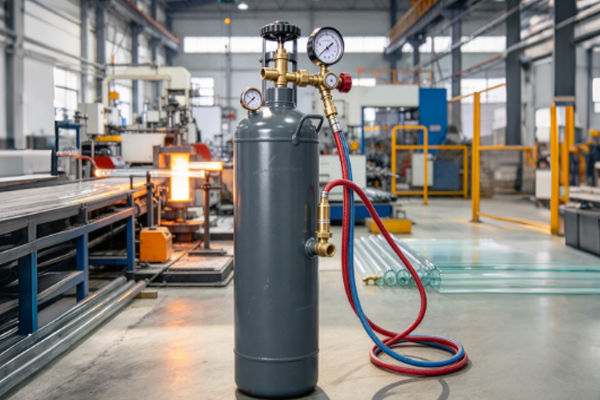
Gas utilization varies depending on the working environment. In automotive repair workshops, welding jobs are often short and require frequent equipment shutdowns, making timely valve closure especially important. Structural steel fabrication facilities typically perform continuous welding operations, where maintaining stable regulator pressure and clean torch nozzles helps minimize unnecessary gas consumption. Construction sites involve frequent cylinder movement, making hose protection essential to prevent damage caused by bending, crushing, or abrasion. Shipbuilding facilities and heavy machinery manufacturers can improve gas efficiency by establishing routine inspection schedules that identify leaks, aging accessories, and equipment wear before they affect production. Proper equipment management supports stable gas delivery while reducing unnecessary operating costs.
Establishing a Management System to Reduce Long-Term Gas Waste
In addition to proper operating procedures, an organized management system plays an important role in minimizing long-term acetylene consumption. Routine inspections, maintenance records, and equipment monitoring make it easier to identify hidden problems before they become significant sources of gas loss.
Recommended management practices include:
- Establish routine inspection schedules:Regularly inspect cylinders, pressure regulators, hoses, welding torches, and other gas supply components.
- Record gas consumption:Monitor daily gas usage to identify abnormal consumption trends and improve equipment management.
- Provide operator training:Ensure personnel understand proper operating procedures and develop good equipment handling habits that reduce unnecessary gas waste.
- Schedule accessory replacement:Replace hoses, sealing components, regulators, and other wear items according to maintenance schedules.
- Maintain equipment cleanliness:Keep welding torches, valves, and connection points clean to ensure reliable gas flow and stable system performance.
By combining standardized operating procedures, regular maintenance, and effective equipment management, businesses can significantly reduce acetylene gas waste, improve gas utilization, lower operating costs, and maintain reliable gas supply performance for welding, cutting, and industrial manufacturing applications.