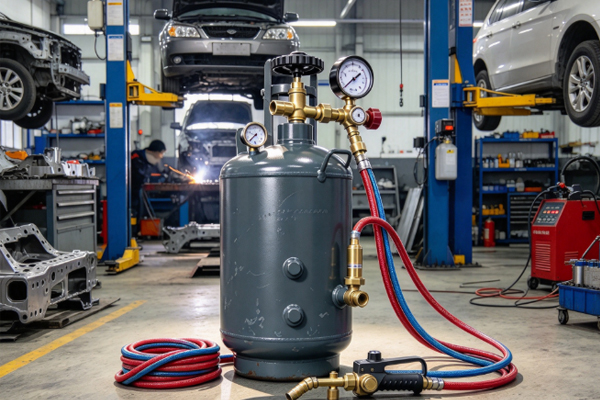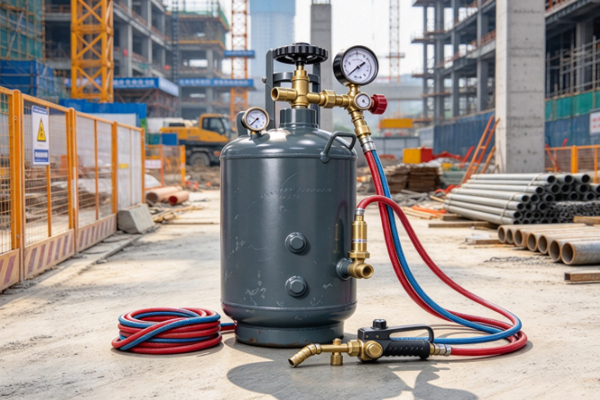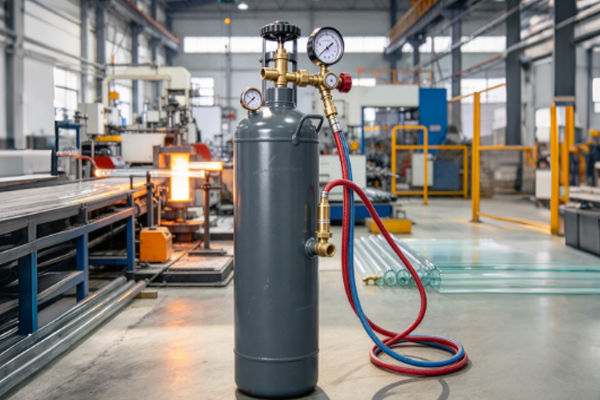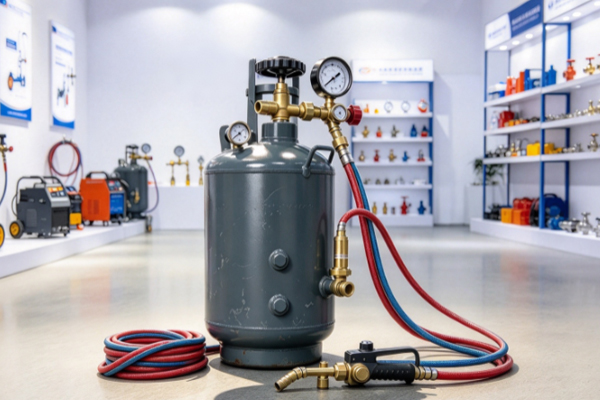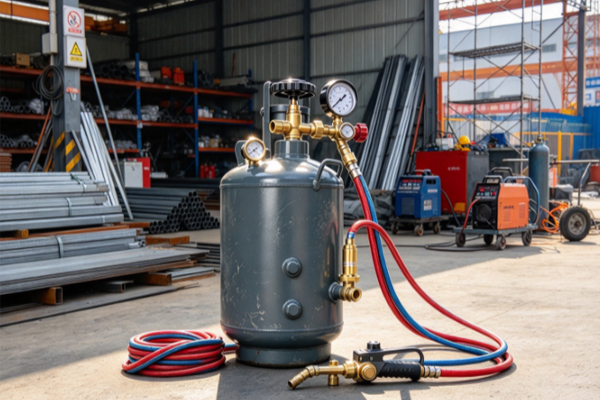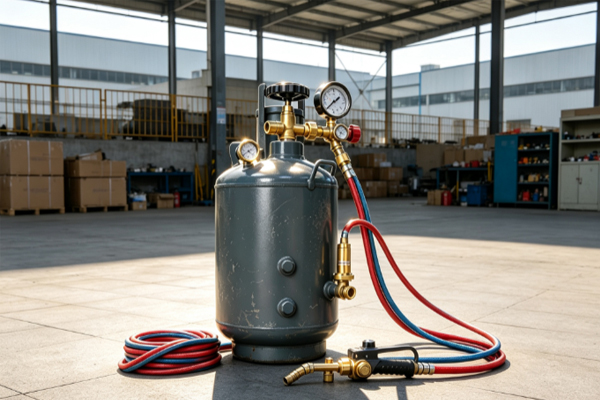
When selecting an acetylene storage tank, many buyers see parameters such as length, height, and diameter in the product specifications but are unsure what these dimensions represent or how to determine whether the tank is suitable for their application. In reality, acetylene storage tank size not only affects storage capacity but also influences transportation, installation space, and future maintenance. Different tank specifications have different structural designs, and simply comparing capacity cannot fully determine whether the equipment is appropriate. Understanding how to read acetylene storage tank length, height, and diameter dimensions can help companies evaluate equipment specifications more accurately, reduce purchasing mistakes, and select gas storage equipment that better meets actual application requirements.
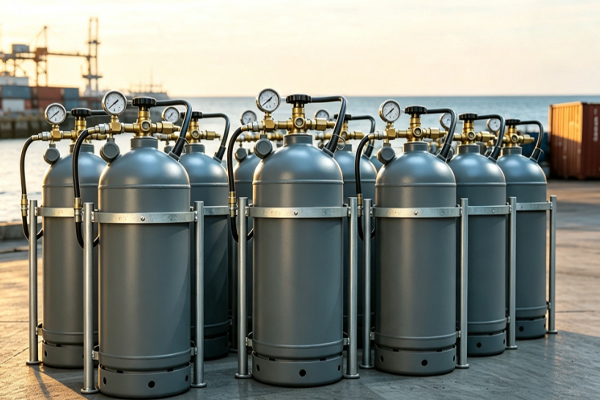
What Do Length, Height, and Diameter Mean in Acetylene Storage Tank Size?
Acetylene storage tank size is usually made up of multiple external dimensions, among which length, height, and diameter are the most commonly considered parameters. These dimensions not only describe the appearance of the equipment but also reflect the tank structure design and installation requirements. Understanding these parameters before purchasing helps buyers evaluate whether the tank meets their actual needs.
The main size parameters usually include:
- The tank length generally refers to the overall horizontal dimension of the equipment, which affects transportation and installation planning.
- The tank diameter represents the width of the main tank body and is related to internal space design and storage capacity.
- The tank height usually includes the main body and related connection components, which should be considered together with the installation area.
Simply put, length determines the horizontal space occupied by the equipment, diameter affects the overall tank structure, and height determines whether the installation location is suitable. These three factors together form important references for acetylene storage tank size selection.
What Size Data Should Be Checked When Reviewing Acetylene Storage Tank Dimensions?
Many companies focus only on capacity when reviewing acetylene storage tank specifications but overlook the relationship between different size parameters. In fact, tanks with the same capacity may have different lengths, heights, and diameters due to different structural designs. Buyers should evaluate multiple parameters instead of relying on a single measurement.
When checking size information, companies should pay attention to:
- The external dimensions should be confirmed to ensure the tank fits the planned installation area and avoids space limitations after purchase.
- The relationship between tank diameter and height should be evaluated to determine whether the equipment layout is stable and practical.
- Transportation dimensions should be checked to ensure the tank can pass through factory access routes and transportation paths.
- Connection locations and additional structural dimensions should be reviewed to prevent difficulties during installation.
Acetylene storage tank size parameters are closely related. For example, increasing diameter may affect installation space, while changes in length may influence transportation methods. Reviewing complete dimension information helps companies make more accurate purchasing decisions.
How Do Acetylene Storage Tank Dimensions Affect Installation and Operation?
After purchase, acetylene storage tanks need to be installed in actual working environments. Therefore, whether the dimensions are suitable will directly affect installation efficiency, daily operation, and maintenance. If site conditions are not considered in advance, installation difficulties may occur and normal operation could be affected.
Tank dimensions can influence the following aspects:
- Excessive tank height may create limitations in installation areas with restricted ceiling space, requiring advance confirmation of site conditions.
- A larger tank diameter requires more placement space and may affect the layout of surrounding equipment.
- Tank length influences transportation routes, making it necessary to plan handling methods before installation.
For industrial users, a larger acetylene storage tank size is not always better. The most suitable dimensions should match the production environment. Proper sizing makes installation easier and improves future inspection and maintenance efficiency.
How to Determine the Right Acetylene Storage Tank Size Based on Actual Needs?
Different companies have different operating environments, production requirements, and usage conditions, which means acetylene storage tank size cannot be selected based on a single fixed specification. When reviewing length, height, and diameter parameters, buyers should evaluate their own requirements instead of simply choosing a commonly used model. Proper selection helps avoid equipment waste and improves long-term performance.
Companies can consider the following factors:
- The installation location should be measured in advance to determine the maximum suitable tank dimensions.
- Daily usage requirements should be evaluated to confirm whether the capacity and external dimensions are properly matched.
- Transportation conditions should be considered to ensure the tank length and height allow convenient delivery and installation.
- Communication with professional manufacturers can provide more suitable size design recommendations.
- Future production changes should be considered to ensure the equipment remains adaptable over time.
By understanding how to read acetylene storage tank size information, companies can better evaluate product specifications and determine whether the equipment is suitable based on length, diameter, height, and other key parameters.
Understanding acetylene storage tank length, height, and diameter dimensions is an important part of gas storage equipment purchasing. Proper size selection affects not only installation results but also long-term operating convenience and production stability. During procurement, companies should consider storage requirements, site conditions, transportation factors, and equipment configuration together. Zhongcheng Gas Cylinde provides acetylene storage tank solutions in various specifications, helping customers select suitable gas storage equipment for different application scenarios.