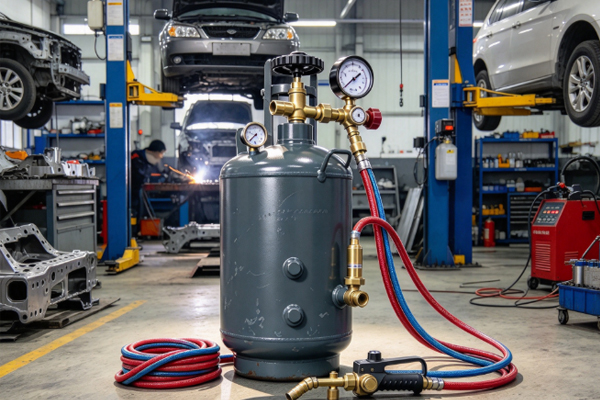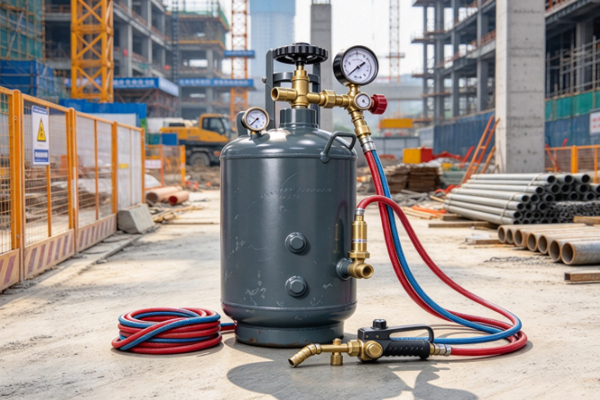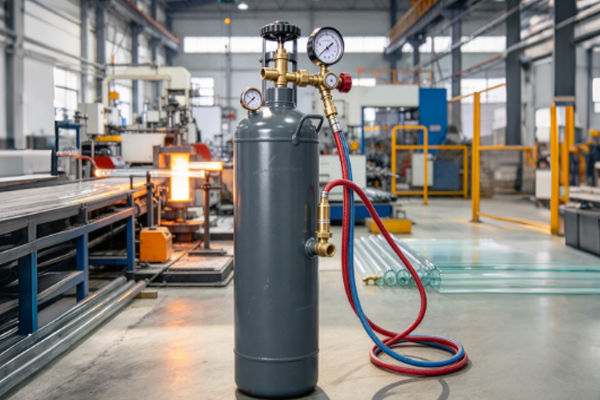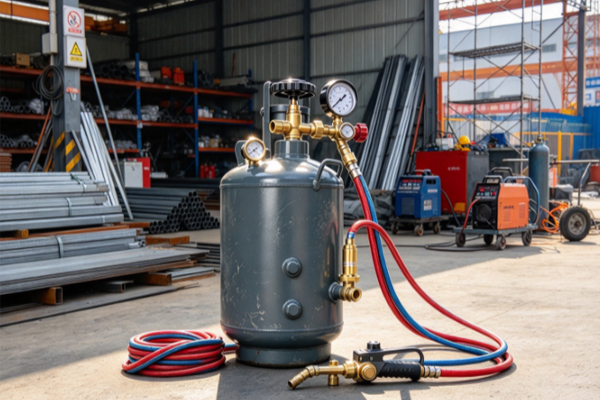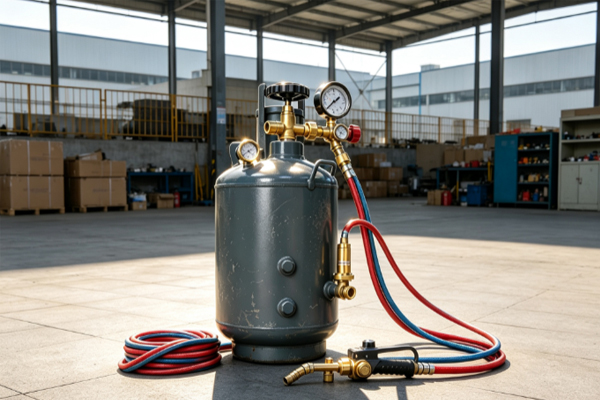
After an acetylene tank enters an enterprise site, many people assume that as long as it is placed and connected, it can be put into use. In real operation, however, it quickly becomes clear that workshops, storage areas, maintenance points, and temporary work zones all have different requirements for space conditions, management rhythm, and usage patterns. Although they are the same type of equipment, once placed in different scenarios, the planning approach, management focus, and follow-up maintenance methods can vary significantly. If you want an acetylene tank to fit the site better, you cannot focus only on the equipment itself. You also need to evaluate the scenario characteristics, production pace, and the company’s management capability in a comprehensive way. This is also why more and more enterprises are paying attention to scenario-based solutions.
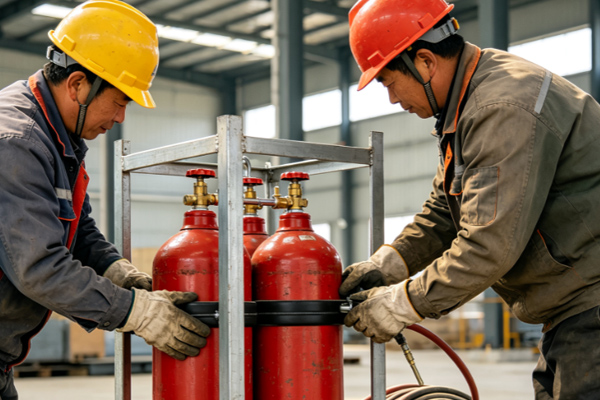
The Planning Approach for Acetylene Tanks Is Not the Same in Different Scenarios
The more obvious the scenario differences are, the less it makes sense to simply apply the same template. Different environments have different requirements for equipment layout, management methods, and follow-up maintenance. The solution design will change accordingly. Only by clearly understanding these differences can the equipment integrate into the site more smoothly.
Fixed Workshops Place More Emphasis on Long-Term Stability
Fixed production environments usually have a stable pace, and equipment is used more frequently. On-site management places greater emphasis on continuity and controllability. Solution design will focus more on long-term operating experience rather than rapid short-term deployment.
- Layout pays more attention to long-term management efficiency and avoids frequent adjustments that may affect production rhythm later.
- On-site workflow emphasizes continuity more, reducing interference to process coordination caused by equipment changes.
- Follow-up maintenance and inspections need clearer routes so that enterprises can form stable management habits.
This type of scenario is more suitable for overall planning, allowing the equipment to remain in a more stable state during long-term use.
Temporary Work Sites Place More Emphasis on Flexible Adaptation
Temporary stations, mobile work areas, and phased construction sites require a higher degree of flexibility in the solution. Equipment arrangements cannot fully copy the approach used in fixed workshops. Instead, they need to focus more on adjustment convenience and on-site adaptability.
- Site conditions change quickly, so equipment arrangements should be easy to adjust and optimize according to actual needs.
- Usage cycles are not fixed, so management methods cannot simply follow the standard procedures used in long-term fixed scenarios.
- On-site conditions fluctuate greatly, so the solution needs room for adaptation to reduce the impact of temporary changes.
Temporary scenarios value response speed and adjustment convenience more. The more flexible the solution, the better the user experience tends to be.
What Are the Key Factors That Cause Installation Differences?
The reason different scenarios cannot be handled in the same way lies in the obvious differences in site conditions and usage patterns. Only by clearly understanding these differences can solution design better match actual needs and more easily reduce later rework and adjustments.
Site Space Conditions
Space conditions directly determine whether the solution can be implemented smoothly. The more complex the site is, the more detailed the assessment needs to be in advance to avoid blocked passages or inconvenient management after the equipment is arranged.
- The size of the site affects the layout approach. When space is tight, planning needs to be more careful.
- Whether the passages are smooth affects daily management experience and later inspection efficiency.
- The density of surrounding equipment also changes the overall planning method and requires more coordinated consideration.
The more complex the space, the more important it is to assess the scenario in advance and avoid repeated modifications later.
Usage Frequency and Production Rhythm
The intensity of acetylene tank use varies greatly from one enterprise to another. The higher the usage frequency, the stronger the demand for stability. The more dispersed the usage rhythm, the more obvious the demand for management convenience.
- High-frequency usage scenarios care more about stability and hope the operating state remains continuous with fewer fluctuations.
- Intermittent usage scenarios care more about management convenience and hope maintenance and inspections are easier.
- Scenarios with obvious peak fluctuations need more room in the solution to handle phased changes.
Different usage rhythms naturally lead to different installation approaches, so the solution must be adjusted accordingly.
Enterprise Management Capability
Whether the equipment solution can truly deliver results also depends on management level. The more standardized the management, the easier it is for the equipment to remain stable, and the easier it is to control the impact of scenario differences. Dedicated personnel for daily inspections, a clear record system, and a continuous maintenance mindset all directly affect whether the equipment state remains controllable, whether problems are discovered in time, and whether the equipment can maintain good performance over the long term. The more standardized the management, the easier the solution is to operate stably, and the better the equipment experience will be.
Common Enterprise Misunderstandings Can Magnify Scenario Differences
Many cases of rework and adjustment are not caused by the equipment itself, but by insufficiently detailed early-stage judgment. If the scenario is not fully understood, more incompatibility issues are likely to appear during later use, and a project that should have been simple may become complicated.
Focusing Only on the Equipment and Ignoring the Site
Many enterprises pay more attention to the equipment itself during selection and overlook site conditions. As a result, the parameters may look suitable on paper, but the equipment does not feel convenient in actual deployment.
- Equipment parameters may look suitable, but the actual deployment may feel awkward, reducing the user experience.
- Applying one unified template to different scenarios can easily create deviations and lead to more adjustments later.
- If site changes are not included in the evaluation, repeated issues are likely to appear during project execution.
Poor scenario adaptation often slows project progress and increases communication costs.
Pursuing Fast Deployment While Ignoring Follow-Up Management
Fast installation does not mean the solution is mature. Truly worry-free solutions usually place more emphasis on long-term results rather than short-term completion. If site issues are not fully evaluated, hidden risks may appear during later use. If maintenance convenience is not considered in advance, management pressure will gradually increase during operation. By the time incompatibility is discovered after some time in use, production arrangements may already be affected. Truly worry-free solutions usually include follow-up management in the design scope.
Installing Without Managing Leaves Hidden Risks
Once the equipment is put into use, management actions cannot stop. Installation is only the beginning. Continuous management determines whether the equipment can operate stably over the long term.
- Daily inspections cannot be omitted, so changes in equipment condition can be detected in time.
- Abnormal situations must be handled promptly to prevent small issues from growing larger.
- Operating records should be kept complete to support later review and optimization.
If management is not in place, scenario differences will continue to be magnified, and equipment problems will accumulate more easily.
How Can Acetylene Tanks Be Better Adapted to Different Scenarios?
If you want the equipment to truly fit the site, the key is not “installing quickly,” but “installing correctly.” Only by combining early-stage assessment, solution design, and follow-up management can the equipment better serve production and achieve stable usage results.
Clarify the Usage Scenario First
The more detailed the scenario analysis is, the easier it is for the solution to match actual needs. When enterprises clearly explain their requirements in advance, execution later becomes smoother.
- Clarifying which process the equipment is mainly used for helps determine usage intensity and management priorities.
- Understanding the site space and flow characteristics helps optimize the overall layout approach.
- Combining the enterprise’s management style into the overall judgment makes the solution more aligned with actual operating habits.
When the scenario is clear, the solution is easier to implement and later adjustments are reduced.
Involve a Professional Team in Solution Evaluation
An experienced service team can help enterprises avoid detours and identify many easily overlooked details during the early stage.
- It is easier to identify site differences and avoid treating different scenarios as the same.
- It is easier to judge solution compatibility and make the equipment configuration closer to actual needs.
- It is easier to balance follow-up service requirements so the project is not just “installed,” but truly “used well.”
Professional support improves project quality and reduces the likelihood of later rework.
Establish a Long-Term Management Mechanism
Installation is only the beginning. Continuous management determines the user experience. If an enterprise can standardize its management process, equipment operation is usually more stable.
- Regular equipment inspections help problems be discovered earlier.
- Timely review of site issues helps optimize future solutions.
- Continuous improvement of management processes makes the equipment easier to use over time.
The more complete the long-term mechanism is, the more stable the equipment operation will be, and the easier enterprise management will become.
Installation methods for acetylene tanks are not exactly the same in different scenarios. What truly determines the effectiveness of the solution is whether site conditions, usage rhythm, and management capability are aligned. If enterprises want the equipment to work better, they need to clearly understand scenario differences, refine solution design, and strengthen follow-up management. Only then can repeated adjustments be reduced and the gas supply system become more stable and worry-free. Zhongcheng Gas Tank focuses on acetylene tank and industrial gas supply solutions, helping enterprises make scenario adaptation more stable and more worry-free.