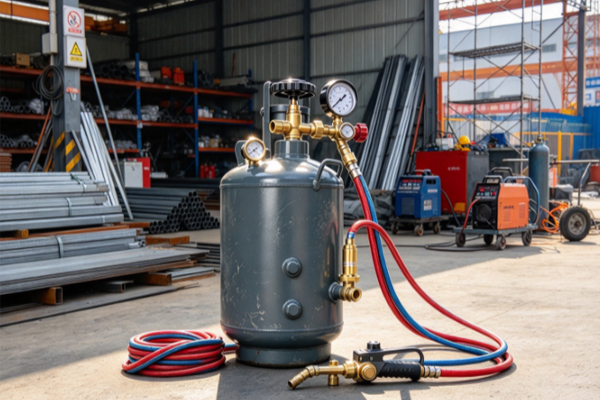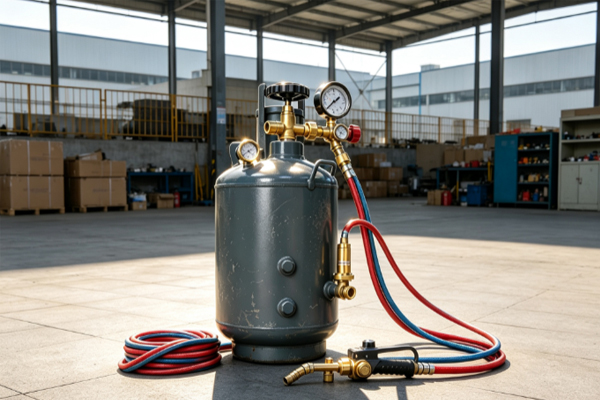
Acetylene cylinders are widely used in welding, flame cutting, machinery manufacturing, structural steel processing, automotive repair, and industrial installation. During normal operation, acetylene must be delivered at a stable pressure through the pressure regulator, hose, and welding torch to ensure consistent flame performance and reliable cutting or welding results. If an acetylene cylinder experiences excessive pressure, insufficient pressure, or unstable pressure fluctuations, it may affect work efficiency and increase equipment risks. Understanding the causes of abnormal pressure, inspection methods, and proper solutions helps maintain a stable gas supply system, extend equipment service life, and improve workplace safety.
Why Does an Acetylene Cylinder Experience Abnormal Pressure?
Abnormal pressure in an acetylene cylinder is usually related to environmental temperature, equipment condition, accessory performance, and operating practices. High-temperature environments may increase internal cylinder pressure, while low-temperature conditions can reduce acetylene release efficiency and cause lower output pressure. If the pressure regulator has been used for a long time, problems such as internal wear, adjustment failure, or aging sealing components may also result in unstable pressure.
In addition, opening the cylinder valve too quickly, leaking hoses, blocked flashback arrestors, or poor sealing at connection points may affect the balance of the entire gas supply system. During continuous operation, insufficient maintenance and inspection may gradually reduce the performance of valves and accessories, eventually causing pressure fluctuations. Maintaining equipment in good condition is an important method for reducing abnormal pressure problems.
Effects of Abnormal Pressure on Acetylene Cylinder Operation
Stable acetylene pressure is essential for achieving high-quality welding and cutting results. When pressure becomes higher than the normal range, gas flow may increase, causing changes in flame performance and unnecessary gas consumption. Higher pressure also places additional stress on pressure regulators and other accessories, which may shorten the service life of sealing components and adjustment mechanisms.
When pressure is too low, the welding torch flame may become weak or unstable, affecting weld formation and cutting efficiency. In some cases, the flame may even extinguish during operation. For companies with continuous production requirements, frequent pressure fluctuations can interrupt workflow and increase maintenance costs. Maintaining stable pressure improves processing quality while reducing gas waste and equipment wear.
How to Inspect Equipment After Abnormal Pressure Occurs
When abnormal pressure is detected, the gas supply system should be inspected step by step according to proper procedures. Systematic inspection helps identify the cause quickly and improves maintenance efficiency.
The following inspection items are recommended:
- Check the pressure gauge reading:Confirm that the pressure gauge is functioning correctly and observe whether pressure remains too high, too low, or fluctuates continuously.
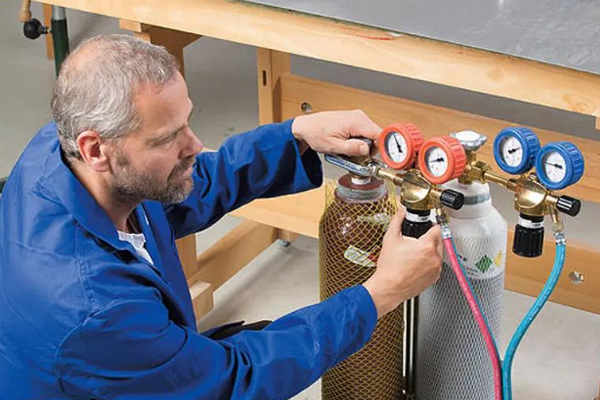
- Inspect the pressure regulator condition:Check whether the adjustment knob operates properly and confirm that connections remain secure with good sealing performance.
- Inspect the cylinder valve and connection points:Verify that the valve operates normally and ensure that fittings are not loose or leaking.
- Check the hose and flashback arrestor:Inspect hoses for blockage, aging, bending, or damage, and confirm that the flashback arrestor remains clear and functional.
- Evaluate the operating environment:Check whether surrounding temperatures are too high or too low, as extreme conditions may affect normal cylinder pressure.
After completing these inspections, appropriate repairs, accessory replacement, or equipment adjustments should be carried out. The cylinder should only return to operation after pressure stability has been confirmed. Proper inspection procedures improve maintenance efficiency and reduce equipment failure risks.
How Different Working Environments Can Reduce Pressure Problems
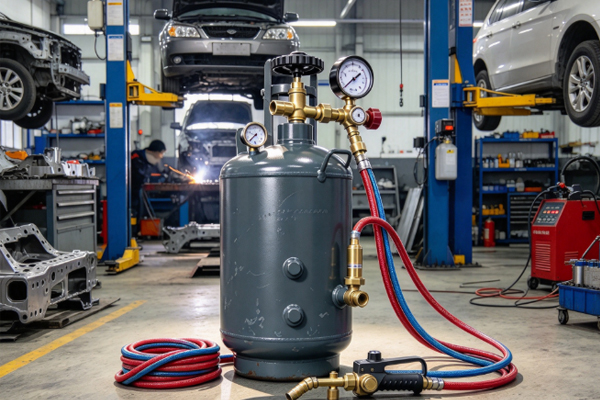
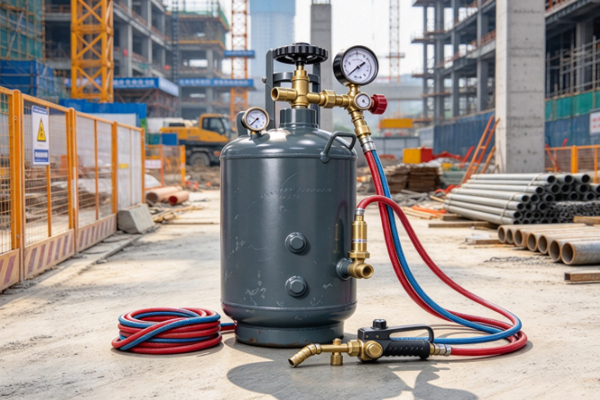
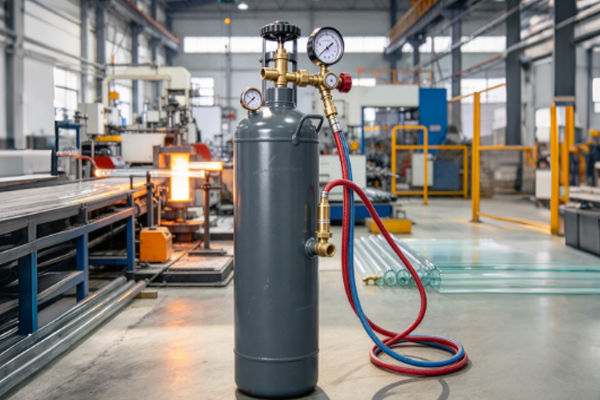
Automotive repair workshops often experience frequent equipment start and stop cycles, making it important to open cylinder valves slowly and inspect pressure regulators regularly. Structural steel processing facilities usually perform long-duration welding operations and should schedule routine inspections based on equipment usage, including flashback arrestor cleaning and hose sealing checks. Construction sites may experience significant temperature changes, so cylinders should be protected from prolonged direct sunlight and extreme cold conditions to reduce pressure variations. Shipbuilding facilities, machinery processing plants, and large industrial companies can improve system stability by implementing centralized gas management programs with regular maintenance of pressure gauges, regulators, and related accessories.
How to Establish a Pressure Management System
Solving abnormal pressure problems requires more than repairing equipment after failure. A long-term management system helps reduce the frequency of pressure issues and improves equipment efficiency.
Recommended management practices include:
- Create a pressure inspection schedule:Check pressure gauges and regulators before and after daily operations and maintain inspection records.
- Perform regular maintenance on key accessories:Maintain and replace pressure regulators, flashback arrestors, hoses, and sealing components when necessary.
- Strengthen operator training:Standardize valve opening procedures, pressure adjustment methods, and shutdown operations to reduce human errors.
- Maintain equipment service records:Record inspections, repairs, and replacement activities to track equipment performance over time.
- Improve workplace management practices:Keep cylinder storage areas dry and well ventilated, protect cylinders from excessive heat, and ensure proper securing and protection.
Through standardized operation, preventive maintenance, and continuous inspection, abnormal pressure problems in acetylene cylinders can be effectively reduced. A stable gas supply system provides safer and more reliable support for welding, flame cutting, and industrial manufacturing operations.