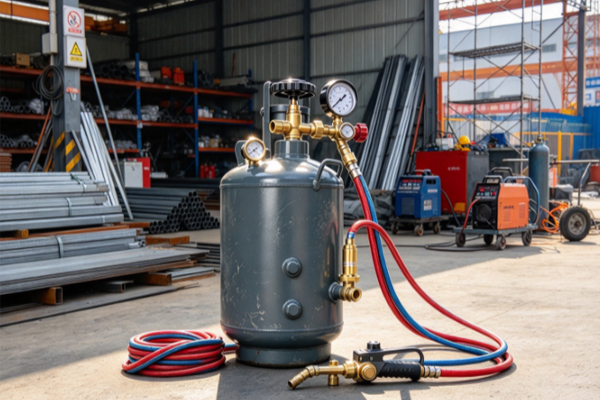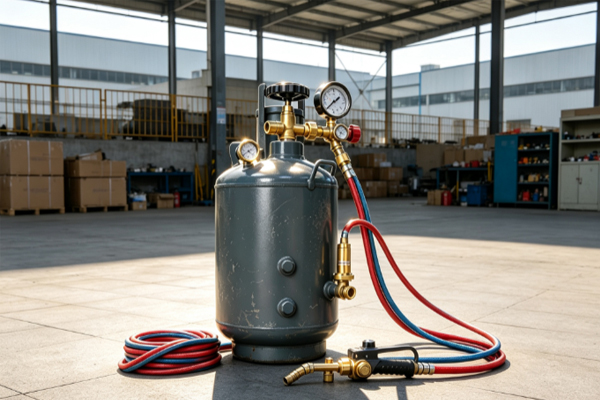
Acetylene cylinders are widely used in metal welding, flame cutting, machinery manufacturing, ship repair, structural steel fabrication, and industrial installation. Since acetylene is a highly flammable gas, strict operating procedures must be followed during transportation, storage, connection, and daily use to maintain a safe and reliable gas supply system. Standardized operating practices help reduce equipment failures, minimize the risk of gas leaks, flashbacks, and abnormal pressure conditions, improve production efficiency, and extend the service life of cylinders and related accessories. For businesses that rely on acetylene cylinders every day, establishing consistent operating procedures is an essential part of maintaining safe and continuous production.
Why Proper Operating Procedures Are Important
An acetylene cylinder stores dissolved acetylene inside porous filler material saturated with acetone, allowing the gas to remain stable during storage and transportation. During normal operation, acetylene passes through the cylinder valve, pressure regulator, flashback arrestor, hose, and welding torch before reaching the work area. Every component in this gas supply system contributes to stable gas delivery. Improper operation, such as opening the cylinder valve too quickly, making loose connections, installing accessories incorrectly, or failing to close the valve after use, may affect equipment performance and increase operational risks.
Following standardized operating procedures helps maintain stable gas pressure, improve welding and cutting quality, reduce accessory wear, and minimize unnecessary gas consumption. For facilities that perform continuous production, consistent operating standards also reduce human error, improve workplace management, and help keep equipment operating efficiently.
Basic Operating Requirements During Daily Use
During operation, the acetylene cylinder should always remain in an upright position and be securely fastened to prevent tipping or accidental movement. The cylinder valve should be opened slowly so that pressure builds gradually within the gas supply system, helping the pressure regulator function correctly. Throughout operation, the cylinder should be used in a well-ventilated area and kept away from open flames, high-temperature equipment, and sources of sparks that could create hazardous conditions.
After welding or cutting has been completed, the cylinder valve should be closed first, followed by releasing the remaining pressure from the system before closing the pressure regulator. This procedure leaves the equipment in a depressurized condition. If the cylinder will not be used for an extended period, the pressure regulator should be removed, the protective valve cap installed, and the cylinder stored properly to protect it from dust, moisture, and environmental damage. Consistent operating habits help maintain a reliable gas supply system while reducing unnecessary equipment wear.
Important Items to Inspect During Acetylene Cylinder Operation
Safe operation includes not only correct equipment use but also careful inspection before and after every job. Regular inspections help identify problems early and reduce the possibility of equipment failures.
The following inspection items are recommended:
- Inspect the cylinder exterior:Check for corrosion, dents, cracks, mechanical damage, and ensure identification markings remain clear.
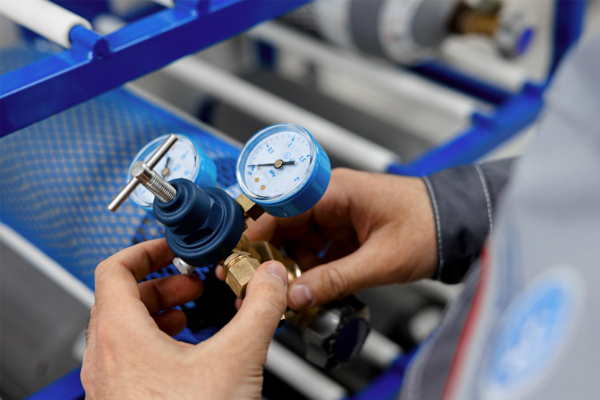
- Inspect the cylinder valve and pressure regulator:Verify smooth valve operation, secure connections, and proper sealing performance.
- Inspect hoses and fittings:Check hoses for cracks, aging, abrasion, excessive bending, or signs of gas leakage.
- Inspect the flashback arrestor:Ensure the flashback arrestor is correctly installed and functioning properly to improve gas supply safety.
- Check operating pressure:Adjust the pressure according to the welding or cutting requirements to maintain stable gas delivery.
Routine inspections improve equipment reliability while supporting safe and efficient daily operation.
Proper Operating Practices in Different Working Environments
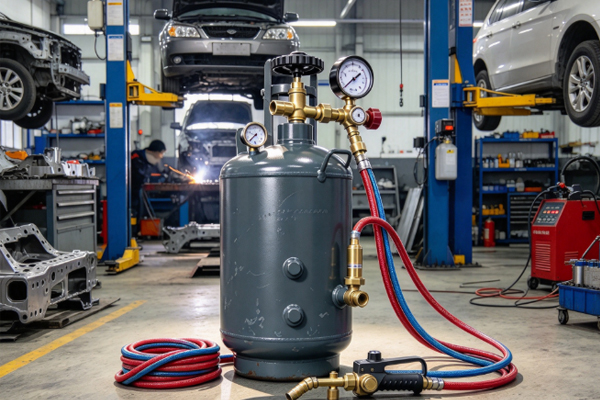
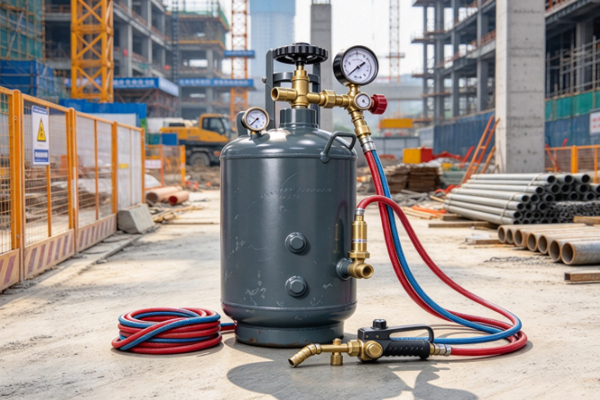
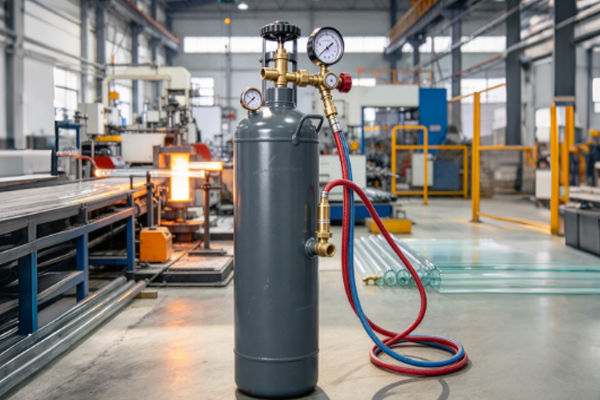
Different workplaces require different management practices. In automotive repair workshops, welding equipment is frequently started and stopped, making it important to close the cylinder valve after every operation and inspect all gas connections for leaks. Structural steel fabrication facilities typically operate acetylene equipment continuously, requiring stable pressure regulation and regular equipment inspections. Construction sites often involve frequent cylinder transportation, so cylinders should be securely fastened and protected from impact. Shipbuilding facilities, machinery manufacturers, and large industrial plants often implement centralized gas management systems that assign identification numbers to cylinders, schedule regular inspections, and perform preventive maintenance to improve workplace efficiency while maintaining reliable gas supply performance.
How to Establish an Effective Acetylene Cylinder Management System
Safe operation depends not only on individual practices but also on a well-organized management system. Continuous improvement of equipment management procedures helps increase workplace safety while maintaining efficient production.
The following management measures are recommended:
- Develop standardized operating procedures:Establish clear requirements for cylinder connection, valve operation, equipment use, shutdown, and storage.
- Implement routine inspection programs:Inspect cylinders, accessories, and the gas supply system daily to identify abnormal conditions promptly.
- Provide regular safety training:Ensure operators understand correct equipment operation and maintain strong safety awareness.
- Maintain equipment service records:Document inspections, maintenance, accessory replacement, and corrective actions for long-term equipment management.
- Assign equipment management responsibilities:Designate responsible personnel to supervise cylinder operation and ensure compliance with established procedures.
By combining standardized operating procedures, routine inspections, preventive maintenance, and effective management, businesses can significantly improve the safety and reliability of acetylene cylinder operations while providing a stable gas supply for welding, flame cutting, and industrial manufacturing.