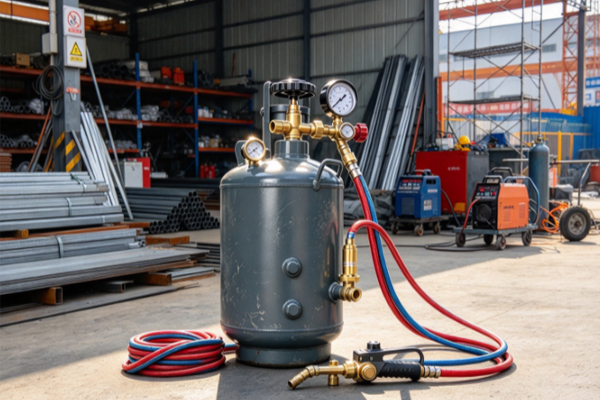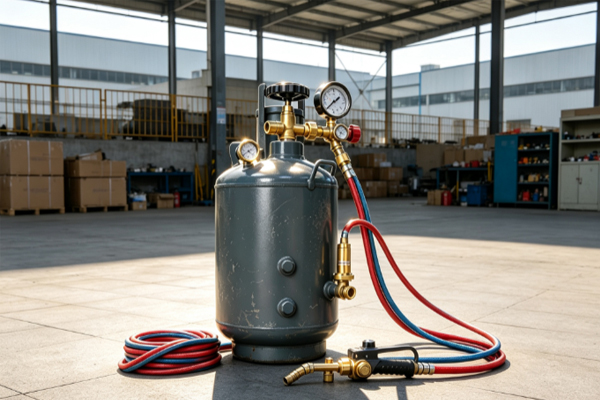
Acetylene cylinders are commonly used in industrial welding, flame cutting, machinery processing, structural steel manufacturing, and equipment maintenance. Since acetylene is a flammable gas, strict control of storage conditions, placement methods, and safety management procedures is required during storage. Proper storage helps reduce risks caused by gas leakage, cylinder damage, and abnormal pressure changes while maintaining stable gas performance during later use. Whether in production workshops, construction sites, or storage facilities, suitable storage methods should be established according to actual operating conditions to keep acetylene cylinders safe and reliable.
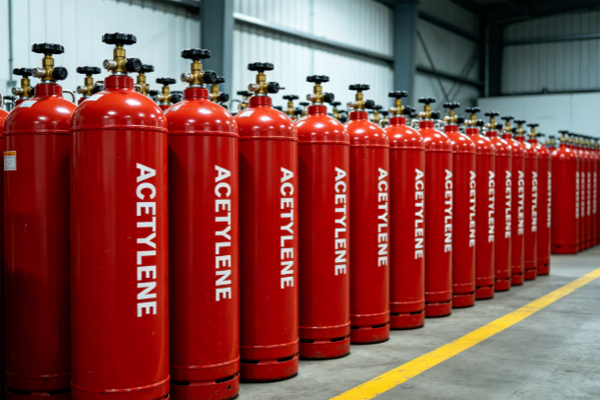
What Conditions Are Required for Acetylene Cylinder Storage?
The storage area for acetylene cylinders should remain dry, well ventilated, and protected from high temperatures, moisture, and corrosive substances. Good ventilation helps prevent gas accumulation and improves storage safety. The storage location should be kept away from open flames, welding operations, high-temperature equipment, and areas where sparks may occur to prevent external heat sources from affecting cylinder conditions.
Acetylene cylinders should not be exposed to direct sunlight for long periods. High temperatures may increase cylinder temperature and cause pressure changes inside the cylinder. Extremely cold environments may also affect gas release performance, so a location with relatively stable temperatures should be selected. The storage floor should remain flat and free from water accumulation, oil contamination, or chemical substances that may damage the cylinder surface. Proper storage planning improves daily inspection efficiency and helps extend the service life of cylinders and related accessories.
What Are the Placement Requirements for Acetylene Cylinders?
During storage, acetylene cylinders should remain upright and be secured properly to prevent tipping. Appropriate spacing should be maintained between cylinders to allow inspection and avoid collisions during handling. Storage areas should include clear identification signs to prevent unauthorized movement or operation.
Cylinders with different conditions should be managed separately. Filled cylinders, empty cylinders, and cylinders requiring inspection should be placed in designated areas to avoid confusion during use. Suitable tools should be used during transportation, and cylinders should not be dragged, rolled, or exposed to strong impacts. Protective caps and valve protection devices should remain in good condition when cylinders are not in use to reduce damage caused by dust, impact, or external environmental factors. Proper placement improves storage management efficiency and makes future operation and maintenance easier.
What Inspections Should Be Conducted During Acetylene Cylinder Storage?
Routine inspections are an important part of safe acetylene cylinder storage management. Regular checks help identify abnormal conditions early and prevent potential problems from affecting equipment safety.
The following inspection items are recommended:
- Inspect the cylinder exterior condition:Check whether the cylinder has corrosion, deformation, cracks, or impact damage, and confirm that the cylinder structure remains intact.
- Inspect the cylinder valve and protective equipment:Ensure that the valve is not damaged and that protective caps are properly installed to prevent impact during storage and transportation.
- Check changes in the storage environment:Confirm that the storage area remains free from excessive heat, moisture, water accumulation, or flammable material buildup.
- Verify cylinder classification management:Ensure that filled cylinders, empty cylinders, and cylinders requiring inspection are stored separately according to requirements.
- Check securing measures:Confirm that fixing devices remain effective and prevent cylinders from falling or being damaged.
Continuous inspection improves acetylene cylinder storage management and reduces equipment problems, providing stable support for future welding and cutting operations.
How Do Acetylene Cylinder Storage Methods Differ in Various Applications?
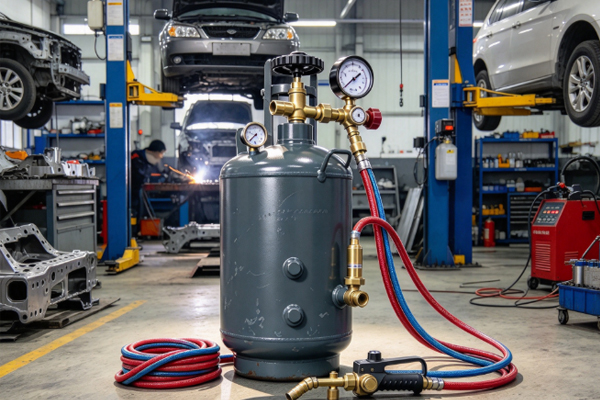
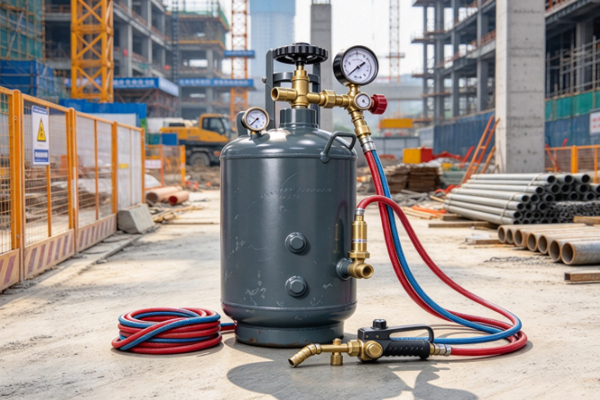
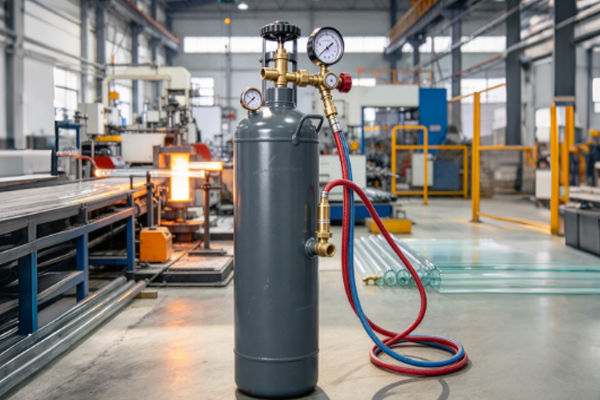
Industrial workshops usually have fixed working areas, allowing acetylene cylinders to be stored in dedicated locations with proper identification and securing systems. Automotive repair facilities often use acetylene cylinders frequently, so storage positions should be arranged near work areas while maintaining distance from heat sources and ignition risks. Construction sites usually experience changing environments, requiring storage locations to be adjusted according to project progress while providing protection from sunlight and physical impact. Steel fabrication plants and large manufacturing companies often manage larger quantities of cylinders and should establish centralized storage areas with unified tracking of cylinder quantities, conditions, and usage status. Although storage practices may vary between industries, all applications require proper ventilation, safe placement distances, and standardized organization to maintain good cylinder storage conditions.
How to Establish an Effective Acetylene Cylinder Storage Management System?
Scientific management helps improve acetylene cylinder storage safety and creates a more organized working environment. Companies should establish long-term management procedures based on actual usage requirements to create a complete system covering storage, inspection, and operation.
Recommended management practices include:
- Define storage area standards:Establish clear requirements for cylinder locations, placement methods, and safety management procedures.
- Create cylinder registration records:Record cylinder identification numbers, inspection status, usage history, and storage locations for easier management.
- Assign regular inspection responsibilities:Arrange personnel to regularly check cylinder conditions and storage environments, addressing problems immediately when discovered.
- Provide employee training:Improve workers’ understanding of acetylene cylinder storage requirements and reduce incorrect handling or unsafe operations.
- Improve emergency response procedures:Equip storage areas with necessary fire protection equipment and establish response procedures for abnormal situations.
By maintaining proper storage environments, conducting regular inspections, and improving management procedures, companies can reduce risks during acetylene cylinder storage and create a safer, more reliable gas supply system for welding, cutting, and industrial production.