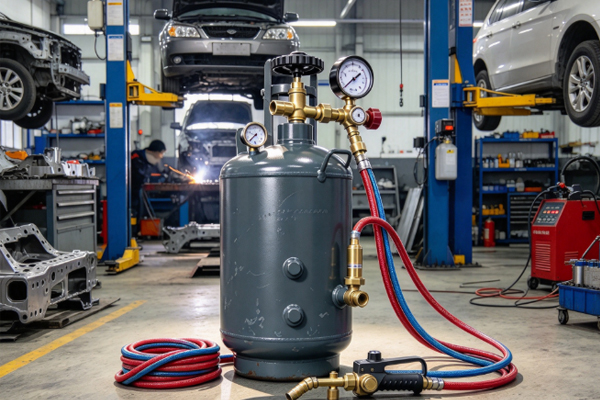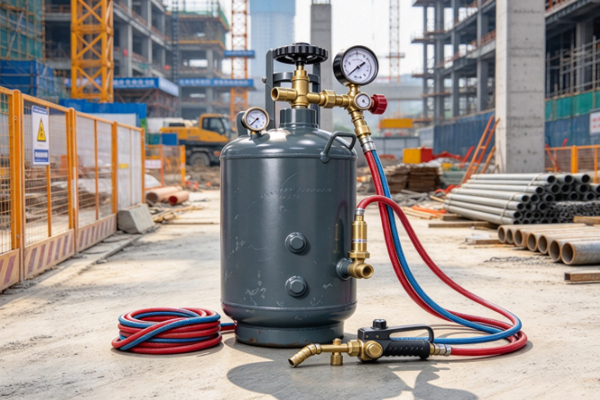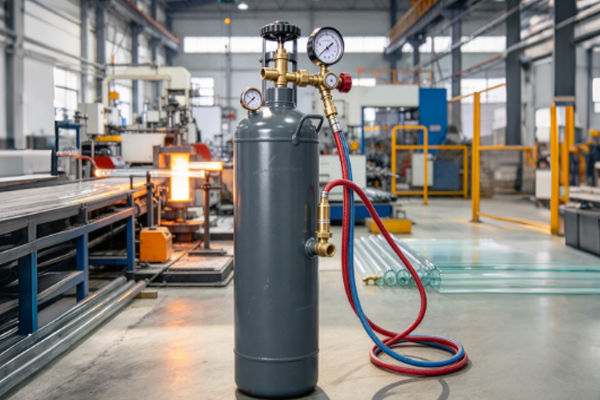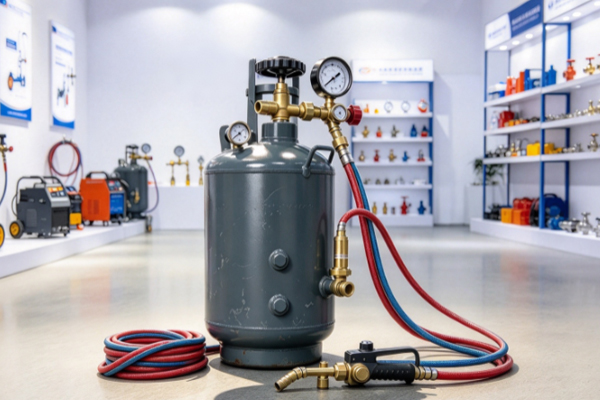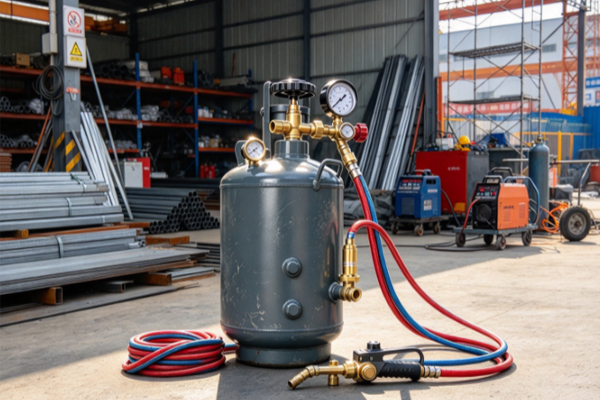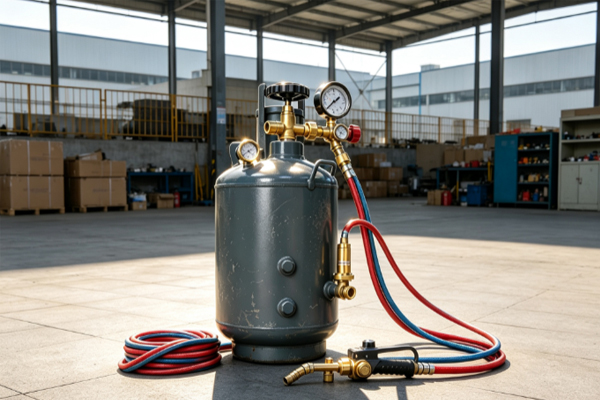
After using an acetylene storage tank for some time, many companies begin to wonder whether the tank size can be changed as production expands or workshop layouts are adjusted. Some hope to enlarge the tank to increase gas storage capacity, while others want to reduce its size to save installation space. Although changing the tank dimensions may seem simple, it actually involves equipment design, manufacturing processes, safety requirements, and long-term operational reliability. Since an acetylene storage tank is a pressure vessel, its dimensions cannot be modified as easily as ordinary steel structures. Understanding which aspects can be optimized, which should not be altered, and when it is better to select a new tank is far more important than attempting an unnecessary modification.
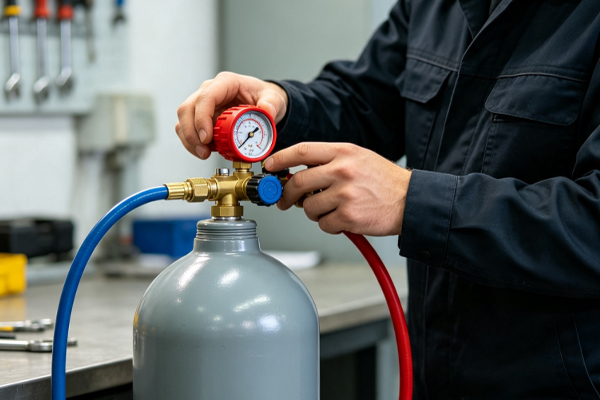
Can the Size of an Acetylene Storage Tank Be Modified Directly?
Some users believe that an acetylene storage tank is simply a steel container that can be lengthened, widened, or cut to change its size. In reality, this approach is not suitable for pressure vessels. During the design stage, the dimensions, structure, and load-bearing capacity are calculated as a complete system. Any modification afterward may affect the equipment’s safe and reliable operation.
In general:
- It is not recommended to modify the primary dimensions of an acetylene storage tank that is already in service, including its length, diameter, or height.
- Once the main tank structure is altered, the original design parameters and operating conditions may no longer apply.
- If greater storage capacity is required, selecting a larger tank is usually a better solution than modifying the existing one.
Although modifying a tank may seem less expensive than purchasing a new one, the combined costs of alteration, inspection, and potential risks are often higher than expected.
When Should You Reconsider Acetylene Storage Tank Size?
Although the size of an acetylene storage tank should not be changed casually, business requirements often evolve over time. When production capacity increases, factory layouts change, or gas supply methods are upgraded, it is a good time to re-evaluate whether the current acetylene storage tank size is still suitable.
The following situations deserve attention:
- New production lines increase gas demand beyond the capacity of the existing tank.
- Workshop layouts are redesigned, making the current equipment occupy too much valuable space.
- The company relocates to a new facility with different installation conditions and transportation requirements.
- Aging equipment is being replaced, creating an opportunity to select a more suitable tank size.
In many cases, the tank itself is not the problem. Instead, the company’s operational needs have outgrown the original equipment configuration, making replacement a more practical option than modification.
If the Tank Size Cannot Be Changed, How Can Performance Be Improved?
Not being able to modify the tank dimensions does not mean that system performance cannot be improved. In many cases, optimizing the gas supply system or adjusting equipment layout can significantly improve operating efficiency with much less effort than modifying the tank itself.
Possible solutions include:
- Relocating the tank to improve workshop layout and make better use of available space.
- Optimizing the gas piping system to reduce pressure loss and improve gas supply efficiency.
- Scheduling gas consumption more effectively to reduce peak demand during production.
- Adding supporting gas storage equipment when demand continues to grow instead of modifying the existing tank.
Although these methods do not change the acetylene storage tank size, they often solve the practical issues faced by many industrial users.
How to Avoid Replacing Equipment Because of Size Issues?
Many requests to change tank dimensions result from insufficient planning during the initial purchasing stage. If future production requirements are considered before purchasing, the need for replacement can be significantly reduced.
Before purchasing, companies should:
- Consider future production growth instead of selecting equipment based only on current gas consumption.
- Measure the installation area carefully and reserve enough space for maintenance and future expansion.
- Discuss production conditions with the manufacturer to obtain recommendations for the most suitable acetylene storage tank size.
- Request complete technical drawings and specifications to ensure transportation, lifting, and installation can be completed smoothly.
- If special project requirements exist, discuss customized dimensions during manufacturing rather than after the equipment has been put into service.
A well-planned purchasing decision is often more cost-effective than repeatedly modifying or replacing equipment later.
The size of an acetylene storage tank is not a parameter that should be changed after the equipment is put into operation. The better approach is to carefully plan the tank size during the purchasing stage by considering production requirements, installation conditions, and future expansion. This helps ensure stable long-term performance while avoiding unnecessary replacement or modification. Zhongcheng Gas Cylinde provides acetylene storage tank solutions in a wide range of standard and customized sizes to help businesses choose equipment that best fits their operational needs.