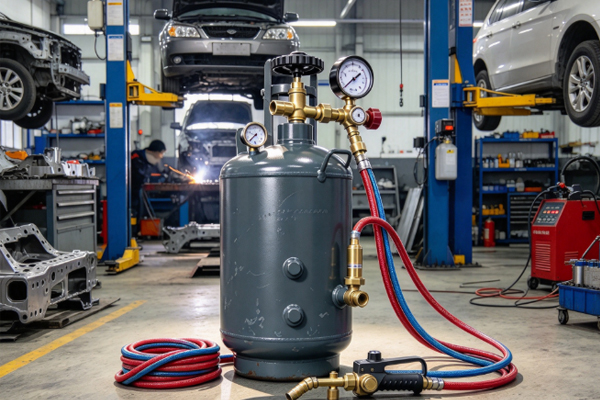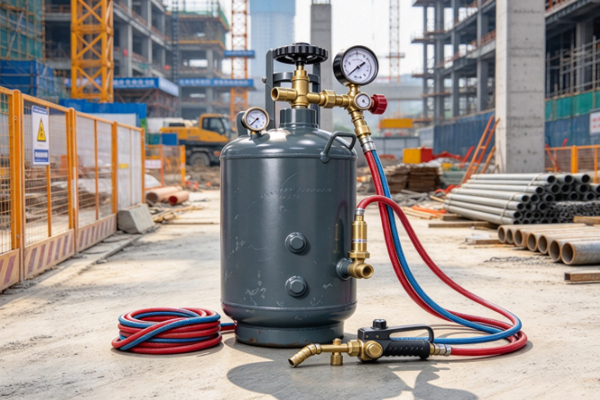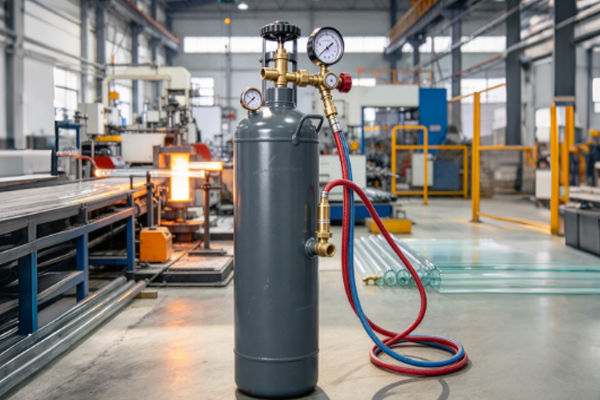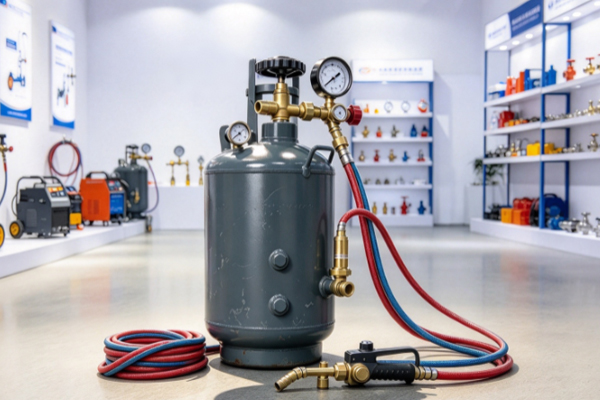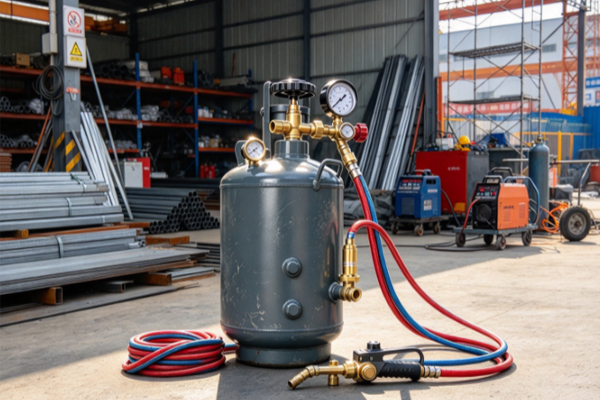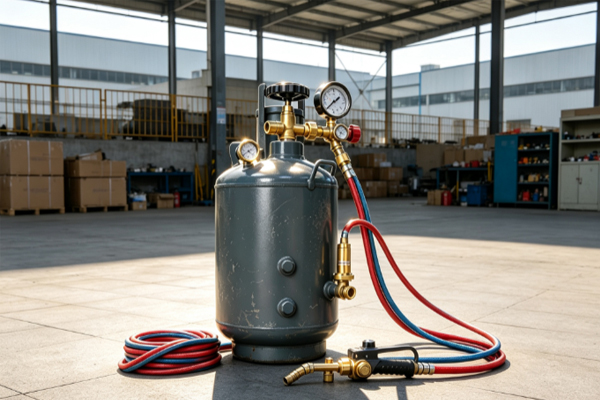
Many companies think that installing an acetylene storage tank only requires preparing an open space in advance. However, problems often appear during the actual installation process, such as the tank not being able to enter the workshop, insufficient space for crane operation, or the foundation not matching the tank dimensions. In most cases, these issues are not caused by the equipment itself but by incomplete measurements before installation. Since an acetylene storage tank is industrial equipment, installation requires more than just considering the tank size. Transportation routes, surrounding space, and future maintenance access all need to be taken into account. Proper measurements in advance can make installation smoother and help avoid delays and additional costs caused by rework.
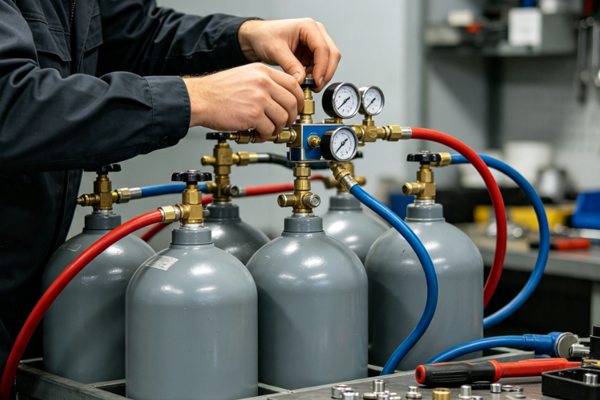
Measure the Installation Area First to Confirm Whether the Acetylene Storage Tank Size Fits
When planning an installation area, many users only check whether there is enough open space and overlook the additional room needed around the tank. In reality, an acetylene storage tank cannot simply be placed in position and left there. Future inspections, maintenance, and pipeline connections also require sufficient working space. If the reserved area is too small, installation can become difficult and daily operation may also be affected.
Before installation, the following dimensions should be measured:
- Measure the length and width of the installation area to confirm that it can accommodate the overall tank dimensions.
- Measure the available height and check whether beams, pipelines, or other obstacles above the area may affect installation.
- Confirm that enough clearance is available around the tank for inspection and maintenance.
Some sites may appear large enough, but after considering valves, pipelines, and maintenance space, the actual available area may become limited. For this reason, measurements should include not only the tank body size but also the surrounding operating space.
Confirm These Dimensions Before Transportation and Lifting
Before installing an acetylene storage tank, it is important to consider not only where the tank will be placed but also how it will be transported into the facility. Many installation delays happen because companies discover transportation or lifting problems only after the equipment has arrived.
Before transportation and lifting, pay special attention to:
- The width and height of factory entrances to ensure the tank and transport vehicle can pass smoothly.
- The width of internal roads and turning areas to make sure delivery vehicles can move into position.
- The size of the lifting area to confirm that cranes have enough space for safe operation.
- The tank length, diameter, and weight to arrange suitable transport vehicles and lifting equipment in advance.
These details should be confirmed during the purchasing stage rather than after manufacturing is complete. Early planning can save a lot of time and prevent unnecessary installation problems.
Foundation and Pipeline Positions Also Need to Be Measured
Besides installation space and transportation conditions, the foundation is another important factor that should not be overlooked. Some companies discover after delivery that the foundation size does not match the tank support structure, requiring additional adjustments that delay the project and increase construction costs.
Before installation, make sure to check:
- Whether the foundation length and width match the tank support structure requirements.
- Whether the ground load capacity can support the tank weight for long-term operation.
- Whether pipeline connection positions are convenient to reduce future modification work.
- Whether valve locations and inlet/outlet directions match actual operating requirements.
These details may seem minor, but they can have a major impact on equipment operation and maintenance. Confirming foundation and connection positions in advance helps ensure a more stable installation.
How to Choose the Right Acetylene Storage Tank Based on Site Dimensions?
The purpose of measuring the installation area is not just to record a few numbers, but to select an acetylene storage tank that truly fits the project requirements. Different factories have different production needs, available spaces, and installation conditions, so there is no single tank size suitable for every application.
When selecting equipment, consider the following points:
- Choose the tank specification based on actual site dimensions instead of focusing only on storage capacity.
- If installation space is limited, discuss possible size optimization options with the manufacturer in advance.
- Consider future production expansion when selecting the tank size.
- Provide the manufacturer with site measurements, operating conditions, and gas requirements to receive more accurate recommendations.
Many companies later need to replace equipment or redo construction, not because of poor product quality, but because the tank size was not properly planned at the beginning. Taking time to measure and communicate before installation can prevent many unnecessary issues.
Measuring dimensions before installing an acetylene storage tank may seem simple, but it directly affects transportation, installation, and long-term operation. By confirming installation space, transportation conditions, and foundation requirements in advance, and selecting the right tank size according to actual needs, companies can ensure better equipment performance. Zhongcheng Gas Cylinde provides acetylene storage tanks in various specifications and professional selection support to help customers choose solutions that better match their site requirements.