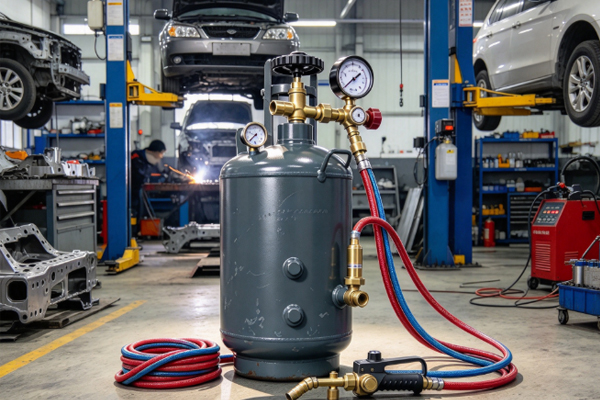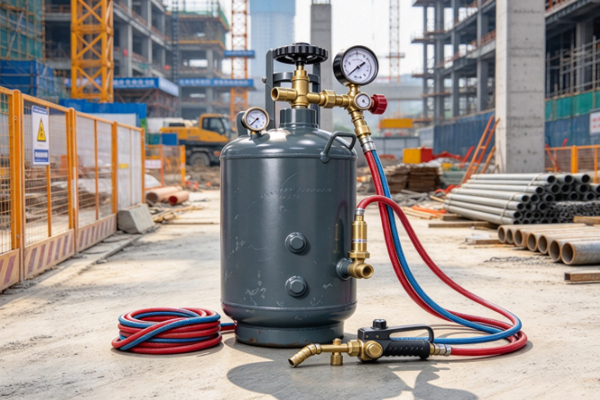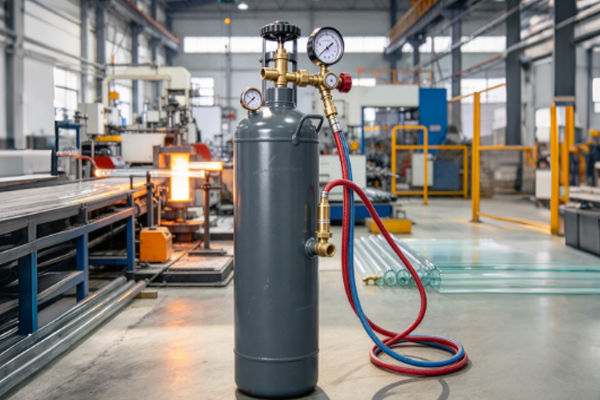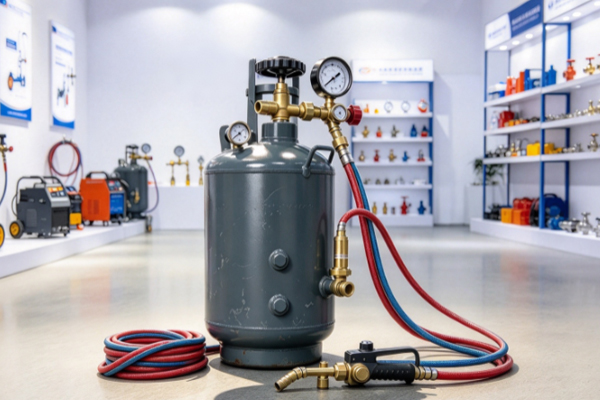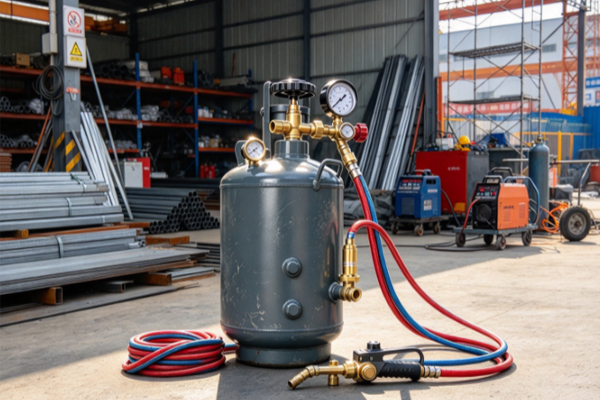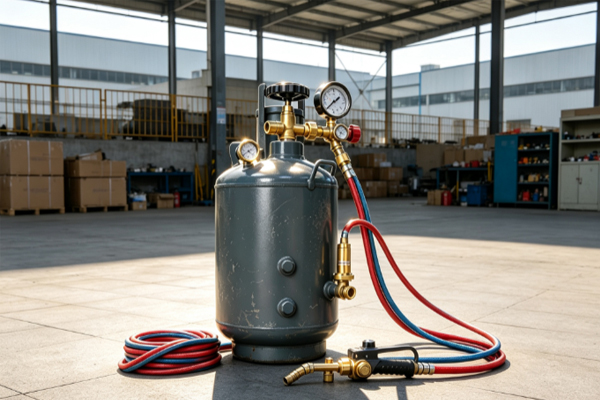
Acetylene cylinders are commonly used in welding, cutting, and industrial processing applications. Correct usage directly affects work efficiency and equipment safety. Since acetylene is a flammable gas, proper procedures are required during storage, connection, valve operation, and daily use. Correct operation not only ensures stable gas output but also reduces equipment damage, gas waste, and operational risks.
In practical production environments, operators need to understand the structure, working principle, operating procedures, and maintenance methods of acetylene cylinders. Suitable usage methods should be selected according to different working requirements. Proper operating procedures allow acetylene cylinders to perform effectively in welding, metal processing, equipment repair, and construction applications while improving service life and management efficiency.
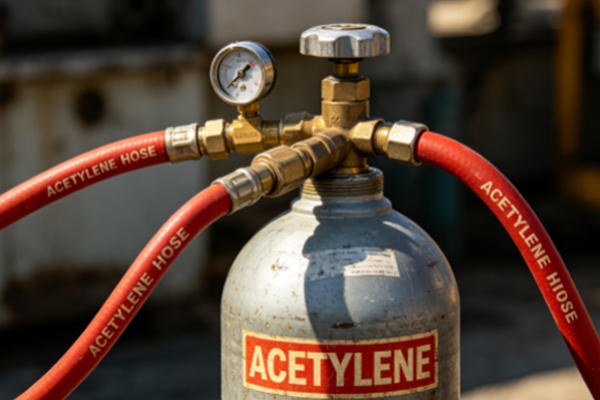
Working Principle of Acetylene Cylinders and Importance of Proper Usage
Acetylene cylinders store dissolved acetylene gas and provide a stable gas source for welding and cutting equipment. The cylinder usually contains porous materials and solvents that allow acetylene to be stored in a safer condition. When the cylinder valve is opened, acetylene gas passes through a pressure regulator, where the pressure is adjusted before being delivered to welding torches or cutting tools.
Correct use of acetylene cylinders helps maintain suitable gas pressure and prevents abnormal gas supply caused by improper operation. During use, factors such as opening the valve too quickly, using unsuitable connection equipment, or storing the cylinder in improper conditions may affect cylinder performance. Standardized operation reduces equipment failures and improves the continuity of welding and cutting work.
An acetylene cylinder is not only a gas container but also an important part of the entire gas supply system. Operators need to understand the cylinder structure and operating principles, inspect equipment before use, monitor pressure changes during operation, and properly close and store the cylinder after work. These practices help maintain stable equipment performance.
Preparation Steps Before Using an Acetylene Cylinder
Before using an acetylene cylinder, complete equipment inspections should be carried out to confirm that the cylinder, valve, pressure regulator, and connecting pipelines are in proper condition. Check whether the cylinder surface has visible damage and confirm that there are no serious corrosion issues, deformation, or abnormal conditions.
Before connecting equipment, keep connection areas clean and prevent dust or contaminants from entering the gas supply system. The pressure regulator should be suitable for acetylene applications, and the connection should be properly secured. After installation, check whether all connection points are stable to prevent gas leakage during operation.
The working area should also be prepared in advance. Ensure proper ventilation and keep the cylinder away from ignition sources, high-temperature equipment, and areas where sparks may occur. Operators should understand the operating procedures and wear appropriate protective equipment.
Proper preparation before use helps identify equipment problems in advance, reduces operational risks, and allows acetylene cylinders to operate more reliably.
What Are the Correct Operating Steps for an Acetylene Cylinder?
The operation process of an acetylene cylinder should follow proper procedures. Each step affects equipment performance and gas supply stability. Correct operation improves gas utilization efficiency and reduces potential safety risks.
Important operating steps include:
- Check cylinder placement condition:Confirm that the acetylene cylinder remains upright during use and is properly secured to prevent tipping.
- Connect the pressure regulator:Install the pressure regulator correctly on the cylinder valve connection and check sealing performance.
- Open the cylinder valve slowly:Operate the valve gradually to allow gas to enter the pressure regulator smoothly and avoid sudden pressure changes.
- Adjust output pressure:Set the gas pressure according to welding or cutting equipment requirements to achieve suitable gas flow.
- Monitor operating conditions:Observe whether gas output remains stable during operation and stop work if abnormal conditions appear.
- Close equipment after operation:Close the cylinder valve after completing work, release remaining pressure from pipelines, and store the equipment properly.
Following these operating procedures improves acetylene cylinder efficiency, reduces equipment problems, and ensures a stable and reliable gas supply.
What Precautions Should Be Followed During Acetylene Cylinder Use?
During acetylene cylinder operation, attention should be paid to equipment conditions and environmental changes. The working area should remain well ventilated to prevent acetylene gas accumulation. Cylinders should not be struck, dropped, or placed near high-temperature sources or direct sunlight for long periods.
When connecting welding equipment, confirm that pipelines and accessories meet usage requirements. Avoid using damaged hoses or aged components. Operators should monitor pressure changes, and if abnormal pressure, connection leakage, or unstable operation occurs, work should be stopped immediately for inspection.
When moving acetylene cylinders, proper handling methods should be used to prevent strong vibration or impact to the valve area. During storage, cylinders should be placed in designated areas and kept away from incompatible materials.
For long-term use, cylinder maintenance should also be considered. Regular inspection of the cylinder body, valve, and accessories helps identify potential problems and improves equipment reliability.
Daily Maintenance and Management Methods for Acetylene Cylinders
Maintaining acetylene cylinders in good condition requires proper daily maintenance and management. Effective management methods reduce equipment wear, improve safety, and extend cylinder service life.
Recommended maintenance practices include:
- Inspect cylinder condition regularly:Check whether the cylinder surface has corrosion, damage, or abnormal changes, and handle problems promptly.
- Maintain valves and accessories:Inspect cylinder valves, pressure regulators, and connection components to ensure normal operation.
- Maintain proper storage conditions:Store acetylene cylinders in dry and well-ventilated areas to prevent environmental damage.
- Record equipment usage information:Keep records of inspection dates, maintenance activities, and equipment conditions for better management.
- Perform required inspections:Arrange cylinder inspections according to applicable requirements to ensure continued safe use.
Through proper maintenance and scientific management, acetylene cylinder safety can be improved and equipment failures can be reduced. Combining correct operation, regular inspection, and proper storage allows acetylene cylinders to provide stable gas support for welding, cutting, and industrial processing applications.