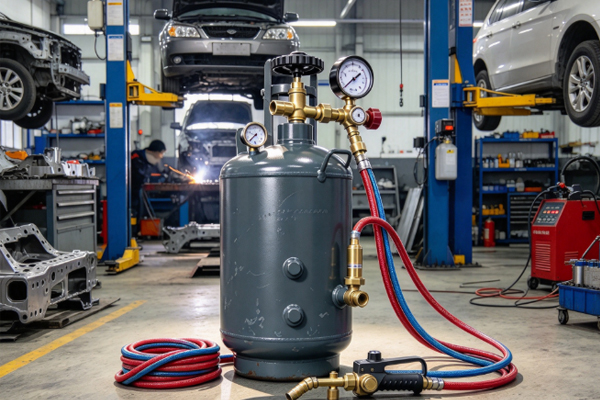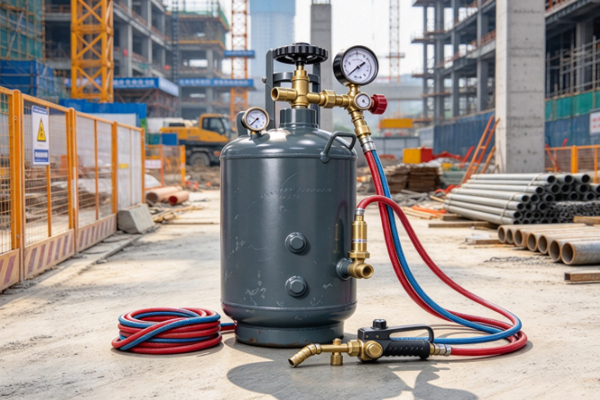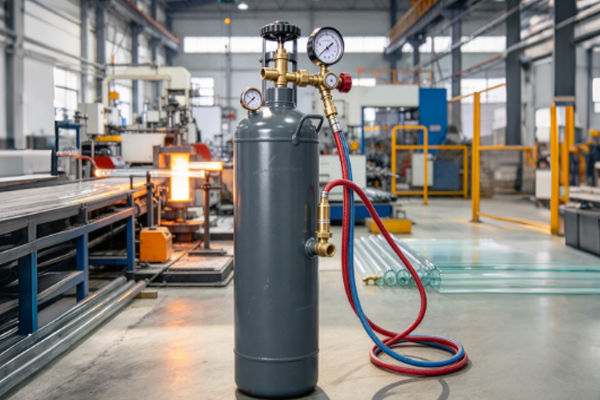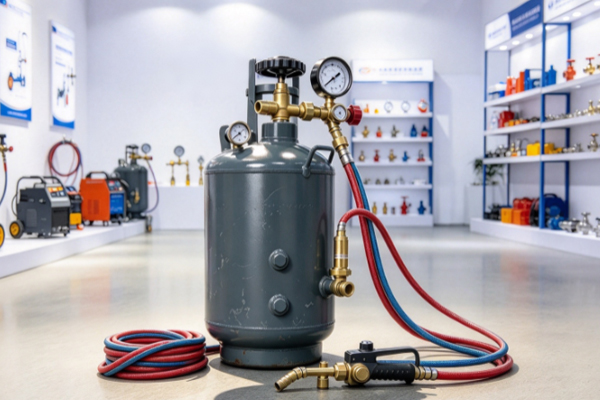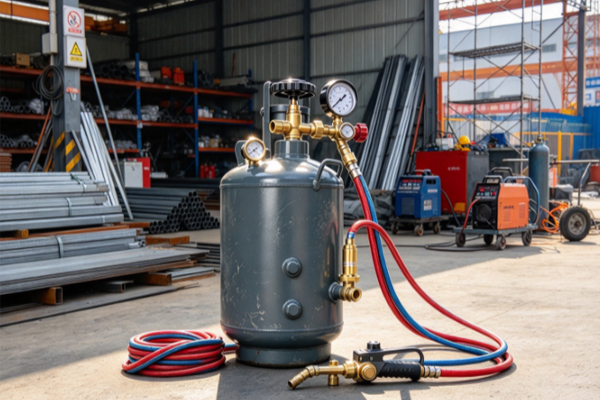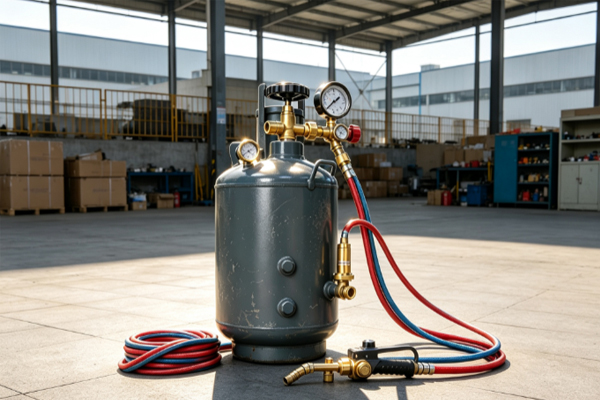
The acetylene cylinder valve is an important component responsible for controlling gas flow and ensuring normal cylinder operation. Its working condition directly affects gas supply stability and equipment safety. During long-term use, the valve may be affected by dust, humid environments, mechanical impact, and frequent opening and closing operations, which can lead to reduced sealing performance, difficult operation, or connection problems. Proper valve maintenance helps reduce gas leakage risks, improve acetylene cylinder efficiency, and extend equipment service life. In welding, cutting, and industrial processing applications, regular inspection and maintenance ensure more stable gas supply. Effective maintenance requires attention to routine checks, cleaning procedures, operating habits, and storage conditions, allowing the acetylene cylinder valve to maintain reliable performance.
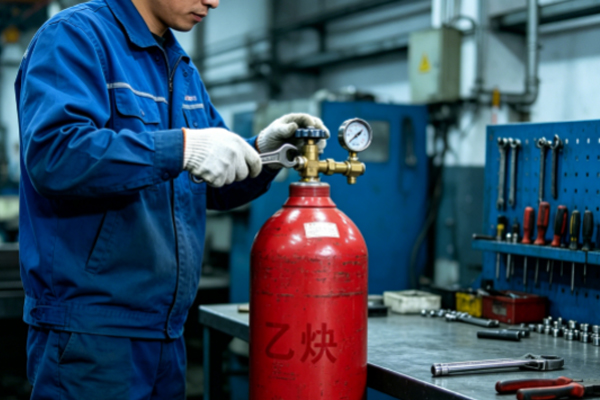
Importance of Acetylene Cylinder Valve Maintenance
The acetylene cylinder valve plays an important role in regulating gas flow and controlling gas release. A properly functioning valve ensures stable gas supply during operation. Without regular maintenance, internal components may experience wear, sealing structures may deteriorate, and gas output may become unstable or connection problems may occur.
During daily operation, valves are frequently opened and closed, which increases wear between internal components. If the working environment contains dust, moisture, or corrosive substances, the valve surface and internal structure may also be affected. Regular maintenance helps identify abnormal conditions early and prevents minor problems from developing into equipment failures.
Good valve maintenance practices improve acetylene cylinder reliability and help operators understand equipment conditions. By checking valve flexibility, sealing performance, and external appearance, potential problems can be addressed in advance, ensuring stable performance during welding and cutting operations.
Daily Inspection and Maintenance Methods for Acetylene Cylinder Valves
Daily acetylene cylinder valve maintenance should be arranged according to usage frequency and working conditions. Before each use, operators should inspect the valve appearance to confirm that there are no visible damages, corrosion issues, or abnormal conditions. During opening and closing operations, the valve should operate smoothly without sticking or excessive resistance.
The valve connection area should be kept clean to prevent dust and contaminants from entering the connection points. Long-term accumulation of dirt may affect connection quality and reduce sealing performance. Proper cleaning tools should be used during maintenance, and hard objects that may damage the valve surface should be avoided.
During maintenance, the connection between the valve and pressure regulator should also be checked. Confirm that the connection remains secure and inspect whether abnormal sounds or gas leakage occur during operation. If problems are detected, operation should be stopped and the equipment should be inspected.
Regular maintenance helps operators understand valve conditions, reduce equipment problems, and improve the stability of acetylene cylinder operation.
Important Details for Acetylene Cylinder Valve Maintenance
Valve maintenance requires regular inspection as well as careful attention to operating details. Proper maintenance procedures help prevent valve damage and improve long-term equipment performance.
Important maintenance practices include:
- Keep the valve surface clean:Remove dust and contaminants regularly to prevent impurities from affecting valve operation and connection performance.
- Check valve sealing performance:Inspect connection areas for abnormal conditions and handle sealing problems promptly to maintain proper gas control.
- Avoid forceful valve operation:Open and close the valve smoothly without using tools to force rotation, preventing damage to internal components.
- Prevent external impact damage:Protect the valve area during transportation and storage to avoid deformation or damage caused by collisions.
- Maintain inspection records:Record inspection dates, identified problems, and maintenance actions for better equipment management.
Following these maintenance details improves acetylene cylinder valve stability and reduces operational problems. Proper management and timely inspections are essential for reliable long-term valve performance.
Factors Affecting the Service Life of Acetylene Cylinder Valves
The service life of acetylene cylinder valves is affected by various practical conditions. Working temperature, humidity, usage frequency, and operating methods can influence valve performance. When stored in humid environments for long periods, valve surfaces may develop corrosion, affecting appearance and structural condition.
Frequent opening and closing operations increase internal component wear, requiring more careful inspection for equipment used regularly. Incorrect operation is also an important cause of valve damage. Rapid opening, improper closing methods, or impacts during transportation may reduce equipment reliability.
Storage conditions also influence valve performance. Acetylene cylinders should be placed in well-ventilated areas and protected from rain, excessive heat, and corrosive environments. Proper storage management reduces external damage to valve components.
By improving operating habits, optimizing storage conditions, and strengthening routine inspections, the service life of acetylene cylinder valves can be extended, allowing equipment to maintain stable working performance.
Long-Term Maintenance Management Methods for Acetylene Cylinder Valves
Long-term maintenance management helps companies establish effective equipment management procedures and maintain acetylene cylinder valve performance. Continuous monitoring of equipment conditions reduces failure risks and improves daily operational efficiency.
Recommended management methods include:
- Create inspection schedules:Arrange regular inspection times according to equipment usage frequency to ensure valve conditions are monitored properly.
- Standardize operating procedures:Train operators to open and close valves correctly, reducing damage caused by improper handling.
- Improve storage conditions:Keep storage areas dry and ventilated to protect valve performance from environmental effects.
- Handle abnormal problems promptly:Stop using equipment and conduct inspections when valve operation problems, connection issues, or leakage are detected.
- Adjust maintenance plans according to usage conditions:Modify maintenance schedules based on actual workload and operating intensity to improve management efficiency.
By establishing a complete valve maintenance system combined with regular inspections and proper operation methods, the overall safety performance of acetylene cylinders can be improved. Reliable gas supply can be maintained to support welding, cutting, and industrial production activities.