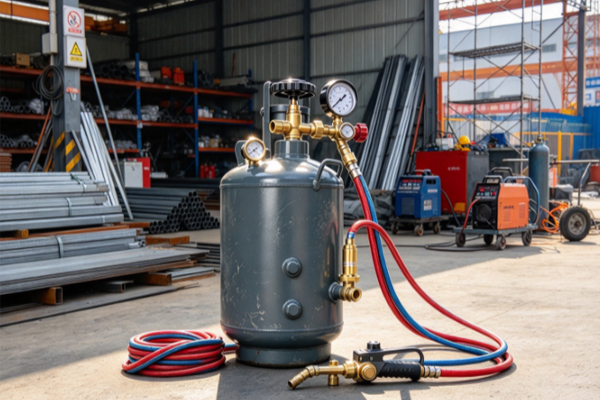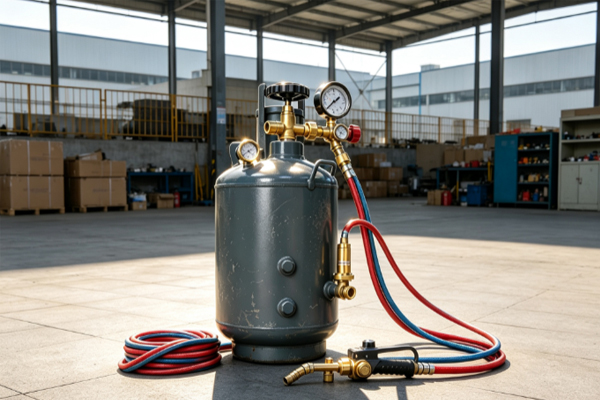
Choosing the right acetylene cylinder capacity is an important consideration in welding, cutting, and industrial processing applications. Different working environments, equipment types, and usage frequencies create different acetylene gas requirements. An unsuitable cylinder capacity may result in frequent replacements, insufficient gas supply, or difficulties in storage management. A properly selected acetylene cylinder capacity improves work continuity, reduces downtime, and makes transportation and storage easier. In practical applications, capacity selection should be based on work requirements, equipment compatibility, operating duration, and site conditions. A suitable capacity allows the cylinder to meet production needs while maintaining effective safety management. Proper capacity planning helps improve efficiency and ensures more stable welding and cutting operations.
What Basic Factors Should Be Considered When Choosing Acetylene Cylinder Capacity?
When selecting acetylene cylinder capacity, actual gas consumption requirements should be carefully evaluated. Different welding and cutting tasks consume different amounts of acetylene. Small repair jobs usually require shorter operating periods and lower gas storage capacity, while large industrial projects require longer continuous operation and more stable gas supply.
Equipment type is also an important factor affecting capacity selection. Different welding torches, cutting tools, and gas equipment have different acetylene flow requirements. If the cylinder capacity is too small, frequent replacements may interrupt operations. If the capacity is too large, transportation difficulty and storage management pressure may increase.
Working environment conditions should also be considered. Fixed production workshops usually have stable storage and operating conditions, allowing companies to select larger capacity cylinders according to production schedules. Construction sites that require frequent equipment movement need to balance cylinder weight, transportation convenience, and operational flexibility.
By evaluating actual usage requirements, users can select acetylene cylinder capacities that improve efficiency while reducing management costs.
What Applications Are Suitable for Different Acetylene Cylinder Capacities?
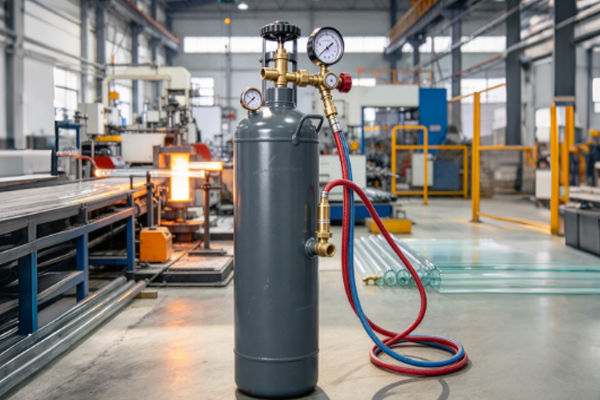
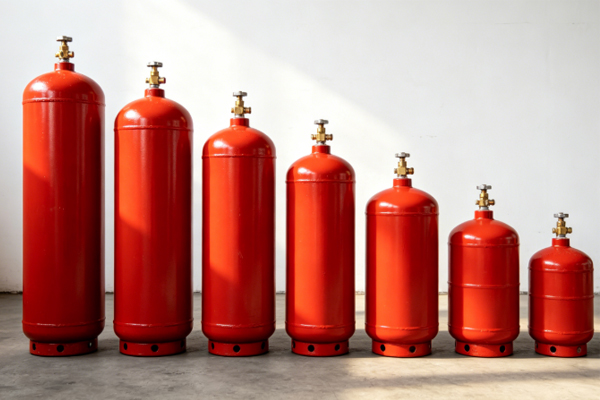
Acetylene cylinders are available in various capacity specifications, and different sizes are suitable for different working environments. Small-capacity acetylene cylinders are commonly used for mobile operations, maintenance services, and short-term welding tasks. They are easy to transport and require less storage space. Medium-capacity cylinders are suitable for standard processing workshops, mechanical repair areas, and routine welding operations, providing longer operating time. Large-capacity acetylene cylinders are more suitable for industrial production lines, steel fabrication, and large equipment manufacturing where continuous gas supply is required.
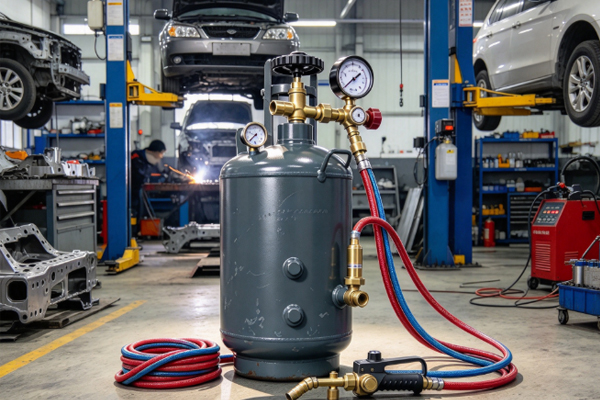
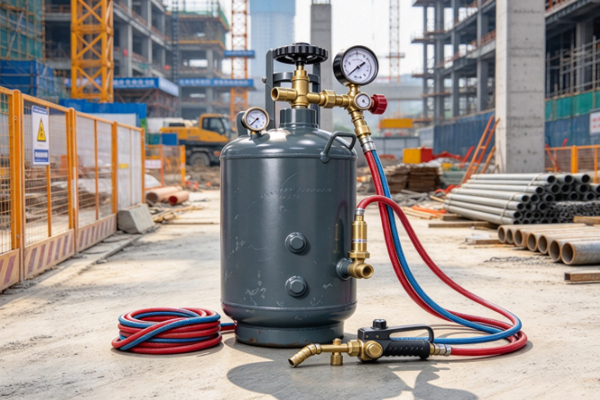
In automotive repair industries, workers often perform localized welding and cutting tasks, making medium-sized cylinders a practical choice for flexible operations. Manufacturing companies usually require longer operating periods and need to select capacities according to daily production requirements to reduce frequent cylinder changes. Construction sites need to consider transportation conditions and available space when selecting cylinder capacity to ensure safe movement and operation.
Different applications require different capacity choices. The selection process should balance operating time, transportation conditions, and equipment requirements to achieve better performance.
What Should Be Considered When Selecting Acetylene Cylinder Capacity?
Choosing acetylene cylinder capacity affects not only work efficiency but also equipment management and operational safety. Proper evaluation of actual requirements helps avoid problems caused by unsuitable cylinder selection.
Important considerations include:
- Select capacity according to operating duration:For long working periods, larger-capacity cylinders can reduce replacement frequency and improve workflow continuity.
- Consider equipment gas consumption:Different welding torches and cutting tools consume acetylene at different rates, so capacity should match equipment requirements.
- Evaluate transportation and mobility needs:For frequent mobile operations, cylinder weight and handling convenience should be considered to avoid difficulties during use.
- Consider storage space conditions:Larger cylinders may be suitable for fixed storage areas, while limited spaces require more compact options.
- Match capacity with usage frequency:High-frequency applications require suitable cylinder sizes, while occasional use may benefit from more flexible choices.
Accurately evaluating these factors helps users select appropriate acetylene cylinder capacities, improve equipment utilization, and simplify daily management.
How Does Acetylene Cylinder Capacity Selection Affect Work Efficiency?
The correct acetylene cylinder capacity directly affects the continuity of welding and cutting operations. Smaller cylinders are easier to transport, but frequent replacement during long working periods may interrupt operations and reduce productivity. Larger cylinders provide longer gas supply periods and are suitable for continuous production environments, but storage space, transportation conditions, and safety management requirements must also be considered.
For industrial manufacturing companies, suitable capacity selection helps maintain stable production schedules and reduces work interruptions caused by insufficient gas supply. For maintenance workers and construction teams, choosing a capacity suitable for mobile operations improves workplace efficiency. Cylinder capacity also influences inventory management. Too many different specifications may increase management complexity, so capacity planning should be based on actual requirements.
The largest capacity is not always the best choice. The most suitable option is the one that matches working conditions, operational needs, and management requirements. Proper planning improves convenience and increases overall productivity.
How to Develop an Acetylene Cylinder Capacity Plan Based on Actual Needs?
Developing an acetylene cylinder capacity plan requires consideration of production schedules, equipment quantity, and working environments. Scientific planning helps reduce resource waste and improves gas equipment management.
Recommended approaches include:
- Record daily gas consumption:Track daily or weekly acetylene usage to select appropriate cylinder capacities based on actual demand.
- Evaluate equipment quantity:Consider the number of welding torches and cutting tools to ensure sufficient gas supply.
- Prepare backup cylinder plans:Maintain backup equipment according to production continuity requirements to reduce downtime during replacements.
- Adjust according to workplace conditions:Select suitable capacities based on workshop space, construction environments, and transportation methods.
- Optimize capacity planning regularly:Update cylinder configurations according to production changes and current operational requirements.
By selecting acetylene cylinder capacity scientifically and adjusting plans according to actual usage conditions, companies can improve gas supply stability, reduce equipment management pressure, and provide reliable support for welding, cutting, and industrial processing operations.