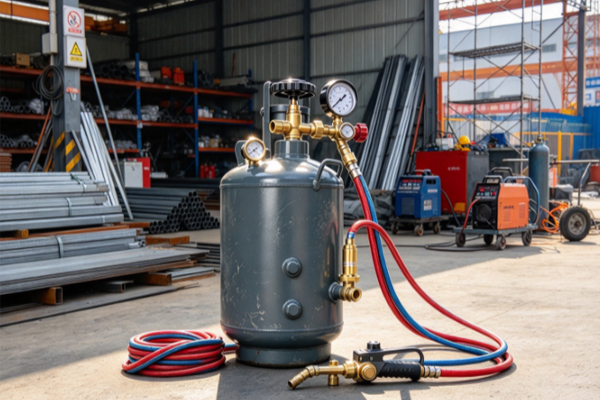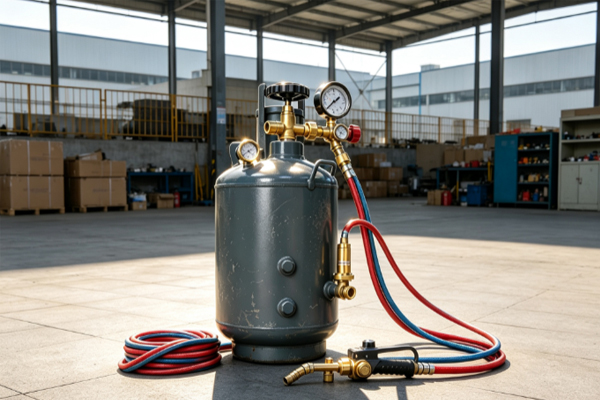
The correct connection between an acetylene cylinder and a welding torch is the foundation of successful gas welding and cutting operations. The connection process not only determines whether gas can be delivered steadily but also affects welding quality, equipment lifespan, and workplace safety. Since acetylene is a flammable gas, the pressure regulator, gas hose, and welding torch should all be inspected before installation, and every connection step should follow standard operating procedures.
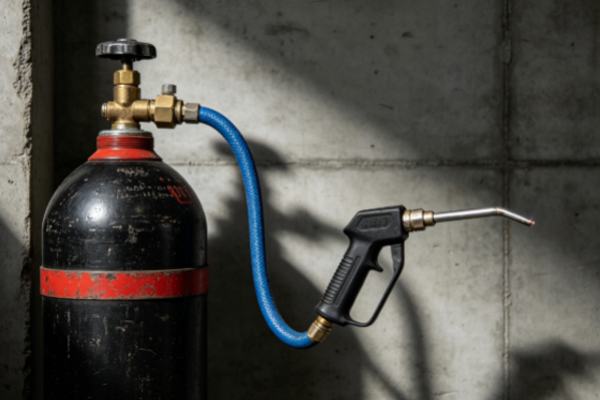
Whether in machinery manufacturing, steel fabrication, equipment maintenance, or construction projects, connecting an acetylene cylinder to a welding torch correctly helps maintain stable gas flow, improves work efficiency, and minimizes equipment problems caused by improper installation.
What Preparations Should Be Made Before Connecting the Welding Torch?
Before connecting the welding torch, the acetylene cylinder and all supporting equipment should be carefully inspected to ensure they are suitable for operation. The cylinder should remain in an upright position and be securely fastened to prevent tipping during installation. The cylinder body should be free from obvious impact damage, severe corrosion, or deformation, and the valve should be clean without dust or debris.
The pressure regulator, gas hose, welding torch, and connection fittings should all be designed specifically for acetylene service. Sealing components should be checked carefully to confirm that they are not aged, cracked, or damaged. The working area should also provide good ventilation and remain away from open flames, high-temperature equipment, and combustible materials.
Completing these preparation steps before installation helps reduce connection failures and ensures stable gas delivery during welding operations.
How Does the Connection System Between an Acetylene Cylinder and a Welding Torch Work?
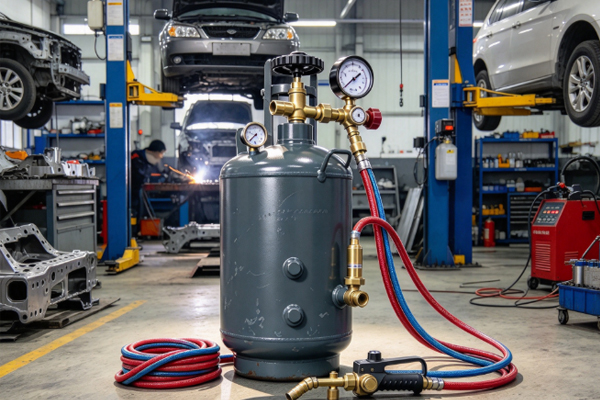
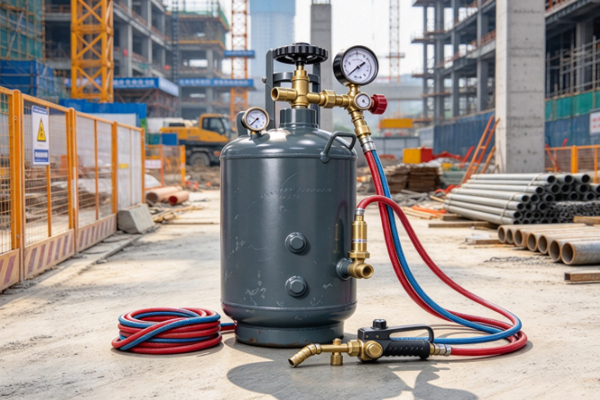
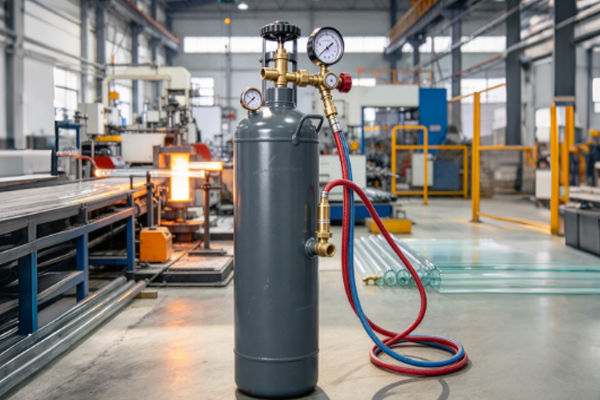
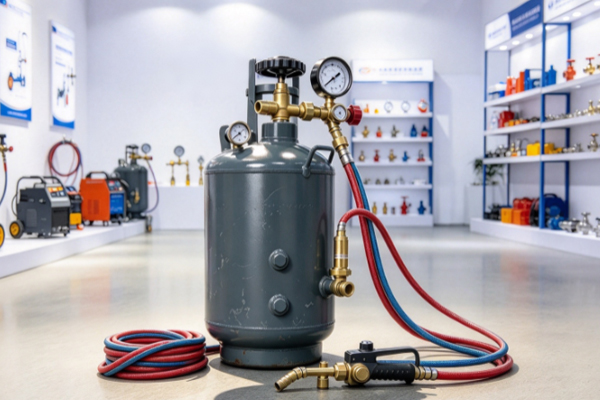
An acetylene cylinder stores dissolved acetylene gas. After the cylinder valve is opened, the gas passes through the pressure regulator, which reduces the pressure to a suitable working level before the gas flows through the hose and reaches the welding torch. The pressure regulator controls outlet pressure to provide a steady gas supply and prevent pressure fluctuations from affecting flame performance.
The welding torch mixes the gas to produce a stable flame for welding, cutting, heating, and other industrial applications. The complete gas supply system consists of the acetylene cylinder, cylinder valve, pressure regulator, gas hose, flashback arrestor, and welding torch. Each component performs a specific function that contributes to safe and efficient operation.
The quality of every connection directly affects the performance of the entire gas supply system. Poor sealing, incorrect installation, or improper pressure adjustment may result in unstable gas flow and reduced welding quality. Understanding how the gas delivery system operates helps operators install equipment correctly and maintain reliable performance.
How to Connect an Acetylene Cylinder to a Welding Torch Correctly
The connection process should follow the proper sequence, and every completed step should be inspected before moving to the next stage. Careful installation helps ensure secure connections and stable gas delivery.
The recommended connection procedure includes:
- Secure the acetylene cylinder in an upright position:Place the cylinder vertically and use appropriate restraints to prevent movement or tipping.
- Install the acetylene pressure regulator:Attach the regulator to the cylinder valve, making sure the connection matches correctly and is tightened securely without excessive force.
- Connect the gas hose:Attach the acetylene hose to the outlet of the pressure regulator, then connect the opposite end securely to the welding torch.
- Install the flashback arrestor:Fit the flashback arrestor according to equipment requirements to improve the safety and stability of the gas supply system.
- Open the cylinder valve slowly:Gradually open the valve and carefully adjust the pressure regulator until the desired working pressure is reached.
- Check for gas leakage:Inspect every connection using an appropriate leak detection method and confirm that no leakage is present before beginning work.
Following these standard installation procedures helps improve gas supply stability, reduces installation errors, and allows welding equipment to operate efficiently. After installation, operators should continue monitoring the system throughout the operation.
What Should Be Considered During the Connection Process?
During installation, damaged or worn hoses and accessories should never be used. Connection fittings of different specifications should not be mixed. When installing the pressure regulator, tools or components contaminated with oil or grease should be avoided, and all connection surfaces should remain clean to maintain reliable sealing performance.
The cylinder valve should always be opened slowly to prevent sudden pressure changes that could affect the regulator. After completing the connection, verify that the welding torch operates normally and that the hose is free from twisting, compression, or contact with sharp objects. During operation, monitor the pressure gauge continuously. If abnormal pressure or unstable gas flow occurs, stop operation immediately and inspect the system.
After work is completed, close the welding torch and cylinder valve in the correct order, release any remaining gas from the hose, and then disconnect equipment if necessary. Proper installation and shutdown procedures help protect equipment and reduce future maintenance requirements.
How to Maintain a Stable Connection Between the Acetylene Cylinder and the Welding Torch
To ensure long-term equipment performance, the complete gas connection system should receive routine inspection and maintenance. Good maintenance practices reduce equipment failures and improve overall operating efficiency.
Recommended maintenance practices include:
- Inspect connection fittings regularly:Check connectors, sealing rings, and fastening components to ensure they remain in good condition and replace worn parts promptly.
- Maintain gas hoses properly:Inspect hoses for aging, cracks, deformation, or other damage that may affect gas delivery.
- Maintain pressure regulator performance:Verify that the regulator adjusts smoothly and provides stable pressure with accurate gauge readings.
- Keep equipment clean:Remove dust and debris from valves, welding torches, and connection points to prevent contamination from entering the gas system.
- Maintain equipment inspection records:Record maintenance activities and inspection results to support future servicing and equipment management.
Routine maintenance keeps the connection system between the acetylene cylinder and welding torch operating reliably, improves the continuity of welding and cutting operations, and helps extend the service life of the entire gas supply system.