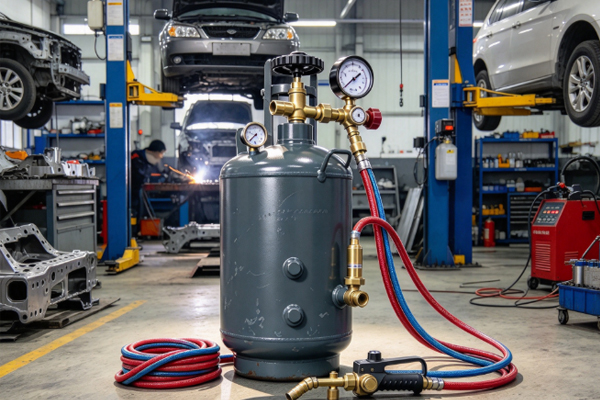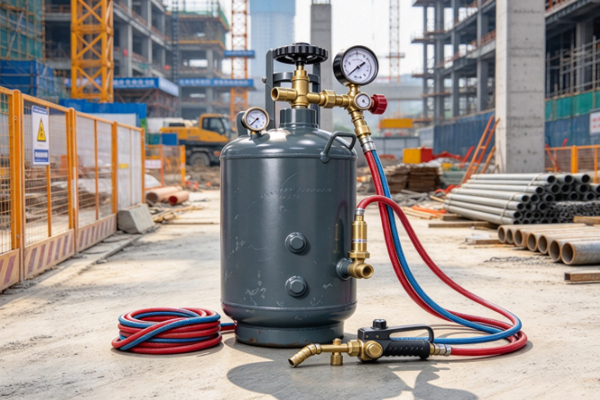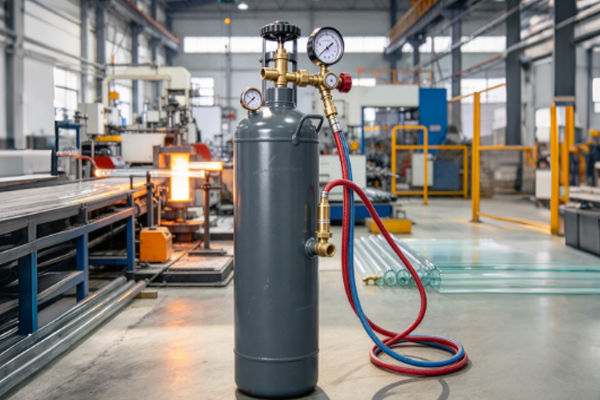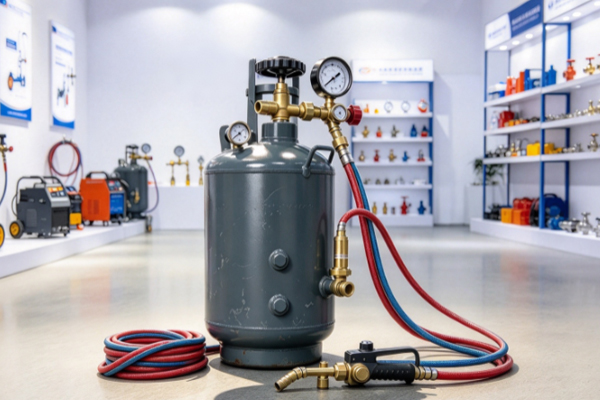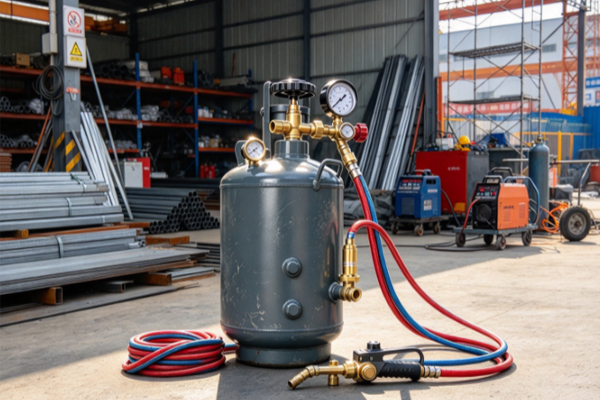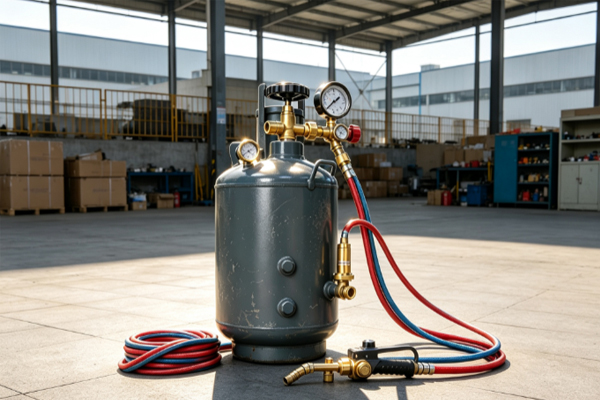
After an acetylene tank is put into use, many companies focus more on restoring gas supply as quickly as possible and getting production back on track, while easily overlooking the details of the installation stage. In fact, installation quality not only affects the smoothness of the gas line and pressure stability, but also directly influences the convenience of later maintenance and the stability of equipment operation. Whether it is the standardization of interface handling, the firmness of the fixing method, the valve condition, or the on-site environmental conditions, if any one of these is not properly handled, gas supply stability is likely to be affected, and industrial gas equipment management will become more passive.
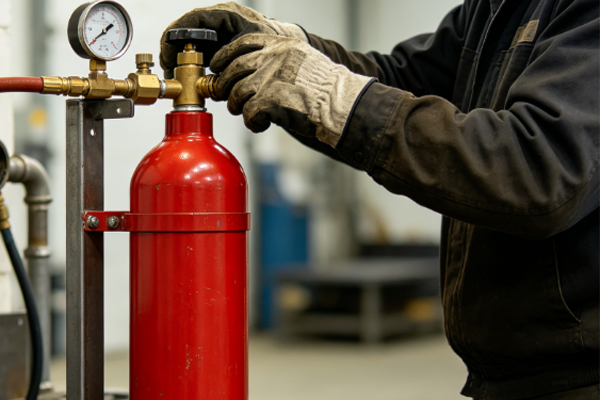
Why Installation Quality of Acetylene Tanks Affects Gas Supply Stability
The installation stage may seem like basic construction, but in reality it determines whether the starting point of subsequent equipment operation is reliable. Many companies pay more attention to whether the equipment has been “installed,” while overlooking whether it has been “installed properly,” and these two standards do not have the same impact on gas supply stability.
Interface and sealing conditions determine the smoothness of the gas line
During acetylene tank installation, the tightness of the interface connection is directly related to the continuity of gas transmission and also affects the overall performance of the equipment during operation.
- Loose joints make the gas line more prone to fluctuations, and the gas supply rhythm will also be affected.
- If the sealing components do not fit properly, even minor abnormalities will gradually magnify during continuous operation and eventually affect gas supply performance.
- An improper valve installation angle not only affects the feel of operation, but also reduces the accuracy of opening and closing response.
The more carefully the interfaces and seals are handled, the easier it is for the acetylene tank to maintain stable operation later on, and the more confident the company will be in gas supply management.
The fixing method affects the operating condition of the equipment
Installing an acetylene tank is not just a matter of “putting it in place”; it also depends on the stability of the equipment, its placement posture, and the convenience of later use. These details all affect long-term operating performance.
- If the equipment is not placed stably enough, it is more likely to shake or shift during operation.
- Improper fixing will cause the pipeline to bear additional stress over time, which is not conducive to gas supply stability or equipment lifespan.
- An unreasonable installation location will also increase the difficulty of inspection and maintenance, affecting on-site management efficiency.
The more standardized the fixing method, the more reliable the equipment will be during long-term use, and the easier it will be for the company to manage on a daily basis.
Practical Problems Caused by Improper Installation
Once installation quality has flaws, problems often emerge in various forms during later use, and many of them are not obvious at the beginning but gradually appear after a period of operation.
Gas supply fluctuations are more likely to occur
If the installation is handled roughly, companies often encounter unstable gas supply after formal use begins, and such fluctuations often directly affect the production rhythm.
- When gas output rises and falls unpredictably, the operating condition of on-site equipment will be affected.
- Inconsistent pipeline pressure makes it more difficult for operators to judge the equipment status.
- Once the operating experience of the equipment deteriorates, on-site management pressure will also increase accordingly.
Improper installation often turns small hidden risks into direct causes of gas supply fluctuations, ultimately affecting not only the equipment itself but also the stability of the entire production process.
Later maintenance frequency increases significantly
If installation quality is poor, many problems will be left to be dealt with later. Once these problems recur repeatedly, the maintenance workload will naturally increase as well.
- If some minor issues keep recurring, the number of inspections and repairs will increase significantly.
- If the equipment status is not clear enough, more time will be needed to identify the cause during troubleshooting.
- Maintenance personnel need to invest more effort in dealing with these recurring abnormalities, and the company’s overall management costs will also rise accordingly.
The more standardized the initial installation, the more time and labor can be saved in later maintenance, allowing the company to focus more on normal production.
Production arrangements are more likely to be disrupted
Unstable gas supply from an acetylene tank affects not only the equipment itself, but also the entire production plan. This impact is especially noticeable in companies with tight production schedules. Originally planned processes may have to be adjusted due to temporary shutdowns, on-site coordination becomes more complicated, and rework and reinspection take up additional time, further slowing down overall progress. Managers also have more matters to handle, and the production rhythm is more easily disrupted.
Key Points to Focus on During Acetylene Tank Installation
Installation acceptance should not only look at whether the surface work appears complete, but also whether the key details are truly in place, because what really affects later operation is often these easily overlooked parts.
Confirm the foundation position and level condition
The stability of the installation foundation is directly related to the smoothness of later operation of the acetylene tank and also affects the stable performance of the equipment during long-term use.
- The ground load-bearing capacity must meet the usage requirements; otherwise, the equipment is likely to become unstable during long-term operation.
- The equipment should be kept as level as possible during placement to avoid tilting or shifting.
- Sufficient surrounding space should be reserved so that daily inspections are convenient and later maintenance and emergency handling can proceed more smoothly.
Only when the foundation position and level condition are properly confirmed can a solid basis be laid for stable later operation, while also reducing many unnecessary management problems.
Valves, joints, and sealing components should be checked one by one
Although these parts may seem small, they are actually the core points affecting gas supply stability. If any one of them is not properly handled, the overall operating effect may be affected.
- The smoothness of valve opening and closing must be confirmed promptly after installation, as this directly affects the convenience and response accuracy of later operation.
- The firmness of joint connections needs to be checked one by one; it is not enough to judge by appearance alone, but the connection status must be truly confirmed as stable.
- The integrity of sealing components must also be carefully inspected to avoid putting the equipment into use with hidden risks. Otherwise, once problems occur later, they will be more troublesome to handle.
Only by checking valves, joints, and sealing components one by one can uncertainties after commissioning be minimized and equipment operation be better guaranteed.
The on-site environment should also be included in installation acceptance
The installation quality of an acetylene tank is not only about the equipment itself; on-site environmental conditions are equally important, because the suitability of the environment directly affects later use and management results.
- Ventilation conditions must meet usage requirements; otherwise, the operating environment of the equipment may not be ideal, and later management will also be affected.
- Surrounding collision risks should be identified in advance to prevent external interference during use, which could affect stability and service life.
- The degree to which the site is convenient for inspection and record-keeping also affects later management results, especially in scenarios requiring long-term maintenance, where this point cannot be ignored.
Only when the on-site environment passes acceptance can the installation truly meet long-term usage requirements and make later company management smoother.
How Companies Can Manage Installation Quality
To truly implement installation quality, it requires the coordination of systems, records, and on-site management. Only by connecting these links together can installation quality move beyond the level of “it looks finished” and truly serve stable later operation.
Establish an installation acceptance checklist
Standardizing the inspection items makes it easier to control the installation quality of acetylene tanks and gives on-site acceptance a clearer basis. Companies can organize items such as foundation position, equipment fixing, valve condition, joint connections, sealing status, and on-site environment into a unified checklist, confirm each item one by one, and keep records. This not only facilitates on-site acceptance but also helps track problems and assign responsibility later.
Keep records and handover properly
Retaining documentation after installation can provide a basis for later gas supply stability management and make coordination between different positions smoother.
- The equipment status should be recorded clearly so that if abnormalities occur later, it will be easier to trace the change process and the source of the problem.
- Handover content should be as complete as possible to avoid affecting later use and maintenance arrangements due to missing information.
- Once abnormalities occur, complete records and handover information can also help improve handling efficiency.
The more complete the records and handover are, the easier later management will be to connect, and the more worry-free the company’s equipment management will be.
Adjust the installation plan according to the usage scenario
Different companies have different site conditions, so acetylene tank installation cannot simply copy the same approach. Instead, it must be adjusted according to actual conditions to truly match usage needs.
- If the usage frequency is relatively high, more attention should be paid to connection stability and installation details.
- If the site environment is relatively complex, protection and inspection should be strengthened.
- If the production rhythm is relatively tight, it is even more suitable to eliminate hidden risks before commissioning.
Only by adjusting the installation plan according to the actual scenario can the equipment better fit the company’s real needs and make gas supply management more stable and reliable.
The installation quality of an acetylene tank may seem like just a construction step, but in reality it is directly related to gas supply stability, on-site safety, and later management efficiency. By making installation acceptance more detailed, keeping records complete, and resolving problems before commissioning, companies can arrange production more calmly and are less likely to be forced into passive adjustments due to equipment issues. Zhongcheng Gas Tank provides professional acetylene tank and industrial gas equipment solutions to help companies make installation, acceptance, and operation management more stable.