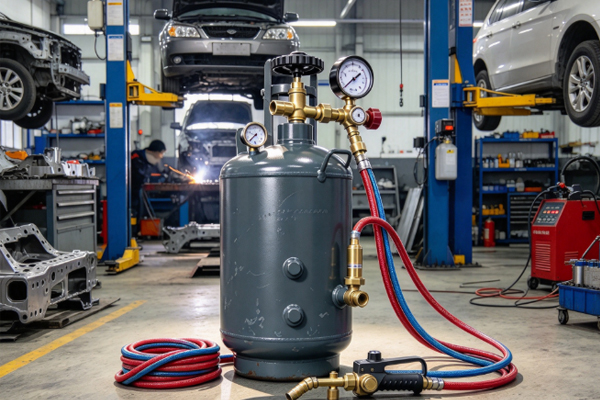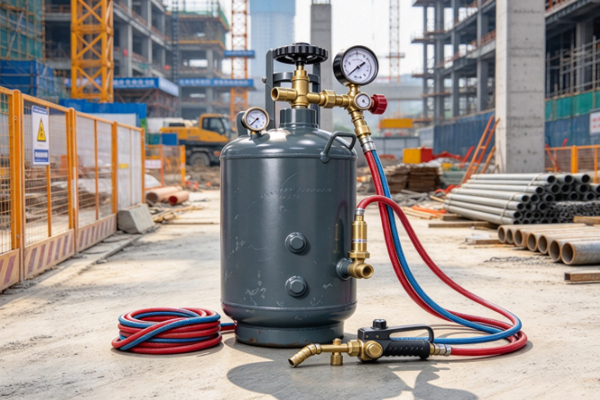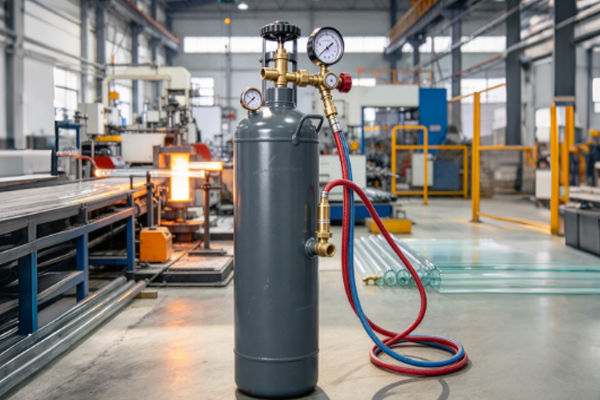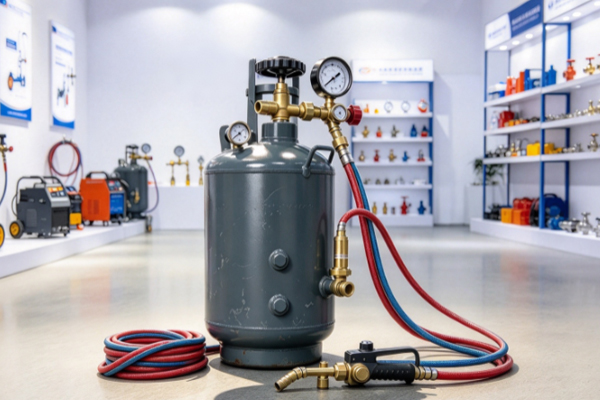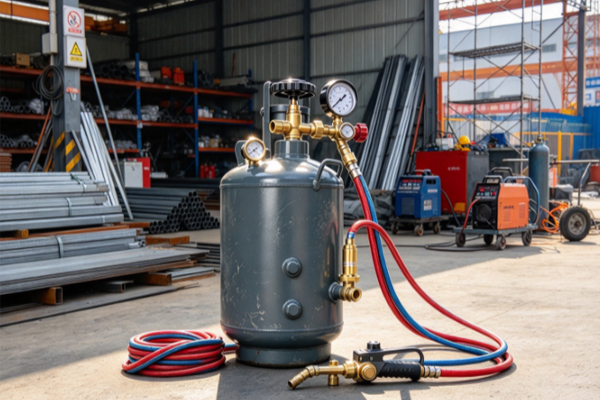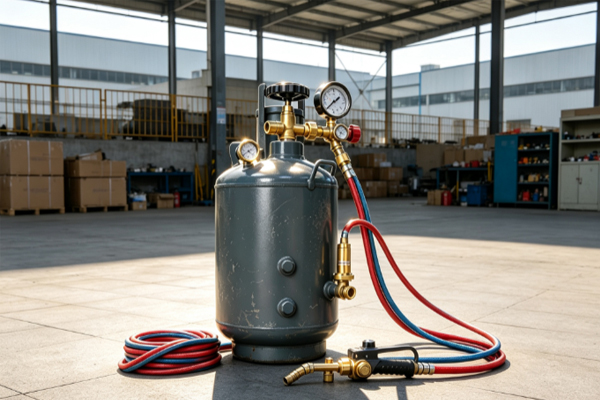
Acetylene cylinders are widely used in welding, cutting, machinery manufacturing, steel fabrication, and many other industrial applications. One of the most common questions after purchasing an acetylene cylinder is how long it can safely remain in service. In reality, there is no fixed service life that applies to every cylinder. Its usable lifespan depends on manufacturing quality, routine maintenance, operating conditions, periodic inspections, and proper handling. Only through standardized management, scheduled inspections, and correct maintenance can an acetylene cylinder continue operating safely and efficiently over an extended period. Understanding the factors that influence service life helps reduce equipment failures, improve operational safety, and lower replacement costs.
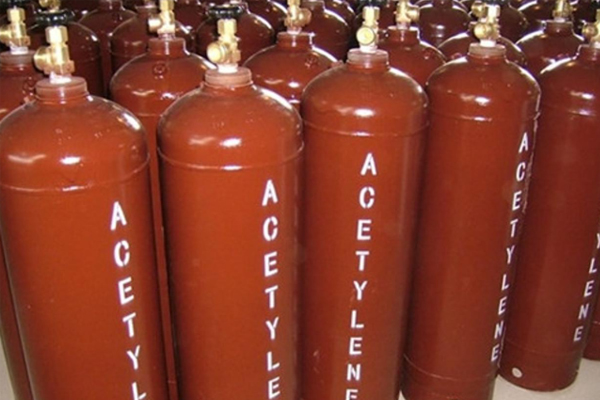
What Factors Affect the Service Life of an Acetylene Cylinder?
An acetylene cylinder is a pressure vessel that experiences continuous pressure changes throughout its service life while also being exposed to transportation, handling, storage conditions, and daily operation. Even two cylinders of the same model may have different service lives because of different operating environments. Cylinders stored in dry, well-ventilated, and properly managed locations generally experience slower corrosion and maintain better valve and accessory conditions. On the other hand, prolonged exposure to humid environments, excessive heat, or corrosive surroundings can accelerate surface corrosion and increase wear on valves and fittings. Frequent impacts, improper transportation, or rough handling can also shorten the cylinder’s service life. Maintaining correct operating procedures and regularly inspecting the cylinder body, valve, base ring, and accessories help identify potential issues early and keep the cylinder in good working condition.
Why Must Acetylene Cylinders Undergo Periodic Inspection?
Acetylene cylinders should not be used continuously until visible damage appears. Instead, they must undergo scheduled inspections according to applicable regulations. During these inspections, qualified personnel examine the cylinder’s external condition, wall thickness, valve assembly, internal condition, and sealing performance to determine whether the cylinder remains suitable for continued service. If corrosion, deformation, cracks, or other safety-related defects are found, the cylinder should be removed from service.
Periodic inspections help identify problems that cannot be detected through visual examination alone. A cylinder that appears to be in good condition externally may still contain internal defects that could affect safe operation. Routine inspections significantly reduce operational risks while helping maintain stable gas delivery performance.
For businesses that frequently use acetylene cylinders, maintaining complete inspection records is an important part of equipment management. Inspection history provides valuable information for maintenance planning and future equipment replacement decisions.
How to Extend the Service Life of an Acetylene Cylinder
The service life of an acetylene cylinder depends not only on manufacturing quality but also on daily maintenance and proper operating practices. Good management helps reduce wear and keeps the cylinder operating reliably for a longer period.
The following practices are recommended:
- Store the cylinder correctly:Always keep the cylinder in an upright position and secure it properly to prevent tipping. Avoid storing it horizontally or stacking it improperly, as this can reduce stress on the valve and minimize mechanical wear.
- Avoid strong impacts:Handle the cylinder carefully during transportation and movement. Do not drag, roll, or strike the cylinder. Reducing mechanical impact helps protect both the cylinder body and valve assembly.
- Keep away from high temperatures:Store the cylinder in a cool, dry, and well-ventilated location away from direct sunlight and heat sources to maintain stable operating conditions.
- Maintain valves and accessories:Regularly inspect the cylinder valve, pressure regulator, and connection fittings. Remove dust and debris to prevent accessory damage that could affect performance.
- Complete inspections on schedule:Follow the required inspection schedule and immediately repair or remove any cylinder that no longer meets safety requirements.
Proper management extends the operational life of acetylene cylinders, reduces maintenance costs, and provides a stable gas supply for welding and cutting operations.
When Should an Acetylene Cylinder No Longer Be Used?
As an acetylene cylinder ages, signs of wear and deterioration may gradually appear. If the cylinder develops severe corrosion, deep dents, cracks, or significant structural damage, it should be removed from service and evaluated by qualified personnel. Valve problems such as leakage, difficulty opening or closing, or damaged threads also indicate that the cylinder requires attention.
If a periodic inspection determines that the cylinder no longer meets safety standards, it should be permanently removed from service according to applicable regulations. Continuing to use a cylinder simply because it still releases gas may create unnecessary operational risks and reduce equipment reliability.
Accessories such as pressure regulators, hoses, and connectors also require regular inspection. Aging accessories can negatively affect overall system performance. Establishing a routine inspection program allows potential issues to be identified before they become major equipment failures.
What Daily Maintenance Helps Maximize Cylinder Service Life?
Routine maintenance plays a vital role in keeping acetylene cylinders operating safely over the long term. Consistent maintenance improves equipment reliability, reduces the likelihood of unexpected failures, and helps maintain stable operating performance.
Daily maintenance should include the following tasks:
- Inspect the cylinder body:Regularly examine the cylinder for corrosion, dents, scratches, or other visible damage. Early detection helps prevent further deterioration.
- Check the cylinder valve:Ensure the valve opens and closes smoothly without leakage, sticking, or excessive wear.
- Maintain the pressure regulator and fittings:Inspect the pressure regulator, hoses, and connectors to ensure they remain securely connected and free from aging or damage.
- Keep the storage area clean:Maintain a dry, organized, and well-ventilated storage environment to minimize corrosion and improve equipment management.
- Maintain maintenance records:Record each inspection, maintenance activity, and service history to monitor cylinder condition and support future maintenance planning.
Consistent maintenance helps extend the service life of acetylene cylinders, improves operational reliability, and provides a dependable acetylene gas supply for industrial welding and cutting applications.