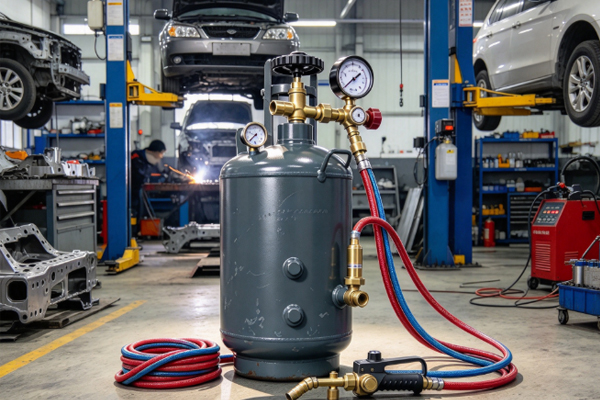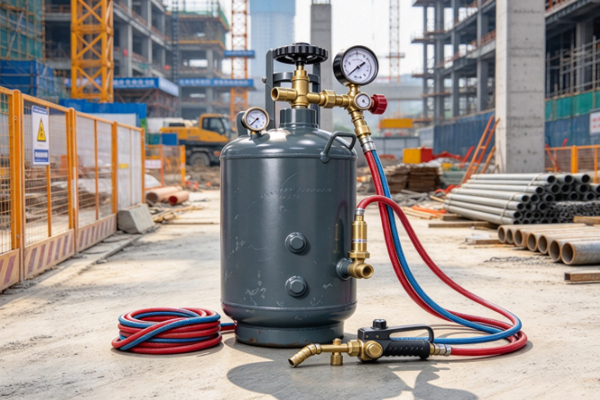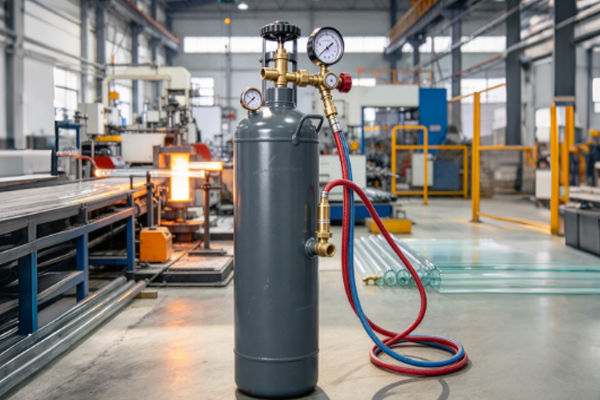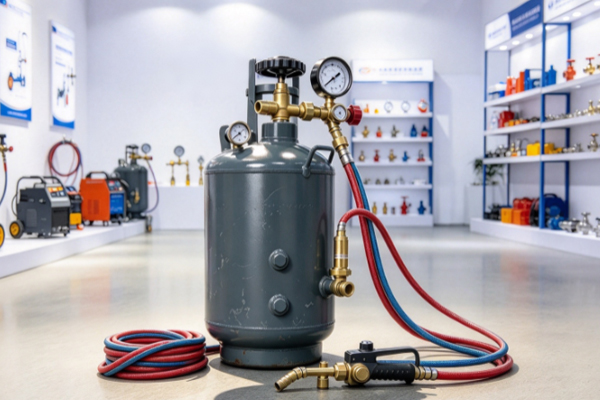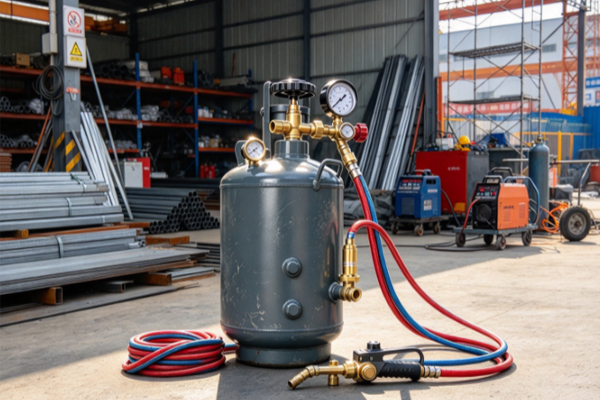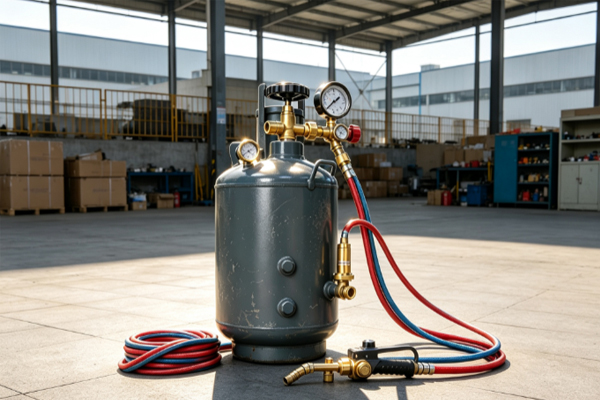
Gas cutting may seem simple, but the gas supply system behind it directly affects production efficiency and cutting quality. Many companies face the same question when selecting an acetylene storage tank: what size is suitable for gas cutting operations? If the tank capacity is too small, insufficient gas supply may occur during cutting, affecting work efficiency and cutting results. If the tank is oversized, it can increase equipment costs and make installation more difficult. In reality, acetylene storage tank size should be determined based on cutting equipment quantity, daily operating hours, acetylene consumption, and site conditions. For industries such as steel fabrication, machinery manufacturing, and equipment maintenance, choosing the right tank specification is important for stable production and long-term operating costs.
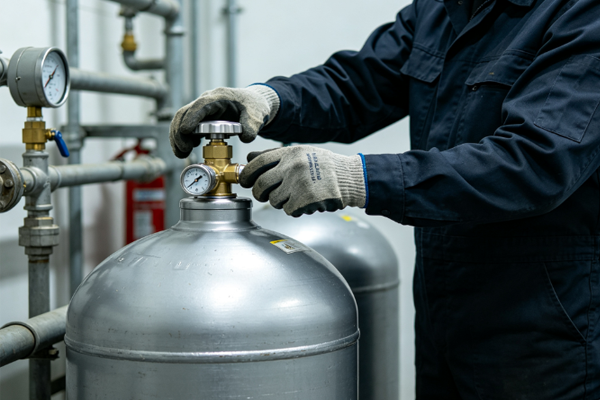
Acetylene Storage Tank Size Should First Be Determined by Gas Consumption
The size of an acetylene storage tank should not be decided simply based on the number of gas cutting machines. The actual gas demand must be evaluated first. Different factories have different cutting workloads, and even companies using the same number of cutting torches may have significantly different acetylene consumption.
Important factors include:
- Number of gas cutting machines, as more cutting torches operating at the same time require stronger gas supply capacity.
- Daily cutting hours, because long continuous operations require larger storage capacity.
- Thickness of cutting materials, as thicker steel plates usually require more stable acetylene supply.
- Changes in production workload, since increased orders may raise future gas demand.
Many companies choose acetylene storage tanks based only on current production conditions and ignore future expansion. A better approach is to analyze actual acetylene consumption over a period of time and then select the tank capacity based on production requirements and manufacturer recommendations.
Different Gas Cutting Applications Require Different Acetylene Storage Tank Sizes
Gas cutting is widely used in many industries, and the requirements for storage tanks vary greatly between small repair workshops and large steel fabrication plants. Acetylene storage tank size should be matched with the actual working environment instead of selecting oversized equipment blindly.
Common application conditions include:
- Small repair workshops or occasional gas cutting operations usually require smaller tanks that are easier to install and manage.
- General machinery processing factories need to balance stable gas supply and equipment installation space, making medium-sized tanks more suitable.
- Steel fabrication companies with heavy cutting workloads and long operating hours usually require larger capacity tanks.
- Production lines with multiple cutting stations need storage capacity planned according to total acetylene consumption.
Different tank capacities also have different external dimensions. When selecting a model, companies should consider not only storage capacity but also tank length, diameter, and height to ensure proper installation.
Acetylene Storage Tank Dimensions Should Match the Installation Environment
Gas cutting workshops usually contain many types of equipment, so the tank installation area needs to be planned in advance. Selecting a tank based only on capacity without considering actual space can result in installation difficulties or inconvenient maintenance.
Before installation, companies should confirm:
- Size of the tank placement area to ensure enough operating space around the equipment.
- Factory height conditions to avoid installation limitations.
- Pipeline connection locations for easier integration with the gas cutting system.
- Transportation passage dimensions to ensure the tank can be moved into the installation area.
Some companies fail to measure the installation site before purchasing and only discover problems after delivery, such as insufficient entrance width or unsuitable installation space. Providing the manufacturer with site layout information in advance helps determine a more suitable acetylene storage tank size.
Future Production Requirements Should Also Be Considered When Selecting Acetylene Storage Tank Size
An acetylene storage tank is long-term equipment, so companies should not only consider current cutting operations but also future production changes. If more cutting equipment is added or production capacity increases, the original storage capacity may no longer meet demand.
For long-term selection, companies should consider:
- Reserving sufficient storage capacity to handle future production growth.
- Choosing equipment structures that are easier to maintain and manage.
- Considering manufacturer production capabilities and technical support to ensure stable long-term operation.
The right acetylene storage tank size does not simply mean choosing the largest capacity. The best solution is to balance production demand, installation space, and operating costs. For gas cutting operations, stable gas supply is more important than simply selecting a larger tank.
Determining the correct acetylene storage tank size for gas cutting requires comprehensive consideration of acetylene consumption, cutting equipment quantity, production environment, and future development plans. Companies should not only focus on tank capacity but also confirm whether the equipment dimensions meet actual installation requirements. Zhongcheng Gas Cylinde provides acetylene storage tanks in various specifications with professional selection support, helping customers choose suitable tank solutions based on their actual gas cutting needs.