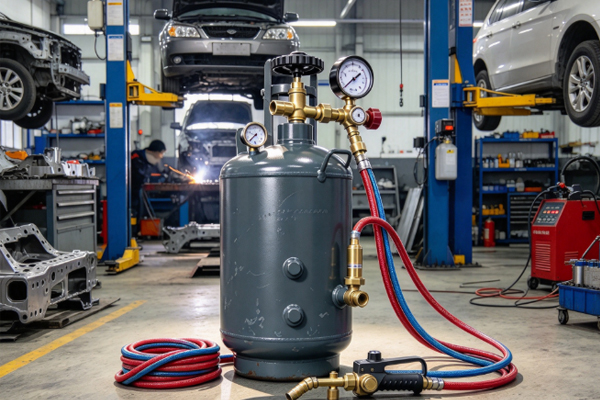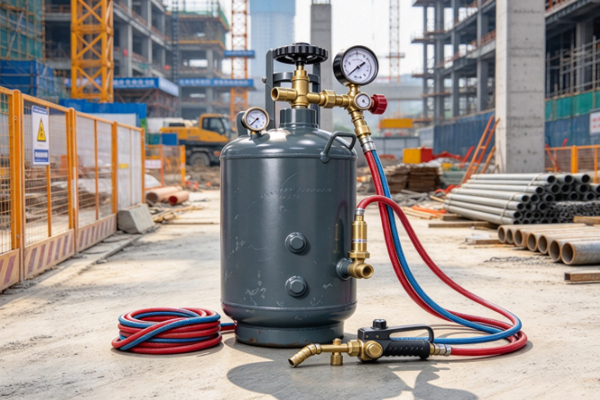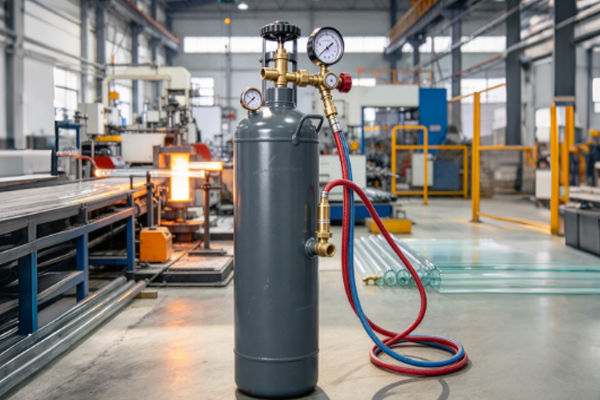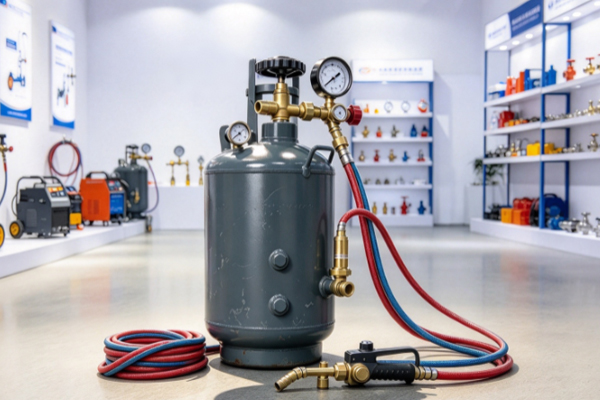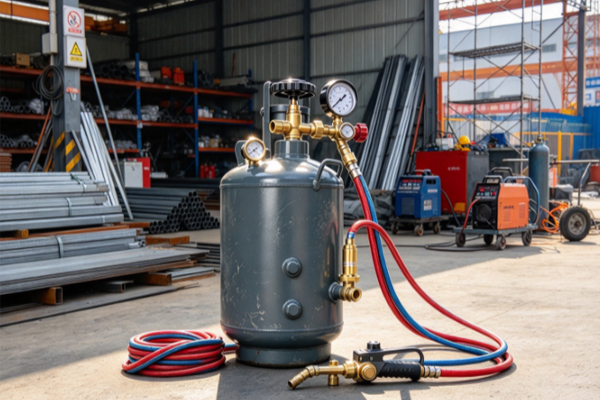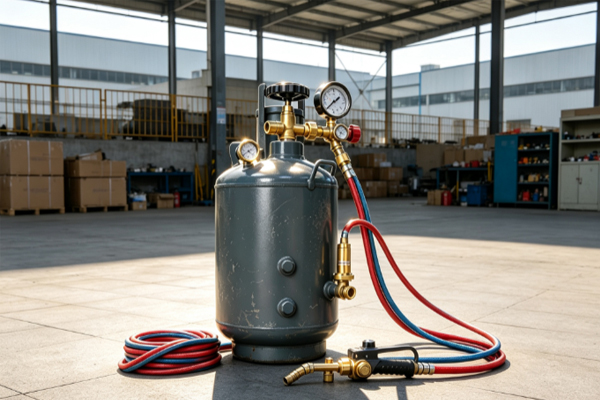
Acetylene cylinders are commonly used in welding, cutting, and industrial processing applications. Proper operation of acetylene cylinders helps maintain stable gas supply while reducing safety risks during use. Since acetylene is a flammable gas, every step from valve opening, equipment connection, operation control, and shutdown requires careful handling according to proper procedures. Operators need to understand the structure of the equipment and master basic operations such as valve control, pressure adjustment, and connection inspection. Standardized operation reduces equipment damage, prevents gas leakage and abnormal pressure issues, and allows acetylene cylinders to provide stable performance during industrial work.
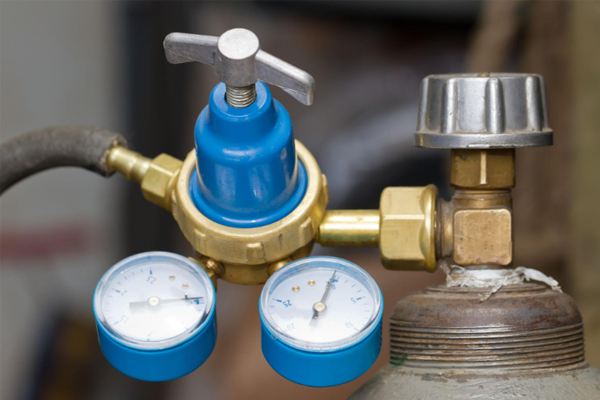
Operating an acetylene cylinder is not simply a matter of opening the valve and starting use. The complete process includes pre-use inspection, equipment connection, pressure adjustment, operation monitoring, and proper storage after completion. Each step affects equipment performance, and improper handling during any stage may create operational problems. In actual working environments, operators should follow correct procedures and apply proper safety management practices based on site conditions.
What Preparations Are Required Before Using an Acetylene Cylinder?
Before an acetylene cylinder is put into operation, the equipment condition should be carefully inspected to confirm that all components are functioning properly. Inspection items include the cylinder body, valve, pressure regulator, gas hose, and connection points of welding or cutting equipment. The cylinder surface should be checked for corrosion, impact marks, deformation, or other conditions that may affect safe operation.
The storage and working environment should also be checked before use. The acetylene cylinder should remain upright and secured in a stable position to prevent impact or tipping. The working area should have good ventilation and should be kept away from open flames, high-temperature equipment, and sources that may produce sparks. A suitable working environment helps reduce gas accumulation risks and provides better operating conditions.
Before connecting equipment, confirm that the pressure regulator is suitable for acetylene applications. Different gas equipment should not be mixed, as incorrect installation may cause pressure control problems. Checking all connection components in advance helps identify loose parts, aging accessories, or other issues before operation begins.
Proper Opening and Connection Procedures for an Acetylene Cylinder
Opening an acetylene cylinder requires slow and controlled operation. The valve should never be opened suddenly or too quickly. Rapid opening may cause sudden pressure changes and affect the normal operation of the pressure regulator. Operators should stand in a safe position and confirm that the surrounding area is suitable before opening the valve.
When connecting welding torches or cutting equipment, the pressure regulator, hoses, and related fittings should be installed according to correct procedures. After completing the connection, check whether all parts are securely attached and confirm that there is no gas leakage. Professional inspection methods should be used to verify connection safety, and any abnormal condition should be handled immediately.
During operation, the working pressure should be adjusted according to equipment requirements to maintain stable acetylene output. Pressure should not be set too high or too low and should match the requirements of the welding or cutting process. Maintaining suitable pressure improves processing quality and helps protect the equipment.
During use, avoid striking the cylinder body, hitting the valve, or pulling the gas hose forcefully. Proper connection and stable operation ensure that acetylene gas is delivered safely and consistently to the working equipment.
Important Precautions During Daily Acetylene Cylinder Operation
During continuous use, acetylene cylinders require strict operation management. Operators need to understand not only opening and connection procedures but also pay attention to gas supply conditions, equipment performance, and changes in the working environment. Correct operating habits help reduce equipment failures and improve work efficiency.
Important operating practices include:
- Open the valve slowly and carefully:When opening the acetylene cylinder valve, avoid sudden movement or rapid opening. Slow operation allows pressure to increase gradually, helping the pressure regulator maintain stable performance and reducing the impact caused by sudden pressure changes.
- Check gas connection conditions:During operation, inspect hoses, fittings, and pressure regulator connections. If loose connections, abnormal sounds, or unusual gas flow conditions are detected, stop operation and perform inspection immediately.
- Keep the cylinder secured:The acetylene cylinder should remain fixed and upright during use. Stable placement prevents tipping and reduces stress on connected components.
- Control operating time and environmental conditions:During long periods of continuous operation, monitor equipment conditions and surrounding temperature. Avoid heat sources and maintain ventilation to improve operating stability.
- Shut down the equipment correctly after operation:After completing work, close the valve properly and release remaining pressure from the system according to operating requirements. Correct shutdown procedures help maintain equipment performance for future use.
Understanding these operating details helps acetylene cylinders maintain stable performance. Proper procedures protect the equipment and improve safety levels in the workplace.
How to Handle an Acetylene Cylinder After Use
After completing work, an acetylene cylinder should not simply be left unattended. Proper shutdown and inspection procedures are important steps for ensuring safe future operation. After finishing the task, close the cylinder valve, confirm that gas supply has stopped, and handle any remaining gas pressure in the system according to proper procedures.
After shutdown, inspect the acetylene cylinder and connected accessories for abnormal conditions. If damaged hoses, loose fittings, or valve problems are found, maintenance should be performed before the next use. Cylinders that are temporarily unused should be stored in designated areas while remaining upright and secured.
Post-use management also affects cylinder service life. If cylinders are kept in unorganized areas, they may be exposed to moisture, impact, or other factors that accelerate equipment aging. Proper inspection and storage after use help maintain the cylinder in good condition.
A correct shutdown process is not only an important part of equipment maintenance but also helps ensure continuous production. Good operating habits reduce equipment problems and improve overall acetylene cylinder efficiency.
What Safety Habits Should Acetylene Cylinder Operators Develop?
Operator habits have a direct influence on acetylene cylinder performance and safety. Understanding equipment characteristics, following operating requirements, and maintaining proper working practices are essential for reducing risks. During long-term operation, workers should continue improving their awareness of correct procedures.
Operators should develop the following habits:
- Understand the structure of acetylene cylinders:Learn the functions of the valve, pressure regulator, connection fittings, and other components to better judge equipment conditions.
- Follow operating procedures:Do not skip inspection steps or change connection methods without approval. Complete opening, operation, and shutdown procedures according to established requirements.
- Stop operation when abnormalities occur:If leakage, abnormal pressure, or equipment damage appears, stop using the cylinder immediately and inspect the problem.
- Avoid improper operating behaviors:Do not strike the cylinder, remove accessories without authorization, or use equipment in unsafe environments.
- Maintain equipment records:Record usage time, inspection results, and maintenance activities to better understand equipment condition.
Good operating habits improve acetylene cylinder safety and help maintain stable equipment performance. Through standardized procedures and correct handling methods, acetylene cylinders can provide reliable support for industrial welding and cutting operations.