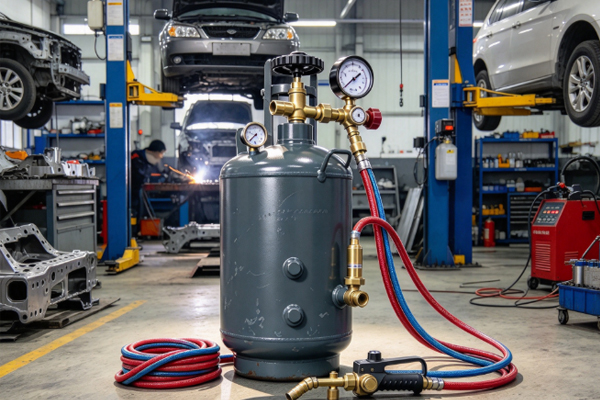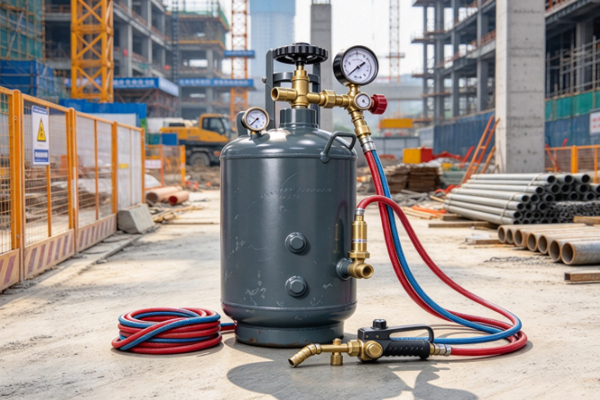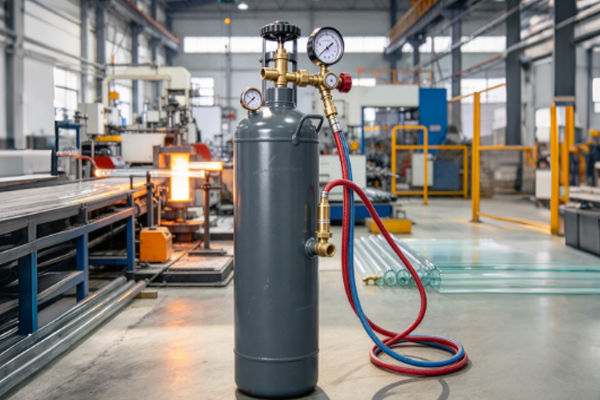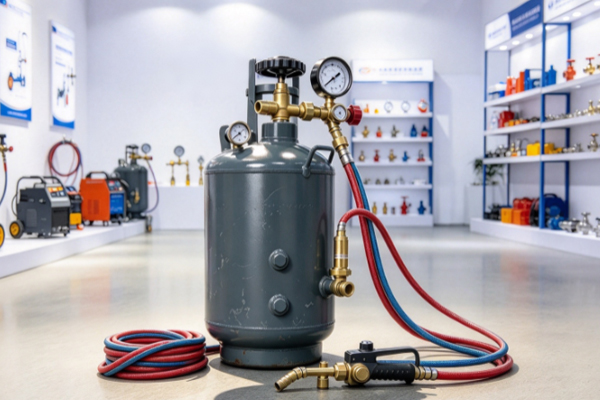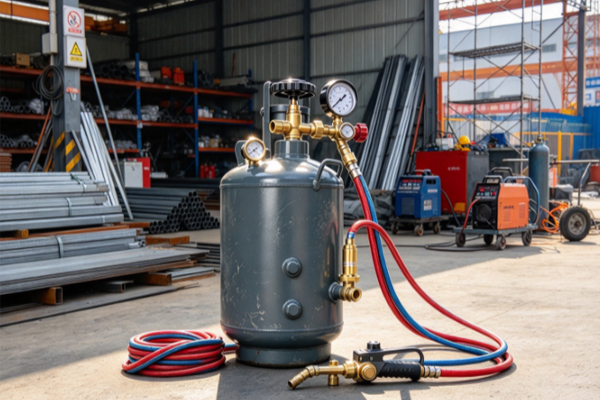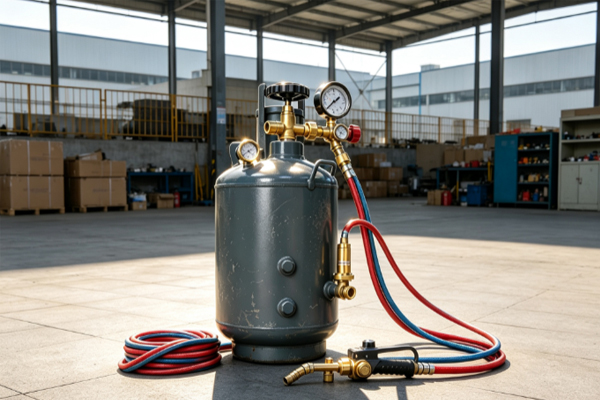
When selecting an acetylene storage tank, many companies face the same question: what size tank is actually suitable? A tank that is too small may cause insufficient gas supply during production and require frequent refilling, while an oversized tank can increase equipment costs and waste installation space. In reality, acetylene storage tank size should not be determined by capacity alone. It needs to be evaluated based on gas consumption, production equipment quantity, working hours, and installation conditions. For welding factories, machining companies, and other users that rely on acetylene for daily operations, choosing the right acetylene storage tank dimensions in advance can improve equipment efficiency and reduce future adjustment problems.
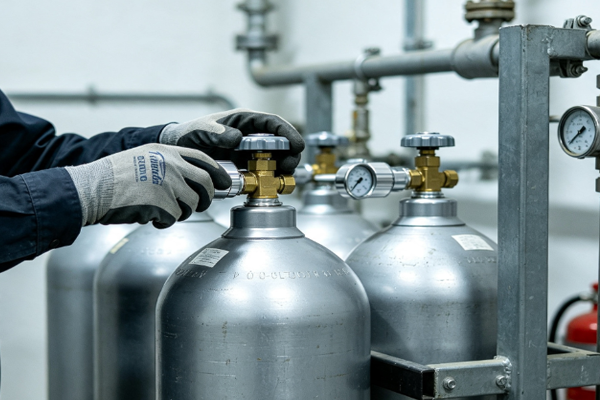
Actual Gas Consumption Is the First Factor in Determining Acetylene Storage Tank Size
The most important factor in selecting an acetylene storage tank capacity is the company’s actual gas usage. Different factories have different production methods, and even companies with the same number of machines may have very different acetylene consumption levels.
When determining gas requirements, consider:
- Daily acetylene usage time, as longer continuous operation requires higher storage capacity.
- Number of welding and cutting machines operating at the same time, since more equipment increases gas demand.
- Production schedules, because companies with stable orders and intermittent production have different requirements.
- Future production plans, to prevent insufficient storage capacity after expansion.
Many companies estimate tank size only based on workshop scale or equipment quantity, which may lead to inaccurate selection. A better approach is to record actual acetylene consumption over a period of time and combine this information with the manufacturer’s technical recommendations to select a more suitable specification.
Acetylene Storage Tank Dimensions Should Match Capacity and Installation Conditions
When determining tank size, companies should consider not only storage capacity but also the physical dimensions of the equipment. Different acetylene storage tank capacities will have different lengths, diameters, and heights, and the installation area directly affects model selection.
Key dimensions to confirm include:
- Tank length to ensure the equipment fits within the planned installation area.
- Tank diameter to avoid affecting surrounding equipment and passage layouts.
- Tank height to match factory space limitations.
- Foundation dimensions to support proper installation.
Acetylene storage tanks with the same capacity may have different external dimensions due to different structural designs from manufacturers. Companies should not only focus on the storage volume but also request detailed dimension specifications. Measuring the installation area in advance can prevent problems when the equipment arrives on site.
Different Factory Sizes Require Different Acetylene Storage Tank Sizes
Different types of businesses have different acetylene requirements. Small processing workshops usually focus on flexibility and space efficiency, while large manufacturing plants pay more attention to continuous gas supply capability.
Common selection approaches include:
- Small welding and repair businesses usually choose smaller capacity tanks to meet daily production needs while reducing occupied space.
- Medium-sized manufacturing companies need to balance storage capacity and equipment dimensions to maintain stable production.
- Large steel fabrication and machinery manufacturing companies focus more on high-capacity tanks to ensure reliable gas supply.
- Factories with multiple workshops using acetylene need to plan equipment specifications according to total consumption.
There is no single acetylene storage tank size suitable for every company. Businesses need to find the right balance between capacity, dimensions, and actual operating requirements.
Long-Term Usage Requirements Should Also Be Considered When Selecting Tank Size
An acetylene storage tank is long-term equipment, so companies should not only consider current production needs. As production expands, equipment increases, or output grows, acetylene consumption may also rise. If the initial tank selection is too limited, replacement may be required later.
For long-term selection, companies should pay attention to:
- Reserve some additional storage capacity to handle future production changes.
- Consider maintenance convenience for easier inspection and management.
- Evaluate manufacturer support and technical services to ensure long-term operation.
Choosing the right tank size does not mean selecting the largest available capacity. A suitable acetylene storage tank size should provide a balance between current requirements, installation conditions, and future development needs.
Determining the right acetylene storage tank size requires comprehensive consideration of gas consumption, production scale, installation space, and future expansion plans. During the purchasing process, companies should focus not only on tank capacity but also on whether the acetylene storage tank dimensions match the actual site conditions. Zhongcheng Gas Cylinde provides acetylene storage tanks in various specifications with professional selection support, helping customers choose equipment solutions that better meet their actual application needs.