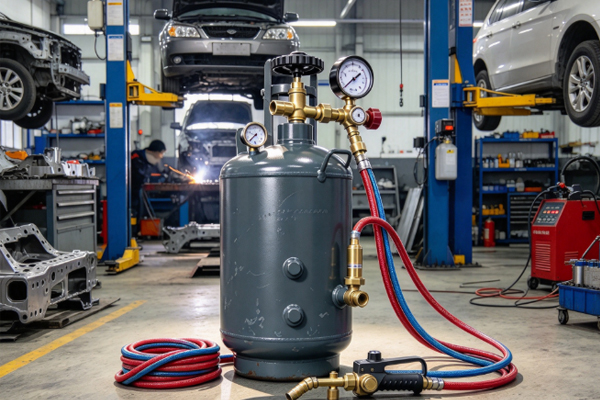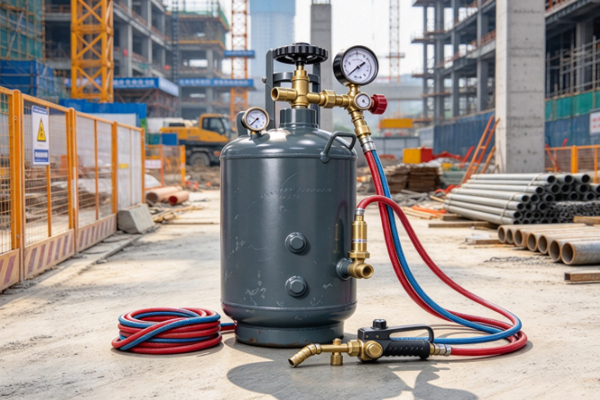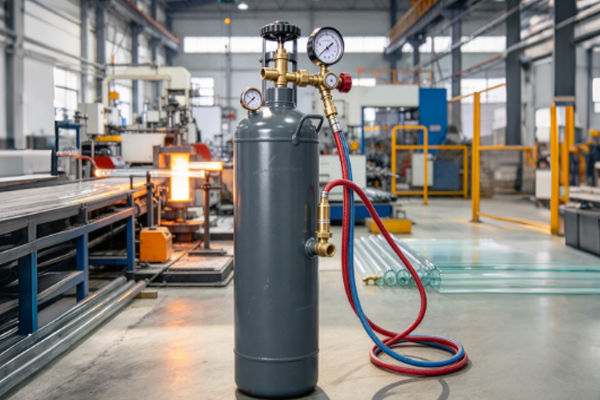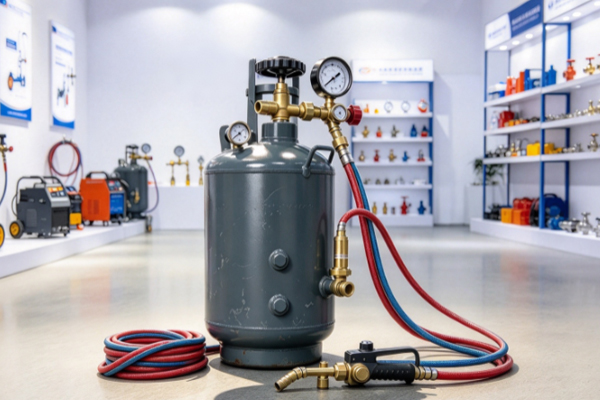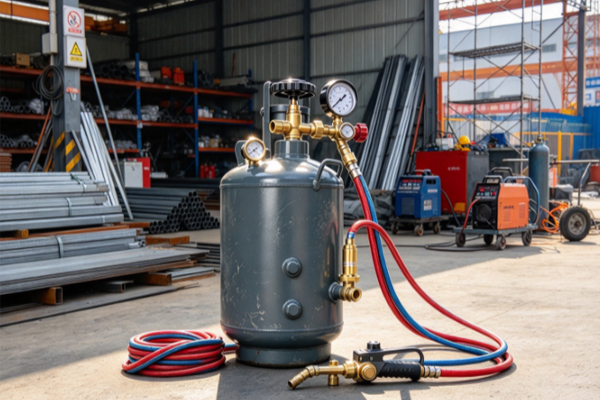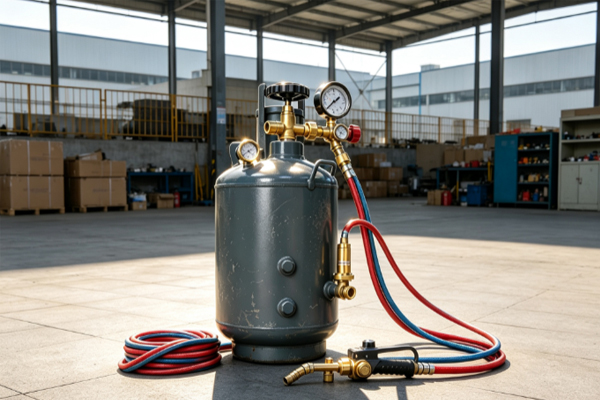
When purchasing an acetylene storage tank, many companies first search for available models and specifications, hoping to find equipment that matches their production needs. However, acetylene storage tank models are not only differentiated by size. Different specifications vary in storage capacity, installation space, structural design, and application scenarios. A small welding workshop and a large steel fabrication factory usually require completely different solutions. Choosing an unsuitable model may lead to insufficient gas supply, wasted space, or installation difficulties. Understanding common acetylene storage tank models and their corresponding dimensions can help companies make a more suitable purchasing decision.
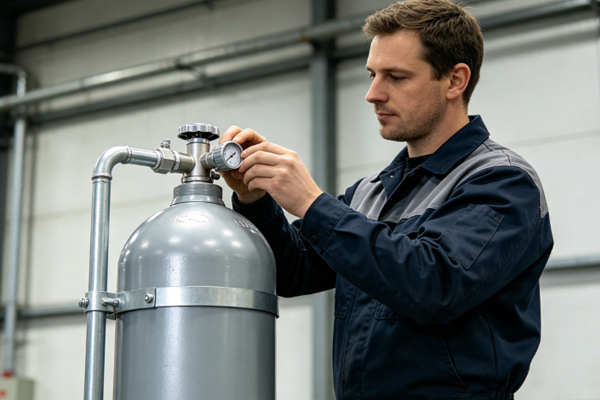
What Are the Common Acetylene Storage Tank Models?
Acetylene storage tank models are generally classified according to their nominal volume. Different capacities are designed for different production scales. When selecting equipment, companies need to consider their gas consumption and installation conditions.
Common models include:
- 10m³ Acetylene Storage Tank: This is a smaller capacity model suitable for small welding workshops, repair shops, and applications with limited gas demand. It has a relatively compact structure and is easier to install.
- 20m³ Acetylene Storage Tank: This is a widely used specification for small and medium-sized manufacturing companies and can support daily welding operations with multiple workstations.
- 30m³ Acetylene Storage Tank: Suitable for processing companies with stable production schedules, offering greater storage capacity compared with 20m³ models for continuous operations.
- 50m³ Acetylene Storage Tank: Commonly used in larger welding factories and machinery manufacturing companies that require more stable gas supply.
- 100m³ and Above Acetylene Storage Tank: Mainly applied in large industrial facilities that require high storage capacity and long-term continuous gas supply.
Different models have different capacities, and their external dimensions also vary. As the storage volume increases, the required installation space, tank length, and diameter usually increase as well.
What Are the Differences in Size Between Different Acetylene Storage Tank Models?
Many companies focus only on storage capacity when choosing a tank, but the actual equipment dimensions are equally important during installation. Even tanks with the same capacity may have different lengths and diameters depending on the manufacturer’s design.
Common size differences include:
- 10m³-20m³ models usually have a more compact structure and are suitable for factories with limited installation space.
- 30m³-50m³ models require more installation space and should be planned carefully before installation.
- 100m³ and larger models occupy more space and usually require a dedicated installation area with confirmed transportation conditions.
Before purchasing, companies should ask the manufacturer for detailed acetylene storage tank dimensions, including length, diameter, height, and connection positions. Only when the tank capacity and installation environment match can the equipment be installed and operated smoothly.
How Should Different Industries Choose Acetylene Storage Tank Models?
Different industries have different acetylene usage patterns, so the most suitable tank model will also vary. Companies should select equipment according to production scale and actual operating frequency instead of simply choosing the largest capacity.
Common selection methods include:
- Small welding workshops and repair businesses usually choose 10m³ or 20m³ models to meet daily needs while saving installation space.
- General machinery manufacturing companies may select 20m³ or 30m³ models to balance gas supply stability and equipment investment.
- Steel fabrication plants and large equipment manufacturers often require 50m³ or larger models to support continuous production.
- Companies with multiple workshops using acetylene should select specifications based on total gas consumption.
Different businesses have different requirements, and the same tank model may not suit every application. Providing information about actual gas usage, factory dimensions, and operating conditions allows manufacturers to recommend more suitable equipment.
What Parameters Should Be Confirmed Before Selecting an Acetylene Storage Tank Model?
Besides capacity and model, companies should also review other equipment parameters before making a purchase. A suitable acetylene storage tank should not only meet gas storage requirements but also support convenient installation and long-term operation.
Important factors include:
- Tank design pressure and manufacturing standards to ensure reliable operation.
- Material quality and manufacturing processes that affect service life.
- Connection configurations for easier pipeline installation.
- Maintenance conditions to reduce future management difficulties.
Some companies choose equipment only based on price and overlook tank dimensions, installation requirements, and long-term maintenance. Selecting the right model requires a balance between production needs, site conditions, and future operation.
Choosing an acetylene storage tank model requires a comprehensive evaluation of factory scale, gas consumption, installation environment, and equipment dimensions. Specifications such as 10m³, 20m³, 30m³, 50m³, and 100m³ or above each have different application scenarios. Companies should not focus only on capacity but also confirm whether the acetylene storage tank size matches the actual installation conditions. Zhongcheng Gas Cylinde provides acetylene storage tanks in various specifications with professional selection support, helping customers choose suitable storage solutions based on their actual application requirements.