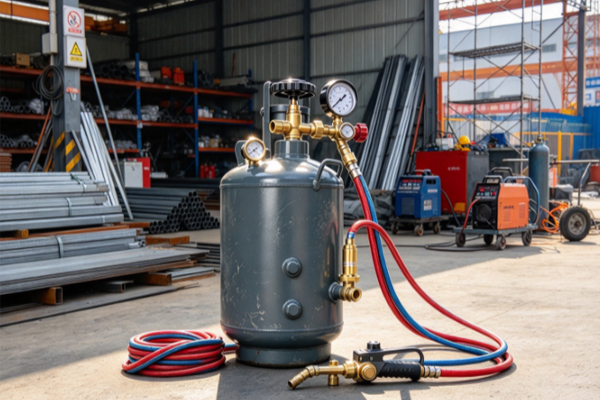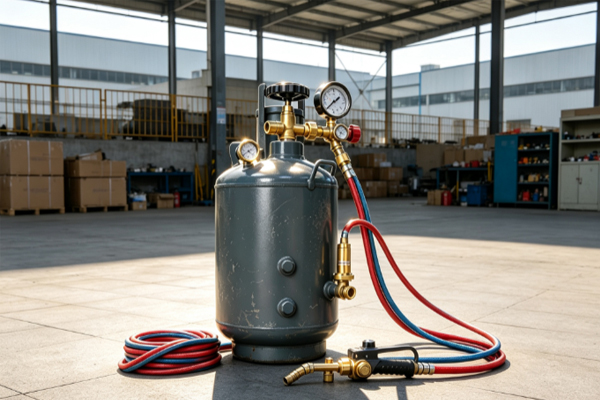
Acetylene cylinders are widely used in welding, gas cutting, metal processing, machinery manufacturing, and steel structure construction. Acetylene is highly flammable, so improper handling during storage, transportation, and operation may lead to gas leakage, flashback, abnormal pressure, equipment impact, or other hazardous situations. Safe acetylene cylinder use does not depend on a single piece of equipment or one inspection. It requires proper management of cylinder condition, storage environment, equipment connections, pressure control, and daily maintenance. Before operation, workers should confirm that the cylinder is in good condition. During operation, they should continuously monitor the gas supply and connection system. After completing the task, the cylinder should be properly shut down and stored according to applicable safety requirements. Developing standardized operating habits can reduce unnecessary risks and help acetylene cylinders provide reliable performance in industrial applications.
How to Inspect an Acetylene Cylinder Before Use
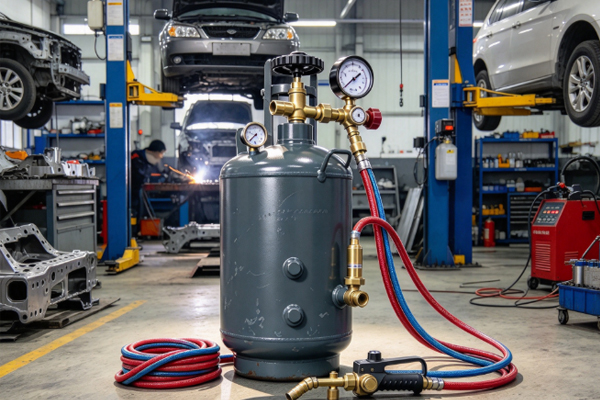
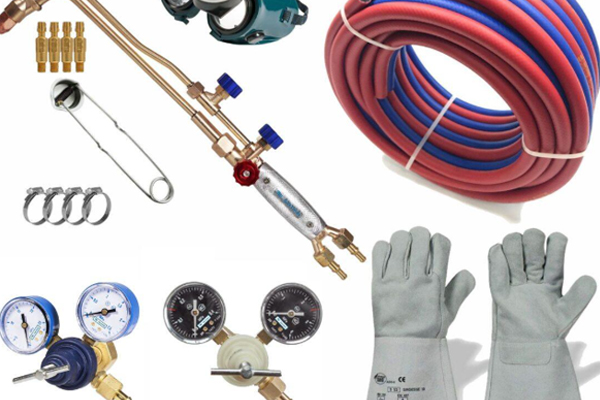
Before an acetylene cylinder is put into operation, the cylinder body, valve, pressure regulator, hose, and connection fittings should be carefully inspected. Check the cylinder surface for obvious corrosion, cracks, dents, or severe impact marks. The cylinder identification information should be clear, and the cylinder should be within the required inspection period. The valve should remain intact, while connection components should not show looseness, damage, or excessive wear. The working area should also be inspected in advance. The acetylene cylinder should be placed in a well-ventilated location away from open flames, high-temperature equipment, and potential sources of sparks. The cylinder should remain upright and be secured with a reliable fixing method to prevent tipping during operation. When checking the pressure regulator and gas hose, confirm that they are suitable for acetylene service and are in good condition. A complete pre-use inspection can identify potential problems before operation and prevent defective equipment from entering service.
How to Control the Storage and Working Environment
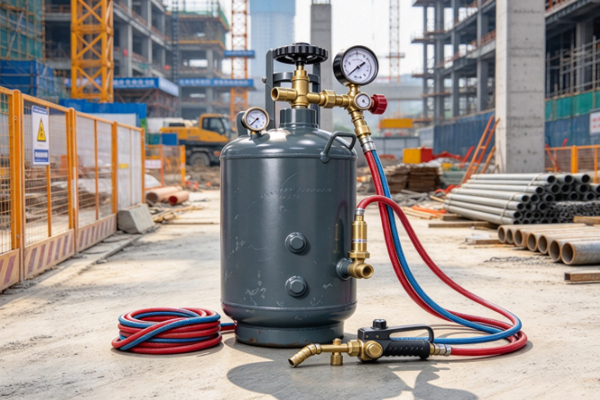
The storage environment of an acetylene cylinder can affect equipment condition and operating safety. Cylinders should be stored in a dry, ventilated, cool, and well-managed location. Long-term exposure to direct sunlight or high temperatures should be avoided. Storage areas should remain away from flames, heat sources, and equipment that may generate electrical sparks. Acetylene cylinders should be stored upright and secured with chains, supports, or other reliable devices to prevent tipping. After being transported to the working area, cylinders should not be placed horizontally or leaned against unstable objects. During outdoor operations, suitable shading measures may be used according to weather conditions, but the shaded area must remain well ventilated and should never become an enclosed high-temperature space. The work area should also be kept clean and organized to prevent workers or equipment from accidentally striking the cylinder. Proper environmental management reduces risks associated with temperature, impact, and ignition sources and provides a more stable environment for welding and cutting operations.
What Precautions Are Required During Acetylene Cylinder Operation?
Once an acetylene cylinder is put into service, operators need to carefully control the valve, pressure, and connection conditions. The valve should be opened slowly and smoothly rather than suddenly. During operation, equipment conditions should be monitored continuously. If leakage, abnormal sounds, pressure fluctuations, or damaged connection components are detected, operation should be stopped and the system inspected. The following practices are particularly important:
- Open the cylinder valve slowly:The cylinder valve should not be opened rapidly. It should be operated gradually according to the equipment requirements so that gas pressure can build up in a controlled manner. Slow opening reduces the impact of sudden pressure changes on the pressure regulation equipment and allows operators to identify abnormal conditions more easily. If unusual sounds or suspected leakage occur after opening the valve, operation should be stopped immediately.
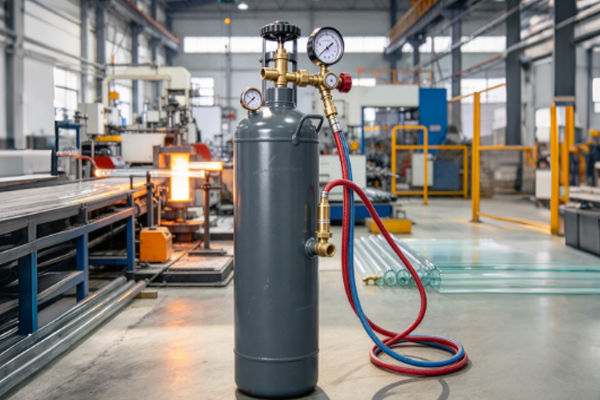
- Keep the cylinder upright and secured:An acetylene cylinder should remain stable during use and should not be placed horizontally simply for convenience. Securing the cylinder reduces the risk of tipping and impact while also preventing excessive stress on connected hoses and fittings. When moving the cylinder, use appropriate handling equipment and methods. Do not roll, drag, or strike the cylinder.
- Inspect the pressure regulator and hose:The pressure regulator, hose, and fittings are important parts of the gas delivery system. During operation, check whether connection points remain secure and whether hoses show damage, aging, or abnormal bending. If any accessory is found to be defective, stop using it and replace it with a suitable component instead of continuing operation with damaged equipment.
- Control the working temperature:Acetylene cylinders should be kept away from high-temperature equipment, flames, and strong heat sources. Increased cylinder temperature can affect internal pressure and accelerate aging of valves and sealing components. During outdoor operations in hot weather, select a suitable shaded location while maintaining good ventilation.
- Prevent flashback:Welding and cutting equipment should use an appropriate flashback arrestor, and the gas system should remain in good condition. If abnormal flame behavior, unusual gas flow, or signs of flashback occur, stop operation immediately and follow the applicable equipment safety procedures. Do not continue operating the equipment by force.
Careful control of operating procedures can reduce the risk of gas leakage, abnormal pressure, and equipment damage. Stable operating habits help acetylene cylinders maintain reliable performance and provide a safer gas supply for welding and cutting operations.
How Should Abnormal Acetylene Cylinder Conditions Be Handled?
If gas leakage, valve problems, abnormal pressure, flashback, or other unusual conditions occur during acetylene cylinder operation, the relevant work should be stopped immediately and appropriate safety procedures should be followed. When a possible gas leak is detected, avoid creating sparks and do not use equipment that may generate electrical sparks to locate the leak. Move away from the hazardous area when necessary and maintain good ventilation. If it is safe to close the gas supply, follow the prescribed shutdown procedure. If the situation cannot be handled safely, qualified personnel should be contacted for further action.
If a cylinder has suffered severe impact, shows significant deformation, becomes unusually hot, or presents another potentially hazardous condition, it should not continue to be used. Personnel should maintain a safe distance and follow the site’s emergency response procedures. If flashback occurs in welding or cutting equipment, gas supply should be stopped and the gas line, torch, and flashback arrestor should be inspected. The equipment should only be returned to service after its safety condition has been confirmed. During abnormal-condition handling, operators should never dismantle the cylinder valve without authorization or use an open flame to locate a gas leak. Correct emergency procedures can prevent minor equipment problems from developing into more serious incidents.
How Can Daily Acetylene Cylinder Maintenance Reduce Accident Risks?
Acetylene cylinder safety management should not be limited to the period of actual use. Daily maintenance and periodic inspection are equally important. Long-term use may expose cylinders to corrosion, impact, accessory aging, and other conditions that can affect equipment reliability. A continuous inspection system should be established so that workers can regularly check equipment condition and record inspection and maintenance activities.
Daily management should include the following practices:
- Inspect the cylinder body regularly:Check the cylinder surface for corrosion, cracks, dents, or other visible damage. If abnormalities are found, stop using the cylinder and have it evaluated by qualified personnel rather than attempting unauthorized repairs.
- Check valve sealing performance:The cylinder valve is an important component for controlling gas supply. Regularly confirm that it opens and closes normally. If sticking, damage, or suspected leakage is detected, stop using the cylinder and arrange for appropriate inspection or maintenance.
- Maintain pressure regulation equipment:The pressure regulator should remain in good condition, and pressure readings should remain within the applicable operating range. If the pressure gauge is damaged or pressure adjustment becomes abnormal, replace the equipment with a suitable component.
- Maintain inspection records:Keeping records of cylinder usage and inspection history helps workers understand the equipment’s condition over time and identify changes that may develop during long-term service.
- Manage cylinder retirement properly:Cylinders that no longer meet required inspection conditions or have serious defects should be removed from service and handled according to applicable requirements. A cylinder should not remain in operation simply because its external appearance seems acceptable.
Continuous maintenance can reduce risks caused by equipment aging and accessory damage. Through standardized inspection, timely maintenance, and proper storage, acetylene cylinders can maintain reliable operating performance and provide safer support for welding and cutting applications.