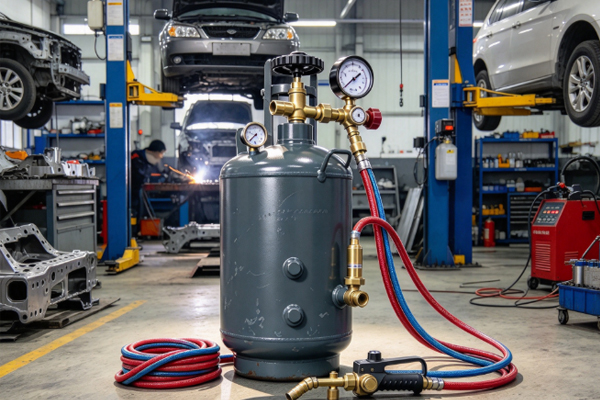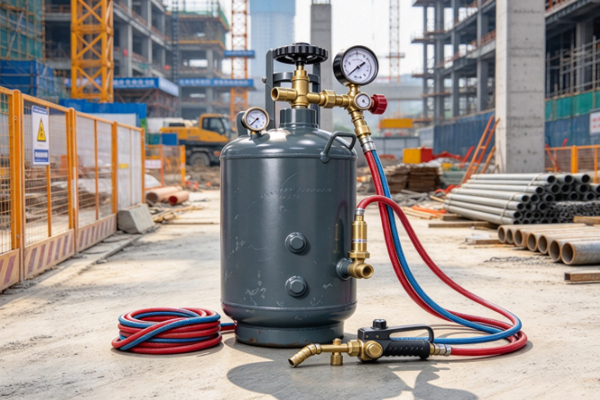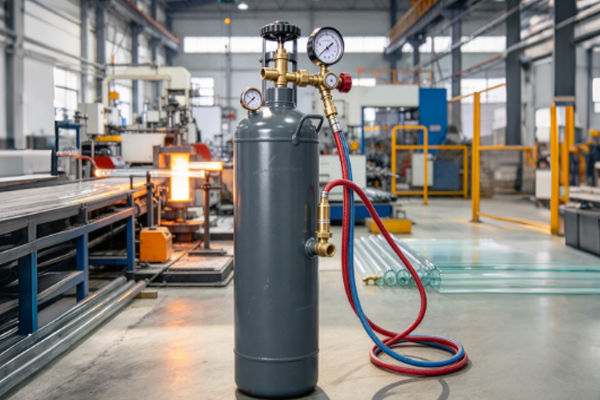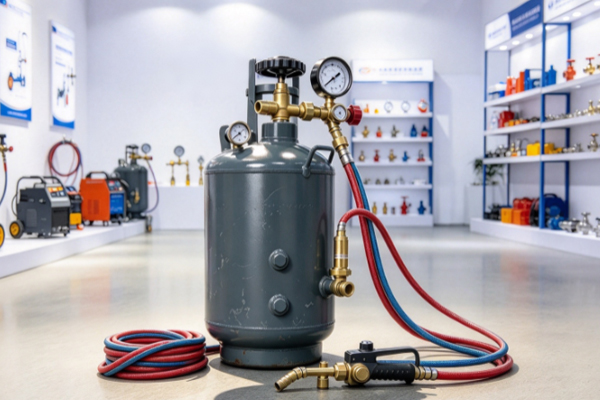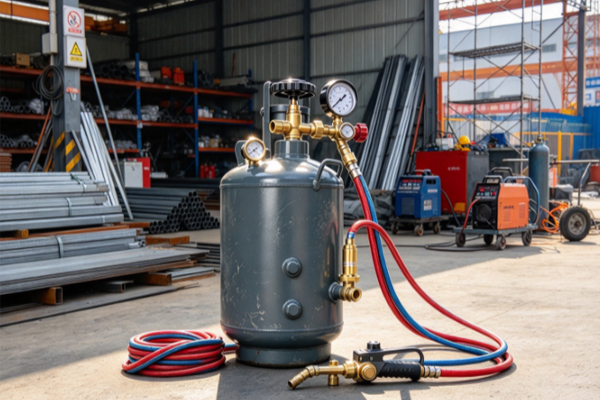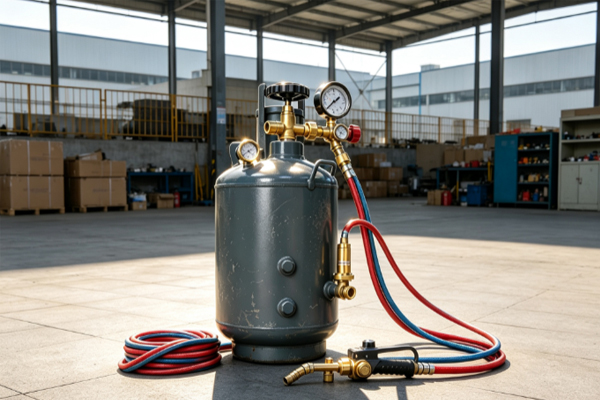
Acetylene cylinders are widely used in gas welding, gas cutting, metal processing, machinery manufacturing, steel structure construction, and maintenance operations. Acetylene is highly flammable, so practical use requires attention not only to gas output but also to cylinder condition, connection equipment, working pressure, environmental temperature, and operating habits. Proper acetylene cylinder handling techniques can reduce gas leakage, abnormal pressure, hose damage, flashback, and other problems, helping welding and cutting equipment maintain stable performance. For workers who frequently handle acetylene cylinders, developing standardized inspection and operating habits is particularly important.
Acetylene cylinder operating techniques cover the entire working process, from cylinder transportation and placement to valve opening, pressure adjustment, operation, and shutdown after the work is completed. Different working environments may also require adjustments according to temperature, ventilation, and workload. Combining equipment inspection, standardized operation, and regular maintenance helps acetylene cylinders provide a stable gas supply while reducing unnecessary safety risks.
What Should Be Checked Before Using an Acetylene Cylinder?
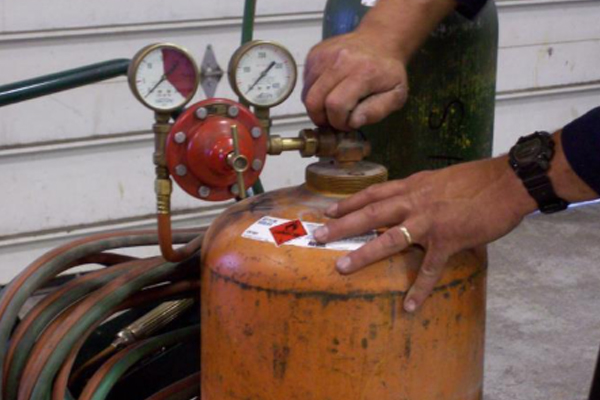
Before using an acetylene cylinder, confirm that the cylinder and all related accessories are in good condition. Inspect the cylinder body for severe corrosion, dents, cracks, or obvious impact damage, and confirm that the cylinder identification and inspection status meet applicable requirements. The cylinder valve should remain intact without obvious damage, sticking, or suspected leakage. The pressure regulator, hose, fittings, and other accessories should also be checked to ensure that they are not aged, damaged, loose, or unsuitable for acetylene service. Before installing connection equipment, clean the connection points and remove contaminants that could affect sealing performance. The acetylene cylinder should remain upright and be secured with a reliable fixing device rather than being placed in a position where it could easily tip over. The working area should have adequate ventilation and remain away from open flames, high-temperature equipment, and potential sources of sparks. Completing a thorough inspection before operation helps reduce the impact of equipment abnormalities on subsequent work.
How Should an Acetylene Cylinder Be Positioned and Handled?
The way an acetylene cylinder is positioned and handled can affect operating stability. After the cylinder reaches the work area, place it on a level, dry, and well-ventilated surface while keeping it upright. The cylinder should not be placed horizontally or supported in an unstable position against a wall or other equipment. Chains, brackets, or suitable securing devices can help reduce the risk of tipping. During handling, use appropriate cylinder-handling equipment and avoid dragging, rolling, striking, or dropping the cylinder. During transportation and movement, protect the cylinder valve and other accessories from impact, especially around connection points.
For outdoor work, avoid prolonged exposure to direct sunlight. High temperatures can affect internal cylinder pressure and accelerate aging of seals and hoses. In cold environments, do not heat the cylinder directly with an open flame. Selecting an appropriate storage and operating position helps reduce the effects of temperature, impact, and environmental conditions while keeping the acetylene cylinder stable.
What Are the Practical Tips for Operating an Acetylene Cylinder?
When using an acetylene cylinder, operators should maintain smooth and controlled movements and should not ignore equipment requirements simply to increase working speed. Valve opening, pressure adjustment, gas-line inspection, and welding operations should all follow proper procedures. Equipment conditions should also be monitored continuously so that abnormal conditions can be identified as early as possible.
Important operating practices include:
- Open the valve slowly:The acetylene cylinder valve should not be opened suddenly or rapidly. Operate it gradually according to the equipment requirements so that gas enters the pressure regulation system in a controlled manner. This reduces the effects of sudden pressure changes and allows operators to observe pressure readings and equipment conditions more easily. If abnormal sounds, obvious leakage, or unusual pressure changes occur during opening, stop operation immediately.
- Maintain stable pressure adjustment:When using the pressure regulator, adjust the working pressure according to the actual requirements of the welding or cutting equipment. Do not arbitrarily increase the pressure. Excessive pressure may place additional loads on the gas delivery system, while insufficient pressure may affect flame stability. Make adjustments gradually while monitoring the pressure gauge.
- Prevent excessive bending of hoses:Acetylene hoses should remain naturally curved during use and should not be crushed by vehicles, equipment, or heavy objects. They should also be protected from severe twisting. Long-term pulling, bending, and friction may cause hose damage. Inspect the hose before and after operation.
- Keep the cylinder away from heat sources:The acetylene cylinder should be kept away from high-temperature welding areas, heating equipment, and open flames. If the cylinder becomes unusually hot during operation, stop using it and take appropriate safety measures. Good ventilation helps reduce heat accumulation and the risk of gas buildup.
- Use a suitable flashback arrestor:Welding and cutting equipment should be equipped with a suitable flashback arrestor when required by the application. The gas connection system should remain in good condition. If abnormal flames, unusual gas flow, or suspected flashback occurs, stop operation immediately and follow the equipment safety procedures.
These operating techniques help maintain stable gas supply conditions. Proper control of valves, pressure, and connection equipment reduces problems caused by improper handling and allows acetylene cylinders to support welding and cutting operations more safely.
How Can Gas Waste Be Reduced When Using an Acetylene Cylinder?
Efficient acetylene gas use affects both operating costs and gas system stability. In actual operations, excessive valve opening, poor hose connections, or unnecessarily high pressure may result in avoidable gas consumption. Inspecting connection points before work helps reduce losses caused by leakage. During operation, gas output should match the requirements of the welding or cutting process rather than being increased simply to produce a larger flame.
When work is suspended for an extended period, gas supply should be stopped according to equipment operating requirements rather than allowing acetylene to flow unnecessarily. After the work is completed, close the cylinder valve promptly and handle residual gas in the gas line according to the applicable procedure. If leakage is found in hoses, fittings, or pressure regulation equipment, stop operation and arrange for appropriate maintenance. Proper gas flow control, timely shutdown, and good gas-line sealing can reduce acetylene waste while helping extend the service life of related accessories.
What Are the Practical Tips for Daily Acetylene Cylinder Maintenance?
After long-term use, acetylene cylinders and their accessories may be affected by the working environment and operating conditions. Regular inspection and maintenance help workers identify equipment changes at an early stage and prevent minor problems from developing further. Daily management should include a consistent inspection routine, with maintenance performed according to actual equipment conditions.
Key maintenance practices include:
- Inspect the cylinder body regularly:Check the cylinder surface for corrosion, dents, severe scratches, or other abnormal conditions. If significant damage is discovered, stop using the cylinder and have it inspected by qualified personnel.
- Check valve operating conditions:Confirm that the valve opens and closes normally and inspect for sticking or suspected leakage. If the valve is defective, do not dismantle or repair it without proper authorization.
- Maintain the pressure regulator:Regularly inspect the pressure regulator and pressure gauge to confirm stable pressure adjustment and normal readings. If the pressure gauge is damaged or pressure adjustment becomes abnormal, replace the component with a suitable one.
- Inspect hoses and fittings:Keep hoses clean and protect them from oil contamination, heavy objects, and prolonged friction. Connection points should remain secure. Replace hoses or fittings if aging, cracking, or other damage is identified.
- Store unused cylinders properly:Acetylene cylinders that are temporarily out of service should be stored in designated areas, kept upright and secured, and positioned away from high temperatures, flames, and equipment that may generate sparks.
Good maintenance habits can extend the normal service life of cylinder accessories and reduce operational risks caused by aging or damaged components. Through regular inspection, proper maintenance, and standardized storage, acetylene cylinders can maintain reliable working performance and provide a stable gas supply for welding and cutting operations.