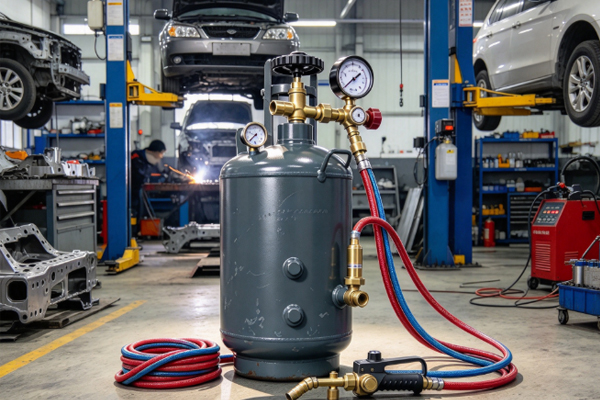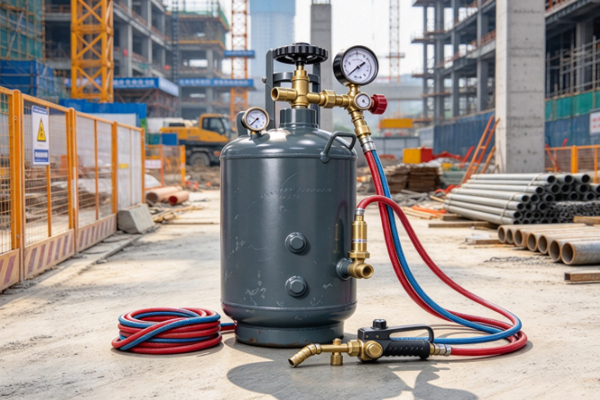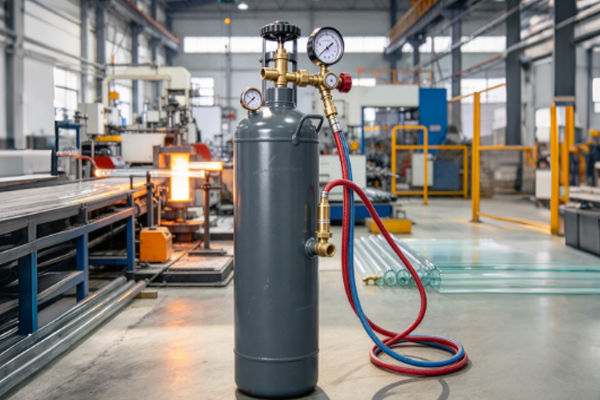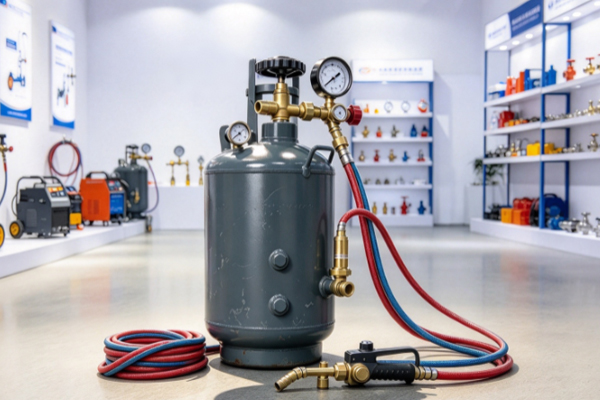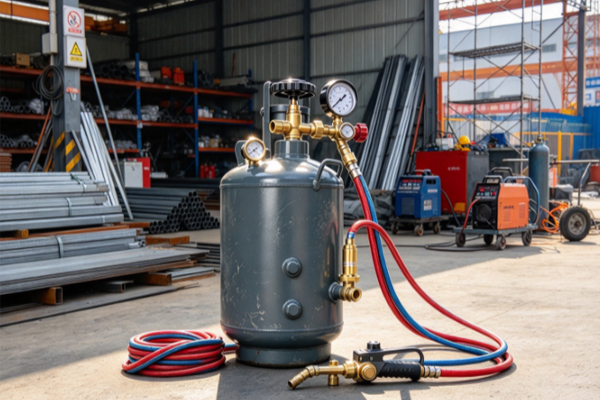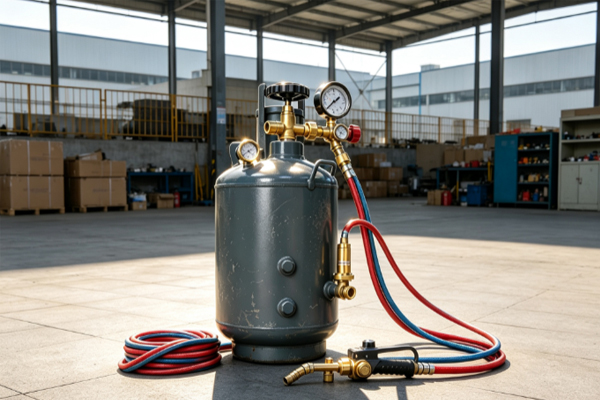
In welding and fabrication industries, the stability of acetylene supply directly affects production progress and welding performance. Many companies focus on welding machines and materials when setting up equipment but often overlook the importance of choosing the right acetylene storage tank. In fact, acetylene storage tank size is not simply about selecting a larger capacity. The right specification should be based on daily gas consumption, the number of welding stations, working hours, and installation conditions. If the tank capacity is too small, gas supply may not keep up during welding operations, causing frequent interruptions. If the tank is oversized, it may increase costs and require more installation space. For companies that perform welding operations regularly, choosing the right acetylene storage tank size helps maintain stable gas supply and smoother production.
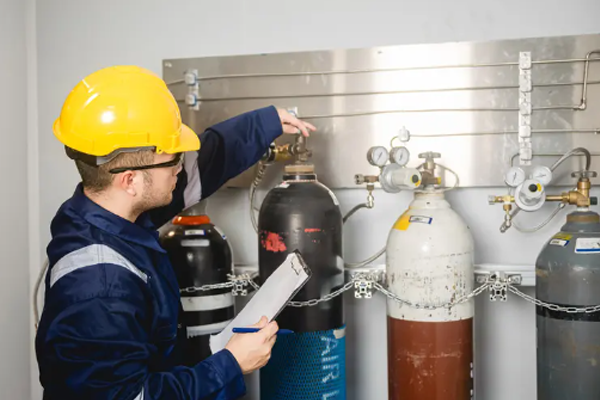
Acetylene Storage Tank Size Affects the Continuity of Welding Gas Supply
Welding operations usually require a continuous and stable acetylene supply, especially during batch production or long working hours. The tank capacity directly affects the overall working experience. Many companies estimate their needs only based on the number of current welding machines and overlook actual working hours and production intensity, which can lead to insufficient gas storage later. A properly selected acetylene storage tank size helps reduce supply interruptions and keeps welding operations running smoothly.
The main impacts include:
- Storage capacity affects operating time: A properly sized tank can support longer continuous welding operations and reduce frequent gas replacement.
- Stable supply reduces production delays: Sufficient storage capacity helps avoid work interruptions caused by insufficient gas supply.
- Improves welding efficiency: A steady acetylene supply helps maintain normal production schedules and improves overall efficiency.
For factories with daily welding tasks, tank size should not only meet short-term requirements but also consider total daily gas consumption. Proper storage planning can reduce the impact of temporary gas shortages during production.
Different Welding Applications Require Different Acetylene Storage Tank Sizes
Different companies have different welding requirements. Small repair workshops and large manufacturing plants usually use acetylene in very different ways. Smaller operations often focus on flexibility, while large production facilities pay more attention to supply capacity and continuous operation. Therefore, acetylene storage tank size should be selected according to the actual application rather than using the same specification for every business.
Common application situations include:
- Small repair workshops: Lower gas consumption makes smaller tanks with easier installation more suitable.
- General processing factories: These require a balance between storage capacity and equipment space.
- Large manufacturing plants: Multiple welding stations require higher storage capacity to ensure stable supply.
- Continuous production workshops: These place greater importance on reliable gas supply and long-term planning.
If a company only performs occasional welding work, a large storage tank may not be necessary because it increases investment and takes up more space. However, for factories with heavy production workloads, smaller tanks may not provide enough capacity. Matching the tank size with actual production needs is the better approach.
Acetylene Storage Tank Size Affects Installation Layout and Convenience
Besides influencing gas supply capacity, acetylene storage tank size also affects equipment installation and daily management. Some companies focus only on capacity during purchasing but fail to measure the installation area in advance. This can lead to problems such as unsuitable placement or difficult pipeline connections after delivery. Proper planning before installation helps avoid unnecessary adjustments.
Important installation factors include:
- Equipment footprint: Tank length, diameter, and height affect the available installation area.
- Pipeline connection distance: A suitable tank location can simplify gas pipeline design.
- Maintenance space: Sufficient surrounding space makes inspection, repair, and routine management easier.
Different tank capacities come with different external dimensions. When selecting equipment, companies should consider both tank size and site conditions to ensure sufficient gas supply without affecting other production areas.
What Factors Should Be Considered When Choosing Acetylene Storage Tank Size?
When selecting an acetylene storage tank size, companies should consider their actual operating conditions rather than focusing only on product specifications. Each factory has different production methods and gas consumption patterns, so a specification suitable for one company may not be suitable for another. Proper planning helps the equipment perform more effectively.
Key factors include:
- Daily acetylene consumption: An important reference for determining storage capacity.
- Number of welding machines: More simultaneous operations require stronger gas supply capability.
- Future production changes: Future increases in workload should be considered during selection.
- Available installation space: Tank dimensions must match the actual site conditions.
For companies that use acetylene regularly, choosing the right tank specification is more practical than making frequent equipment adjustments later. A suitable size can meet current welding needs while leaving room for future production changes.
Acetylene storage tank size has a direct impact on welding gas supply stability, production efficiency, and equipment installation. When selecting a tank, companies should consider gas consumption, the number of welding stations, working hours, and site conditions instead of simply choosing the largest capacity. The right acetylene storage tank specification can provide a more stable gas supply system, reduce unnecessary production issues, and improve daily welding efficiency.