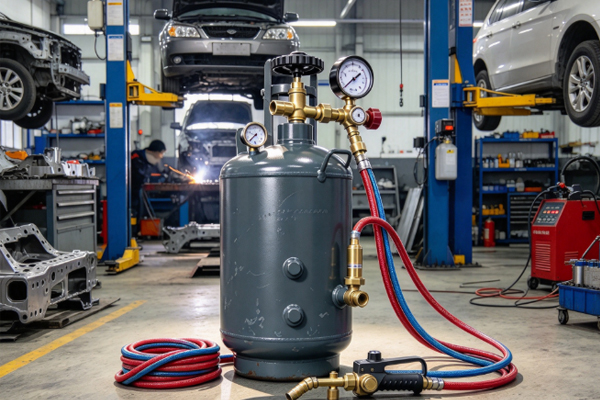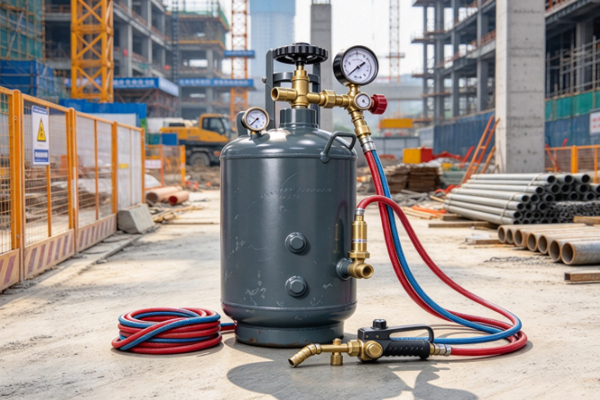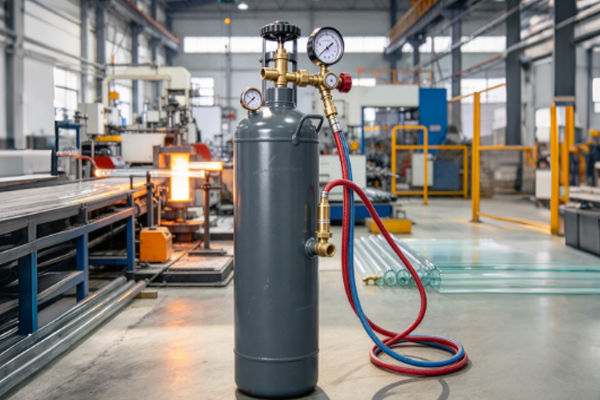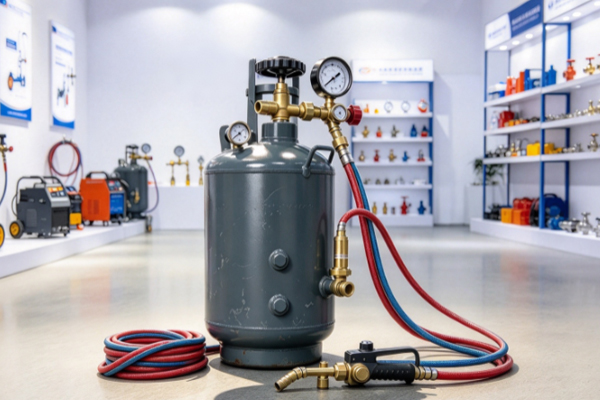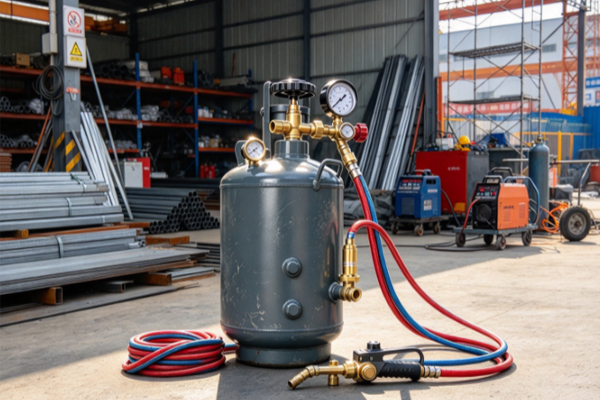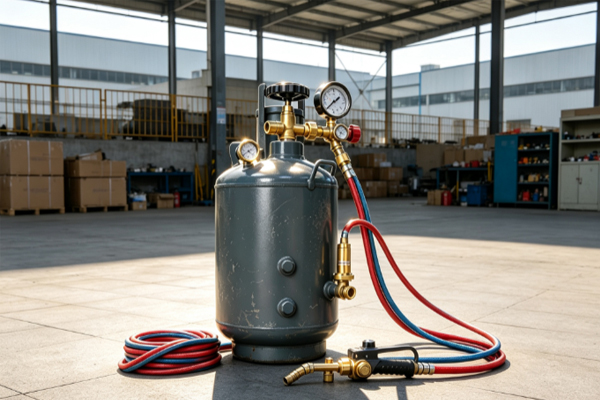
After an acetylene storage tank has been used for several days, one practical question often comes up: how much acetylene is actually left? The pressure gauge may still show pressure, but that does not always mean there is enough gas to finish the job. Some operators change the tank too early, while others keep using it until the gas supply becomes insufficient during cutting or welding. Acetylene is stored differently from ordinary compressed gases, so the pressure gauge should not be treated like a fuel gauge. If you want a more reliable estimate, you need to look at the tank weight, product markings and actual gas consumption.
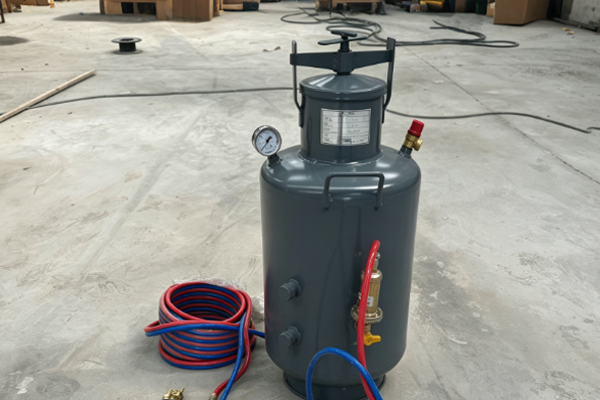
How Do You Check the Remaining Acetylene in a Storage Tank?
The remaining acetylene should not be judged simply by looking at the pressure gauge. Dissolved acetylene storage tanks use a special solvent and porous mass to store the gas. Temperature can affect the pressure reading, so pressure and actual acetylene content do not change in a simple one-to-one ratio. During routine checks, the gauge can be used to observe the operating condition, while other information can help estimate the remaining contents.
- A pressure reading does not directly show the percentage of acetylene remaining.
- Changes in ambient temperature can cause the pressure reading to rise or fall.
- If the storage tank has a dedicated contents indicator, use it according to the manufacturer’s instructions.
- Without a dedicated contents indicator, weighing the tank can provide a more useful estimate.
- When an accurate measurement is required, ask the supplier or qualified personnel to check the tank.
This is especially important during regular acetylene storage tank use in welding and cutting workshops. The pressure gauge is useful for monitoring the gas supply condition, but it should not be used to calculate the remaining acetylene directly. Relying only on pressure can lead to unnecessary tank changes, or worse, leave the operator with insufficient gas halfway through a cutting job.
How Do You Check Remaining Acetylene by Weighing the Tank?
For an acetylene storage tank without a dedicated contents indicator, weighing is one of the more practical methods available. Before weighing the tank, check the nameplate and the weight information supplied by the manufacturer, including the applicable tare weight. A tank marked 40 L or 60 L does not mean that it contains 40 L or 60 L of acetylene, so tank water capacity should not be used directly to calculate the remaining gas.
- Check the tank nameplate and confirm the relevant weight information.
- Use an industrial scale with a suitable load capacity.
- Keep the tank stable while weighing it to prevent tipping or impact.
- Compare the current weight with the applicable marked or manufacturer-provided data.
- If the result looks unusual, do not simply apply a random formula. Ask the supplier or a qualified professional to verify it.
There is also a very practical way for businesses that use acetylene every day. Record the tank weight when a new tank is put into service and record it again after the work is finished. After several records, you can get a fairly clear idea of how much acetylene a particular welding or cutting setup normally consumes. When the same weight range appears again, operators can make a much better judgment about whether the tank can finish the next job.
How Long Can an Acetylene Storage Tank Last?
In actual work, operators are usually less concerned about the exact number of kilograms remaining and more concerned about whether the tank can finish the current shift or cutting job. Once the remaining amount has been estimated, the next useful step is to compare it with the equipment’s normal gas consumption.
If the same type of cutting work is performed regularly and the equipment uses a similar amount of acetylene each day, keeping simple usage records can provide a useful reference. When the remaining amount approaches what the equipment normally consumes during one shift, it makes sense to prepare a replacement tank in advance. This is particularly useful for welding workshops, metal processing facilities and construction sites where unexpected gas shortages can interrupt ongoing work.
What Mistakes Should You Avoid When Checking Acetylene Tank Contents?
Some people try quick methods to estimate how much acetylene is left, such as listening to the tank, shaking it or simply guessing from the pressure reading. These methods do not provide dependable results. Remaining contents should be checked using suitable weighing equipment, dedicated indicators when available, and the inspection method specified by the manufacturer.
- Do not treat the pressure gauge as a direct remaining-percentage indicator.
- Do not shake or hit the tank to guess how much acetylene is inside.
- Do not remove the regulator, valve or other connected components just to make the tank easier to weigh.
- When the tank needs to be moved, use suitable handling equipment and prevent it from tipping over.
- If you notice a gas leak, abnormal heating or visible tank damage, stop using the tank and have it checked by qualified personnel instead of continuing to test the remaining contents.
Checking the remaining acetylene in a storage tank is not simply a matter of reading one number from the pressure gauge. During routine acetylene storage tank use, pressure can help monitor the gas supply condition, while tank weight, product markings and actual gas consumption records provide a more practical basis for estimating the remaining amount. For businesses that use acetylene regularly, keeping simple records each time a tank is replaced can make gas consumption much easier to predict and help prevent an unexpected shortage in the middle of welding or cutting work.