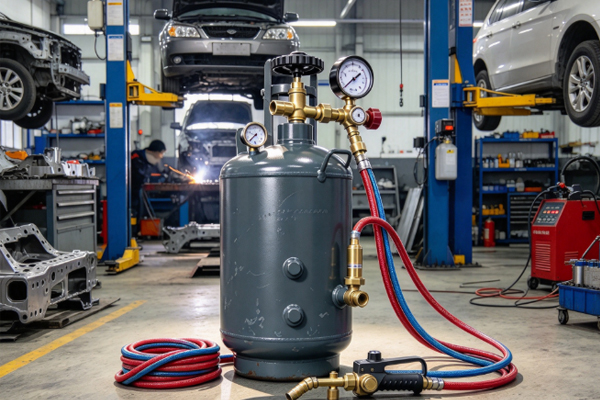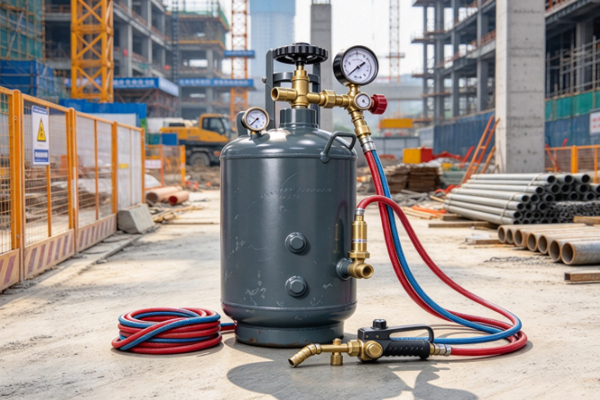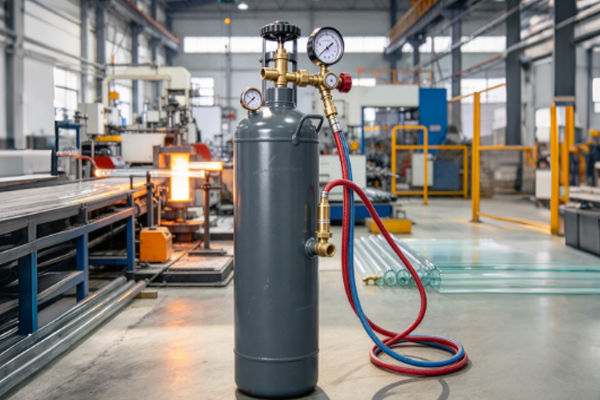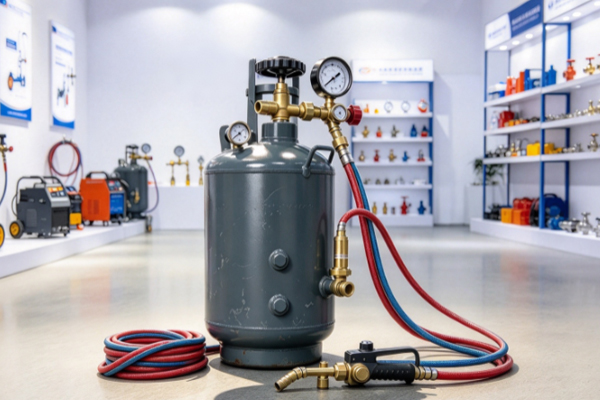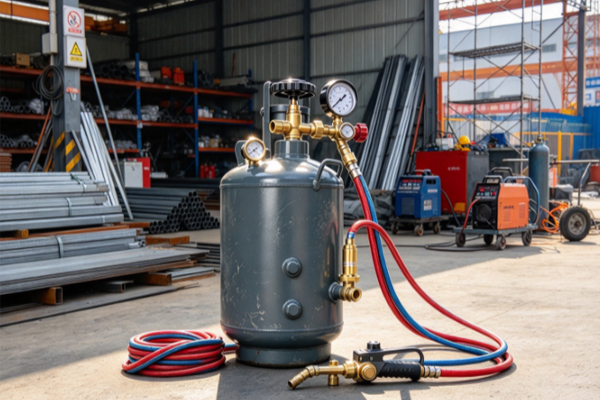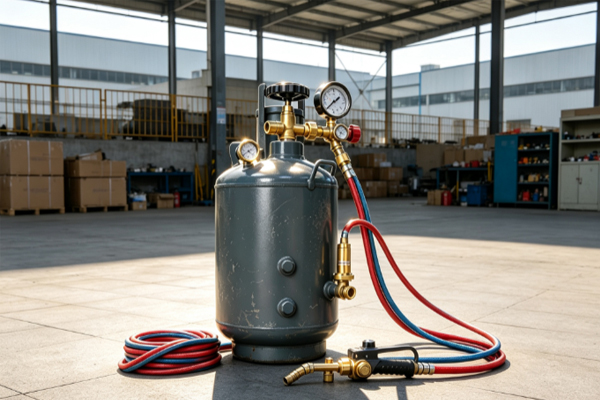
If you suddenly smell a strong odor similar to garlic or rotten eggs in a welding workshop, repair area, or gas storage zone, the first thought may be, “Is the acetylene leaking?” Do not assume it is nothing and simply keep working. Acetylene itself is colorless, but commercial acetylene normally has a noticeable odor. An unusual smell should always be treated as a warning sign. During acetylene storage tank use, if a leak occurs, the priority is not to immediately find the leak point. The first priority is to control people and ignition sources.
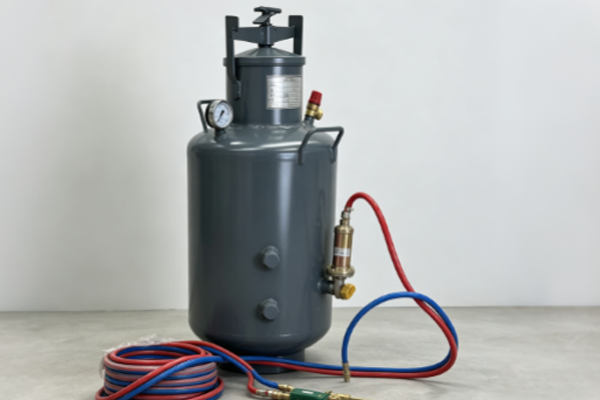
What Should You Do First If You Smell Acetylene?
When an unusual odor is detected, the speed of the response matters. Do not rush toward the equipment, and never use a lighter, phone, or other device that could create a spark to check for the source. Stop the work and quickly determine whether the area needs to be evacuated.
- Stop welding, cutting, and other open-flame operations immediately. Do not continue lighting torches or operating equipment that may produce sparks.
- Move personnel to a safe area. If the odor is strong or a significant leak is suspected, do not allow several people to remain at the site trying to inspect the equipment.
- Shut off the gas supply only if it can be done safely. If the valve is in a safe and easily accessible location, it may be closed. If reaching the valve requires entering an area where leaked gas may have accumulated, do not take the risk.
- Notify the personnel responsible for gas equipment and safety management so that trained staff can handle the situation according to the site emergency procedure.
After people and ignition sources have been dealt with, do not immediately return to the area just to “smell and see if the odor is gone.” An acetylene leak requires proper ventilation and professional inspection before the area can be considered safe for work again.
What Can Cause an Acetylene Smell During Acetylene Storage Tank Use?
A noticeable acetylene odor does not always mean that the main equipment has suffered a serious failure. Connections, valves, and gas supply lines also need attention. If the smell suddenly appears after opening the gas supply or changing a connection, the connection and operating condition should be checked.
- Odor around valves and fittings: A valve that is not fully closed, a loose connection, or a damaged seal can allow a small amount of gas to escape.
- Aging hoses or pipelines: After long-term use, hoses can develop cracks, become hardened, or suffer damage around connection points. These areas are easy to overlook.
- Odor after replacing a cylinder or connecting gas supply equipment: If a connection has not been properly installed after replacement or maintenance, a noticeable odor may appear quickly.
- Poor ventilation in the acetylene storage tank use area: Even a small leak can produce a noticeable odor when ventilation is poor and gas cannot disperse effectively.
If the odor keeps coming back, do not assume that everything is fine simply because you cannot smell it at a particular moment. Stop using the equipment and have trained personnel inspect the valves, fittings, pipelines, and other connection points.
What Should You Never Do When an Acetylene Leak Is Suspected?
The biggest problem during an acetylene leak is not simply reacting too slowly. It is someone trying to find the leak by switching on electrical equipment, using a flame, or entering an area where gas may already have accumulated. Acetylene is highly flammable, so a leak should never be handled like a leaking water pipe.
Never use an open flame to look for an acetylene leak. Lighters, matches, and welding torches must not be used for leak testing. Do not casually operate electrical equipment that may generate sparks either. If people are already in an area with a strong gas odor, move to a safe location and notify trained personnel. If the leak cannot be located, the odor continues to become stronger, or there is an obvious fire hazard, follow local emergency procedures and contact the appropriate emergency services rather than trying to handle the situation yourself.
How Can You Reduce Odor and Leak Risks After Acetylene Storage Tank Use?
Taking care of small details during routine work is usually much easier than dealing with a problem after it happens. After acetylene storage tank use, the gas supply should be shut off according to the equipment instructions and supplier requirements, and the gas supply system should be left in an appropriate condition. Workers should also develop the habit of stopping work and checking the system whenever an unusual odor is detected instead of waiting until the smell becomes stronger.
- Check the condition of valves, fittings, and hoses before each use. Do not continue using damaged or abnormal components.
- Confirm that the gas supply has been properly shut off after work to prevent the equipment from remaining connected to the gas supply without supervision.
- Keep the acetylene work area well ventilated and prevent gas from accumulating in enclosed, low-lying, or poorly ventilated locations.
- Arrange regular inspections of the gas supply system by qualified or properly trained personnel, especially when unusual odors occur repeatedly.
For businesses, acetylene storage tank use management should not focus only on whether the equipment is supplying gas normally. Odor, valve condition, pipeline condition, and site ventilation all deserve attention during routine checks. When something goes wrong, being able to stop work, evacuate personnel, and shut off the gas supply quickly can make a major difference.
If you smell acetylene, do not think, “I can work for a few more minutes.” Stop the operation immediately, stay away from flames and equipment that may produce sparks, and shut off the gas supply only when it is safe to do so. If an unusual odor repeatedly appears during acetylene storage tank use, do not simply rely on ventilation to cover up the problem. Have trained personnel inspect the valves, fittings, and pipelines. Treating an unusual odor as a clear warning signal can make the worksite much safer.