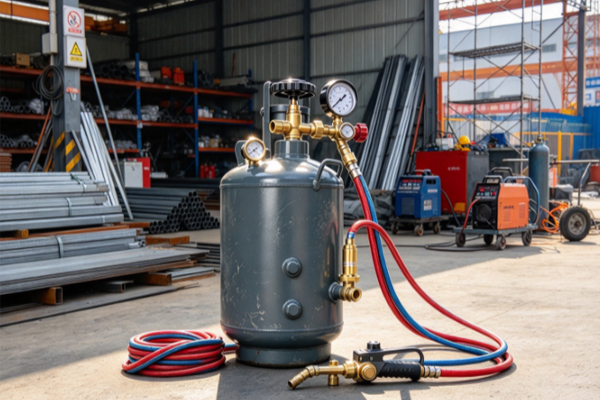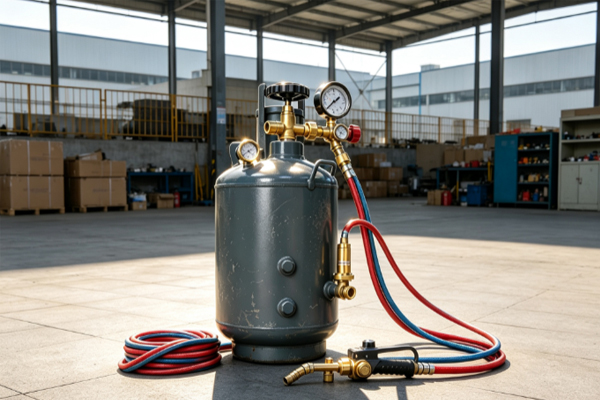
“How many years can an acetylene storage tank actually be used?” This is a common question when purchasing new equipment or managing tanks that have been in service for years. In practice, there is no single answer such as 10, 15, or 20 years that applies to every tank. When we help customers select and manage acetylene storage tanks, we recommend paying attention to several key time points: the first inspection after commissioning, subsequent periodic inspection intervals, and the safety condition of the equipment during long-term operation. For fixed pressure vessels, service life should always be considered together with inspection results rather than judged only by the equipment’s purchase date.
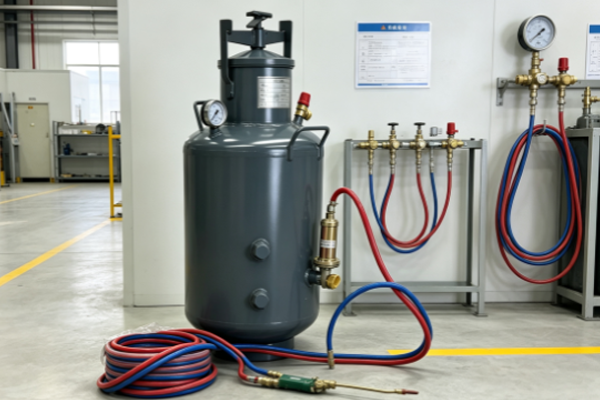
How Many Years Can an Acetylene Storage Tank Usually Be Used?
The service life of an acetylene storage tank depends on its design, manufacturing quality, operating conditions, and maintenance history. If the design documents specify a service life, those documents and applicable requirements should be used as important references. If no specific service life is stated, periodic inspection and the actual condition of the equipment become increasingly important as the tank ages. Pressure vessel requirements provide inspection procedures for both the first periodic inspection and subsequent inspection cycles, so a tank should not simply remain in service until it reaches a predetermined year.
- Years 1–3: Maintain complete daily operating records, annual inspection records, and equipment documentation.
- Around Year 3: A fixed pressure vessel will generally require its first periodic inspection. The exact timing depends on the equipment category and applicable inspection requirements.
- After the first inspection: Subsequent inspection intervals are determined by the equipment’s safety condition, with 3–6 years being a common management interval.
- After 20 years of use: If the design documents do not specify a service life, the equipment should be reassessed to determine whether it has reached its design service life and whether continued operation is permitted after the required inspection.
In other words, an acetylene storage tank does not automatically have to stop operating simply because it reaches a particular year. Equipment that remains in good condition and passes the required inspections can continue to operate in accordance with applicable requirements. If an inspection identifies problems, repair, safety assessment, or other corrective action may be required.
After How Many Years Should an Acetylene Storage Tank Receive Extra Attention?
When equipment is newly commissioned, many problems may not be immediately visible. As operating time increases, the condition of the tank body, safety accessories, and connection points deserves closer attention. When supplying acetylene storage tanks to customers, we also recommend managing the equipment age together with previous inspection records. This provides a more useful picture than simply looking at how many years the tank has been in service.
- Years 1–3: Keep operating, maintenance, and inspection records complete, and address abnormalities promptly.
- Years 3–6: Pay close attention to the first periodic inspection and subsequent inspection results, then schedule the next inspection according to the interval determined by the inspection institution.
- Years 6–10: With longer operation, pay greater attention to the tank body, safety accessories, and areas where abnormalities are more likely to develop.
- Years 10–20: Do not judge the equipment only by whether it is still operating normally. Continue reviewing previous inspection conclusions, repair records, and replacement records.
As equipment gets older, management should not be reduced to simply “it still works, so keep using it.” For acetylene storage tanks that have been in service for many years, especially when inspection records are incomplete or the tank has experienced abnormalities or repairs, professional inspection should be arranged in advance.
Can an Acetylene Storage Tank Still Be Used After 20 Years?
“Does an acetylene storage tank have to be scrapped after 20 years?” This is a common misunderstanding among users of older equipment. For a pressure vessel whose design documents do not specify a service life, actual use beyond 20 years may be treated as reaching its design service life. Reaching this point does not mean that the equipment must stop operating immediately. It means that continued operation requires a more thorough confirmation of its safety condition.
If the equipment needs to remain in service, it should be inspected by a qualified special equipment inspection institution. Where necessary, a safety assessment may also be required. Continued use should then be determined based on the inspection and assessment results.
In this sense, 20 years is better viewed as an important reminder for managing aging equipment rather than a simple “scrap line.” For tanks that have been in service for a long time, have incomplete documentation, or have uncertain operating conditions, continued use should not be judged solely by appearance or normal day-to-day operation.
When Should an Acetylene Storage Tank Be Replaced?
The decision to replace an acetylene storage tank ultimately depends on its inspection results and actual condition. If the tank develops a problem that affects safe operation, it should not remain in service simply because it has not yet reached 20 years. On the other hand, equipment that has been in service for many years but still meets applicable requirements after professional inspection should not automatically be considered obsolete based only on its age.
In daily equipment management, pay particular attention to the following situations:
- An inspection identifies defects in the tank body that may affect safe operation and require action according to the inspection conclusion.
- Safety accessories or connection points show persistent abnormalities and still fail to meet operating requirements after repair.
- Technical documents or inspection records are seriously incomplete, making it difficult to confirm the actual safety condition of the equipment.
- The tank is approaching or has exceeded its design service life and requires professional inspection and safety assessment.
- Operating conditions have changed significantly and the original design conditions no longer match the current application.
For customers preparing to purchase a new acetylene storage tank, we recommend considering the equipment design documentation, manufacturing quality, intended operating conditions, and future inspection management rather than focusing only on a single number for service life. This makes it easier to plan when the tank should be inspected, maintained, or replaced during its subsequent operation.
The key question is not simply how many years an acetylene storage tank can last, but which time points require attention. The first periodic inspection is generally arranged around three years after commissioning, with later inspections scheduled according to the interval determined by the inspection institution. Once equipment has been operating for more than 10 years, previous inspection records and its actual condition deserve greater attention. When a tank approaches or exceeds 20 years, its design service life and conditions for continued use should be reassessed. Managing these time points in advance helps support more reliable acetylene storage tank operation while making future equipment replacement and purchasing plans easier to manage.