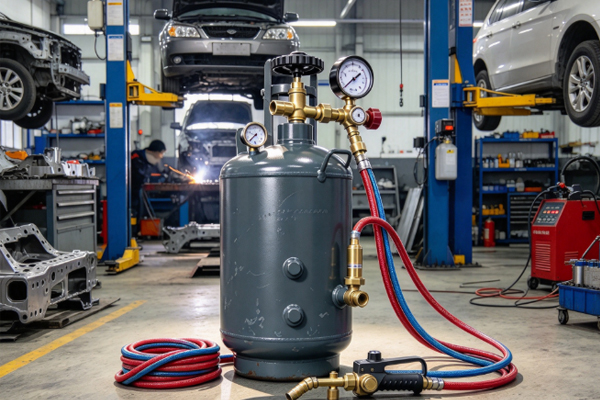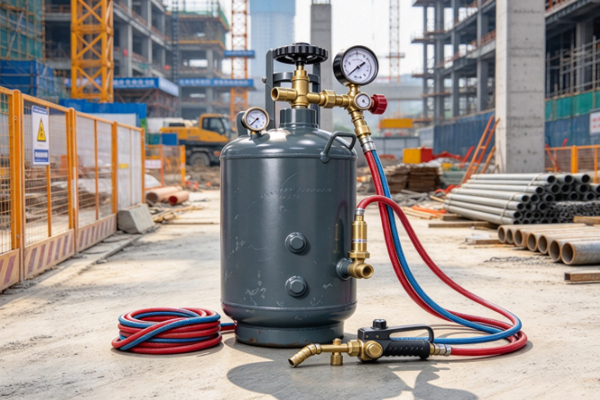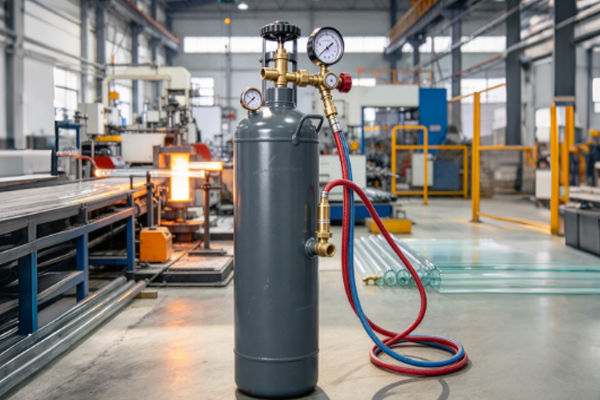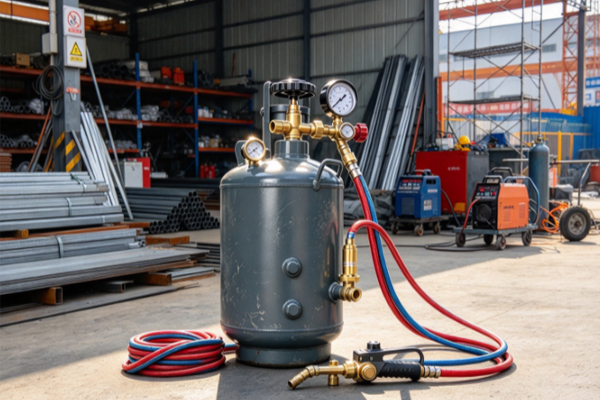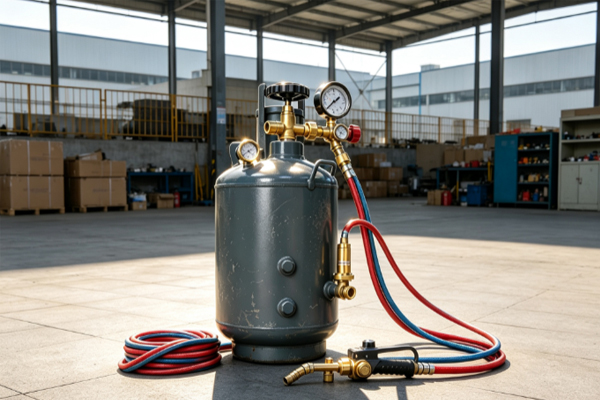
After welding or cutting work is finished, many workers naturally focus on putting out the flame and packing up their tools. Gas cylinders and gas storage equipment often get left until the very end. But turning off the torch does not mean the acetylene system is fully shut down. The gas supply, regulator, and connected lines all need to be placed in the proper shutdown condition. This is especially important on construction sites that are left unattended overnight. Taking a few extra minutes at the end of the job can make everyday acetylene storage tank use much easier and safer.
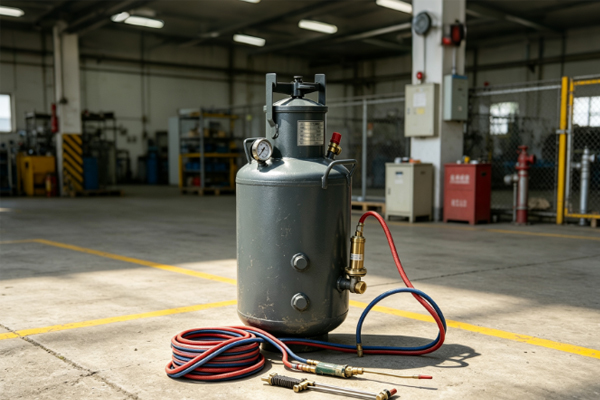
How Should You Shut Off an Acetylene Tank After Gas Supply Stops?
The shutdown procedure should follow the operating instructions for the specific equipment on site. Single cylinders, cylinder groups, and centralized gas supply systems can have different layouts, so do not simply turn a valve because it looks like the main valve.
- Stop the gas-consuming equipment first. Once welding or cutting is finished, make sure the flame is extinguished and no equipment is still using acetylene.
- Close the acetylene gas supply valve. The supply valve on the tank or cylinder should be placed in the required closed position. Simply closing the valve on the torch is not enough.
- Check the regulator side. If the equipment instructions require residual pressure in the regulator or connected lines to be handled, this should be done by trained personnel following the specified procedure. Do not remove pressurized components yourself.
- Confirm that gas supply has stopped. Check the valve position and pressure indication. If anything looks unusual, do not simply leave the site.
One point is easy to get wrong: extinguishing the flame and shutting off the acetylene supply are not the same thing. A short work break may have different site requirements from the end of a working day. When equipment will be left unattended for a longer period, the gas supply should be isolated as required by the site procedure.
Why Can’t You Just Close One Valve on an Acetylene Tank?
Construction-site gas supply equipment often has more than one connection point, especially when cylinder groups or centralized gas supply systems are being used. Closing one valve does not necessarily mean the entire system has reached its required shutdown condition. At the end of a job, what matters is confirming that the gas source, regulator side, and user side are all in the correct state.
- Single-cylinder systems are relatively straightforward, while cylinder groups require careful attention to valve labels. Do not rely only on valve position to decide which one is the main valve and which one controls a branch.
- Make the equipment status clear during shift changes. The next worker should know that the gas supply has been shut off and which valves are closed.
- Treat short breaks and overnight shutdowns differently. A few hours during lunch and several days of site shutdown may require different procedures.
- Do not casually dismantle equipment that will remain unused for a long time. Regulators, gas lines, and safety components should be handled according to the manufacturer’s instructions and site procedures.
Put simply, it is much better to leave the equipment in a condition where the next person can immediately see that it has been shut down than to rely on someone remembering, “I turned that valve earlier.”
What Should You Check After Shutting Off an Acetylene Tank?
The final check does not need to be complicated, but a few easy-to-miss details should not be skipped. This is especially useful on construction sites where welding areas are spread out and workers frequently change shifts. Spending one more minute checking the equipment can save much more time the next day.
- Check that the acetylene supply valve is in the required closed position.
- Check the regulator, hoses, and connection points for obvious abnormalities. If a leak is suspected, never use a match, lighter, or other open flame to test for it.
- Make sure there are no remaining flames, hot-work activities, or other ignition sources near the equipment.
- Acetylene cylinders should remain upright and properly secured as required by the site, away from conditions that could cause impact or excessive heat exposure.
- If a valve cannot be properly closed, the equipment is damaged, or there is an obvious gas leak, do not keep forcing the valve or attempt to repair the equipment yourself. Have trained and authorized personnel handle the situation.
If there is an obvious gas leak that cannot be safely controlled, the priority is not to keep experimenting with the equipment. Stay away from ignition sources and follow the site’s emergency procedures.
What Should You Do If an Acetylene Tank Will Not Be Used for a Long Time?
For normal daily shutdown, closing the gas supply and completing the required site check is usually part of routine equipment management. However, when the equipment will remain out of service for an extended period, it should not simply be left with the valve closed. Long-term shutdown can involve storage conditions, gas lines, regulator components, and procedures for returning the equipment to service. The exact requirements depend on the equipment design and manufacturer’s instructions. Centralized gas supply systems can be considerably more complicated than single-cylinder systems, so unauthorized venting, dismantling, or modification of safety components should be avoided. Before the equipment is used again after a long shutdown, it should be checked by qualified personnel in accordance with the applicable site procedures rather than simply opening the valve and starting work again.
Properly shutting down an acetylene tank is really about finishing the day’s gas work properly: stop the equipment, shut off the gas supply, handle the regulator side as required, and confirm that the system is in the proper shutdown condition. During everyday acetylene storage tank use, spending a few extra minutes on shutdown is much better than assuming everything is fine and walking away. If a valve malfunctions, the equipment is damaged, or a leak is suspected, do not force or dismantle the equipment yourself. Have trained and authorized personnel deal with it. It may take a little longer at the end of the day, but it makes the next start-up much more straightforward.