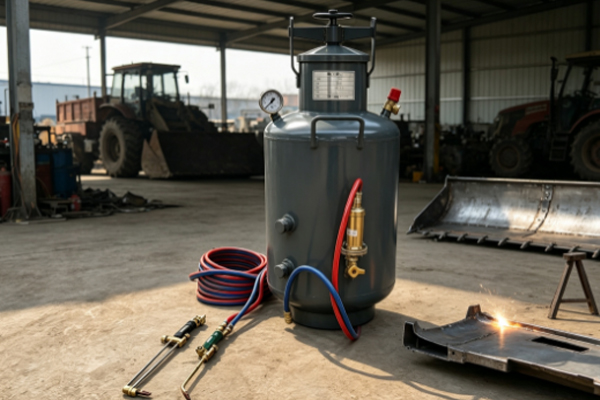
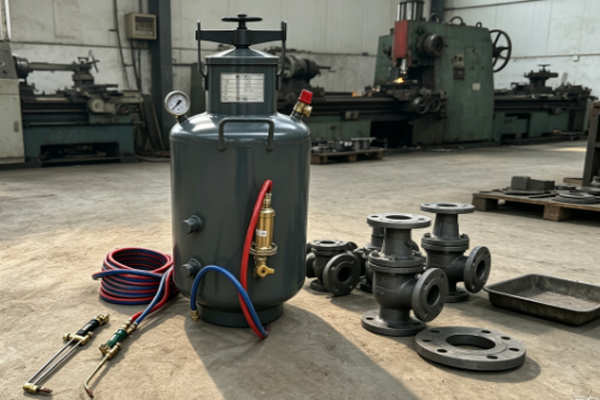
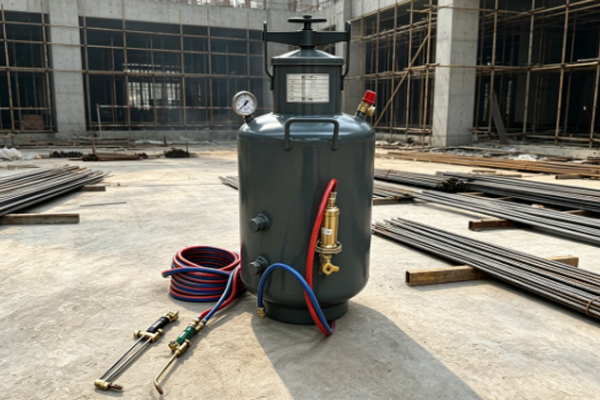
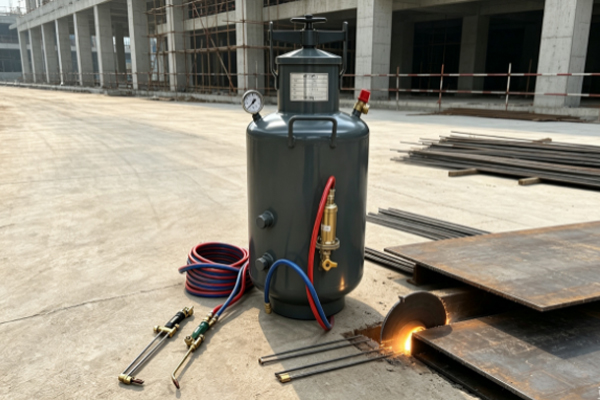
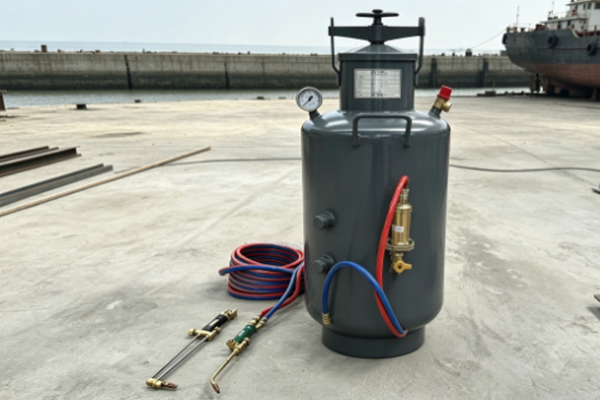
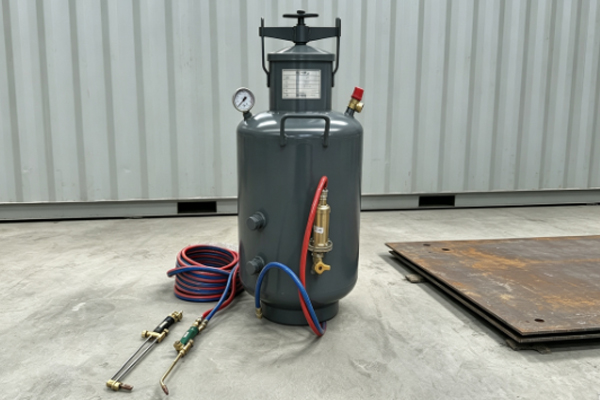
Sudden gas supply interruptions, valves that become increasingly difficult to turn, or unusual odors around connections after a valve has been closed are all warning signs worth taking seriously. Although a valve may seem like a small component, it directly affects acetylene delivery and equipment operation. Improper handling can also create serious safety risks. For factories that regularly use acetylene for welding and metal cutting, operators need to know how to handle valves correctly and what to do when something goes wrong. Regular inspections and timely fault handling can reduce production downtime and make acetylene storage tank operation safer and more reliable.
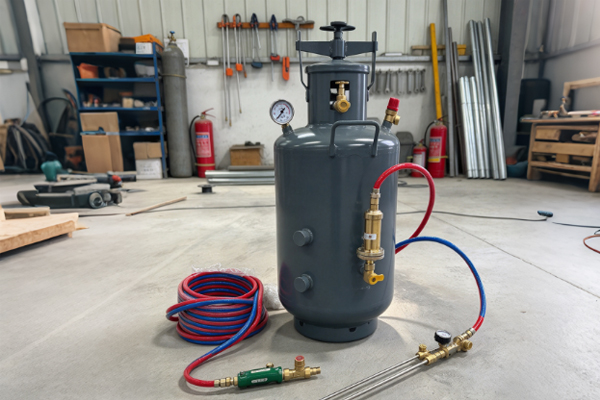
How Should Acetylene Storage Tank Valves Be Operated Correctly?
Operating a valve is not just about getting the job done quickly. When equipment supplies gas continuously, operators must pay attention to valve positions and changes in gas flow. Daily operations should follow the equipment manufacturer’s instructions and site procedures, as valve designs and operating requirements vary by model.
- Inspect the valve before operation. Check for corrosion, deformation, damage, or unusual odors. Stop using the equipment if anything appears abnormal.
- Open and close the valve smoothly according to the specified procedure. Never force a stiff valve with tools.
- Monitor pressure gauges and downstream equipment during gas supply. If pressure fluctuates suddenly or the gas supply stops unexpectedly, suspend the relevant operation and arrange a professional inspection.
- After work, shut off the gas supply as instructed and confirm that the valve is in the required position to prevent unattended gas flow.
Even simple opening and closing operations can accelerate component wear if performed incorrectly over time. If a valve feels unusual or cannot be closed properly, do not keep trying or dismantle it for inspection.
What Are the Common Faults of Acetylene Storage Tank Valves?
Valve problems do not always appear as obvious leaks. Sometimes, the valve becomes difficult to operate or the gas supply fluctuates, which can easily be mistaken for insufficient gas. The following table outlines common symptoms and recommended responses. A qualified professional should confirm the actual cause of each fault.
| Common Fault | Possible Symptoms | Recommended Response |
| Difficult valve operation | Stiff movement or resistance when opening or closing | Stop forcing the valve and contact qualified personnel |
| Suspected gas leakage | Unusual odor around the valve or connections | Stop the relevant work and follow emergency procedures |
| Unstable gas supply | Pressure fluctuations or abnormal downstream operation | Have qualified personnel inspect the valve and gas supply lines |
| Damaged components | Deformation, corrosion, or visible damage | Take the affected equipment out of service and arrange inspection or replacement |
Keep in mind that gas supply problems may also originate from piping, pressure regulators, or other accessories. Repeatedly operating the valve without identifying the cause may fail to solve the problem and could make the fault worse.
What Should You Do If an Acetylene Storage Tank Valve Leaks?
If an acetylene leak is suspected near a valve, do not rush to locate the leak or use an open flame to test it. Stop the relevant work immediately, move people away from the danger area, and avoid open flames or operating electrical equipment that could generate sparks. If the leak is obvious, the odor persists, or the risk cannot be assessed, evacuate the area and contact qualified emergency responders. Shutoff measures should only be carried out under the established emergency procedure when it is safe to do so without entering a hazardous area. Valve repairs, dismantling, and work on pressurized components must be handled by appropriately qualified professionals. Gas supply must not resume until the site has been inspected and confirmed safe.
How Can You Reduce Acetylene Storage Tank Valve Failures?
Waiting until a valve fails before arranging repairs can disrupt the entire gas supply line. Factories can reduce avoidable downtime by improving routine inspections, recording abnormalities promptly, and addressing problems before the equipment becomes unusable.
- Regularly inspect valves and connections. Report corrosion, damage, or unusual odors as soon as they are noticed.
- Never replace a valve or accessory with an incompatible component. Verify the model, connection type, and suitability for the intended operating conditions.
- Keep the equipment area clean and well ventilated. Protect valves from impacts and keep flammable materials away from the installation area.
- Train operators to recognize leaks, abnormal pressure changes, and valve malfunctions, and ensure they understand the site’s emergency procedures.
Although acetylene storage tank valves are relatively small components, their condition should never be overlooked. Correct operation, early recognition of abnormal conditions, and professional maintenance can help reduce gas supply interruptions and safety risks. If your factory needs an acetylene storage tank or replacement valves, provide the equipment model, connection specifications, and gas consumption requirements in advance. This makes it easier to verify compatibility and avoid unnecessary installation and operating problems.