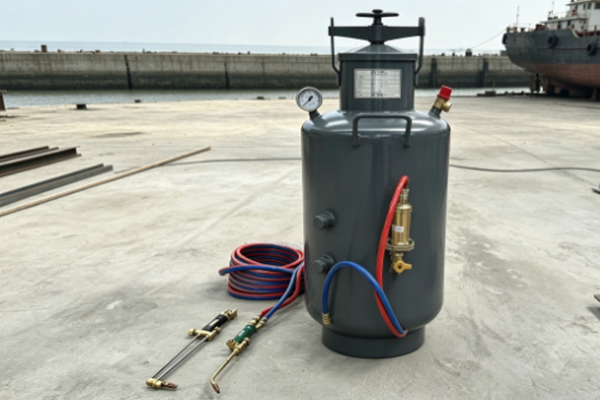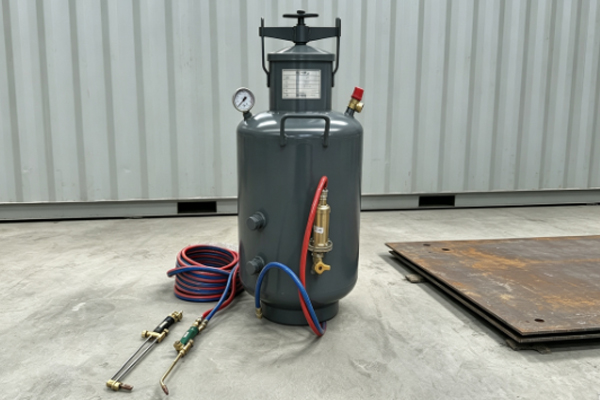
How long will a tank of acetylene last? The answer directly affects welding schedules and how much backup gas you need on-site. Occasional metal repairs consume far less gas than several hours of continuous cutting every day. If you are using a tank labeled 10 CF, you probably want to know whether it can last half a workday and how many tanks you should prepare. If the actual usable gas volume is 10 cubic feet, it would theoretically last about 5–10 hours at a consumption rate of 1–2 CF per hour, or around 2.5–3.3 hours at 3–4 CF per hour. These are mathematical estimates only. They do not mean a small cylinder can safely supply gas at every rate listed. Actual use depends on the cylinder specifications, torch requirements, and the manufacturer’s safety limits.
How Long Does a 10 CF Acetylene Tank Last? Estimated Runtime
To estimate runtime, divide the actual usable gas volume by the equipment’s hourly acetylene consumption. The table below assumes that 10 CF represents the actual usable gas volume.
| Gas Consumption per Hour | Theoretical Runtime |
| 1 CF/hour | About 10 hours |
| 2 CF/hour | About 5 hours |
| 3 CF/hour | About 3.3 hours |
| 4 CF/hour | About 2.5 hours |
- Intermittent welding: If the torch is used for short periods each day, the cylinder may last several days. Total torch-on time matters more than the length of the workday.
- Continuous cutting: A larger cutting tip and higher gas consumption will shorten runtime.
- Multiple tools operating at once: Total gas demand increases, so you cannot estimate runtime using the consumption rate of just one tool.
One important point: acetylene cylinders have maximum safe gas withdrawal rates. Common technical guidance limits withdrawal from a single cylinder to approximately one-seventh of its gas capacity per hour. If 10 CF represents the cylinder’s total gas capacity, this would equal about 1.43 CF per hour. Always verify the applicable limit with your gas supplier and equipment documentation. If your cutting torch requires a higher flow rate, do not force a single small cylinder to supply it.
What Affects the Runtime of a 10 CF Acetylene Tank?
The same cylinder may seem to last a long time for one user but run out quickly for another. The difference usually comes down to equipment specifications and working conditions. To estimate runtime more accurately, check the following details.
- Welding torch or cutting torch model: Acetylene consumption can vary significantly between tip sizes. Check the manufacturer’s gas consumption specifications.
- Actual torch-on time: An eight-hour workday does not necessarily mean eight hours of continuous gas consumption. Setup, material handling, and measurement all affect usage.
- Metal thickness and cutting intensity: Cutting thicker materials may require a larger tip and a higher gas flow rate.
- Actual usable gas volume: Verify the cylinder’s capacity label, filling information, and remaining gas. Appearance or pressure gauge readings alone may not tell you how much usable acetylene remains.
If you often run out of gas halfway through a job, record the actual torch-on time after each refill and compare it with your equipment’s consumption data. This makes daily gas requirements easier to estimate and helps you plan backup supplies.
What If There Is No Acetylene Refill Station Nearby? Which Supply Option Suits Remote Job Sites?
When an acetylene refill station is not available nearby, cylinder costs include more than the gas itself. You also need to account for returning empty cylinders, delivering full ones, cylinder inspections, maintenance, and backup inventory. For short projects with low gas demand, using prefilled cylinders is often more convenient. For long-term, continuous work, repeated transportation can increase costs and create delays when deliveries do not arrive on time.
- Short projects with occasional gas use: Buying or renting acetylene cylinders is often more convenient when a refill station is nearby.
- Long-term, continuous operations: Compare the equipment investment in a mobile acetylene generator with the ongoing cost of purchasing cylinder gas.
- Remote job sites: Calculate round-trip transportation costs, the number of backup cylinders required, and refill lead times to avoid work interruptions.
- Projects with high gas demand: Record daily operating hours, the number of tools running simultaneously, and the expected project duration before comparing total costs.
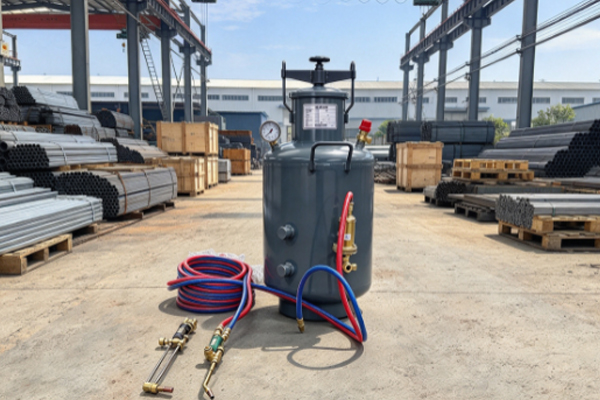
A mobile acetylene generator produces acetylene on-site through a chemical reaction between calcium carbide and water. It may be worth evaluating for long-term gas demand. However, equipment selection must meet site operating conditions and local safety requirements. Reduced cylinder transportation alone does not automatically make a generator the right choice for every project.
How Do Mobile Acetylene Generators Compare with Cylinders in Long-Term Costs?
Acetylene cylinder expenses typically include gas purchases, filling charges, cylinder depreciation, inspections, maintenance, and round-trip transportation. A mobile acetylene generator requires a different cost calculation that includes equipment purchase, calcium carbide consumption, maintenance, and operating labor. Under certain conditions, on-site gas generation may reduce total costs by 40%–60% compared with long-term cylinder purchases. However, this is not a guaranteed saving. Actual results depend on gas demand, local prices, transportation costs, equipment efficiency, and maintenance expenses. Before buying, verify the generator’s rated output, safety features, training requirements, and maintenance needs rather than comparing equipment prices or advertised savings alone.
A 10 CF acetylene tank may theoretically last around 2.5–10 hours, depending on the assumed consumption rate, but the actual usable gas volume and safe withdrawal limit may restrict its practical use. If you are choosing acetylene cylinders or comparing a mobile acetylene generator for long-term work, contact us with the cylinder label, torch model, daily operating hours, destination country, port of destination, and planned order quantity. We can help verify the specifications, estimate gas demand, and calculate your budget so you can choose a suitable supply option for your job site.