When an acetylene cylinder runs out of gas, one question usually comes first: How much does it cost to refill it? For occasional welding or cutting jobs, buying refillable acetylene cylinders is convenient. But when a construction site uses gas every day, refill charges, round-trip transportation, and cylinder handling can add up quickly. The situation becomes even more challenging when there is no acetylene refill station nearby. Empty cylinders must be transported out and full ones brought back, adding both time and expense. To estimate acetylene tank prices and gas supply costs accurately, you need to consider not just the refill price, but also actual gas consumption and project duration.
How Much Does It Cost to Refill an Acetylene Cylinder?
There is no single nationwide price for acetylene refills. The actual cost depends on the location, cylinder specifications, amount of gas supplied, and delivery arrangements. A common 40-liter acetylene cylinder does not necessarily contain 40 liters of usable acetylene gas under normal conditions. When requesting a quote, confirm the actual gas quantity and how the supplier calculates the charge.
- Local refill prices vary. Areas with several refill stations may offer more choices. Remote job sites that require special transportation can face significantly higher costs.
- Cylinder specifications and actual fill quantities affect the bill. Don’t ask only for the price per cylinder. Confirm how much acetylene gas is supplied with each refill.
- Delivery may cost extra. Some quotes cover gas refilling only, while empty-cylinder collection, full-cylinder delivery, and loading or unloading are charged separately.
- Bulk or regular orders may qualify for different pricing. If you need refills every week, sharing your monthly consumption and delivery schedule can make it easier to calculate the total cost.
When comparing quotes, list gas charges, transportation, cylinder rental, and deposits separately. This gives you a clearer picture of the actual delivered cost and helps you determine whether a cylinder-based supply plan fits your budget.
Why Do Acetylene Cylinder Costs Add Up Over Time?
A single acetylene refill may seem affordable, but job sites with continuous gas demand also need to account for cylinder purchases or rentals, periodic inspections, maintenance, and cylinder rotation. The solvent inside acetylene cylinders must also be maintained as required. Lost or damaged cylinders and faulty valves can create additional expenses. For projects far from refill stations, repeatedly transporting empty and full cylinders can be particularly costly. For budgeting, add monthly gas charges, transportation, cylinder-related expenses, and equipment maintenance, then divide the total by actual gas consumption. This gives you the overall cost per cubic meter of acetylene rather than just the price per cylinder.
What If There Is No Acetylene Refill Station Nearby? Is a Mobile Acetylene Generator Worth Considering?
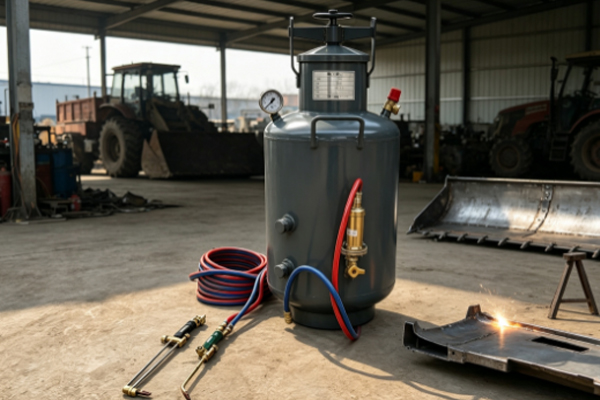
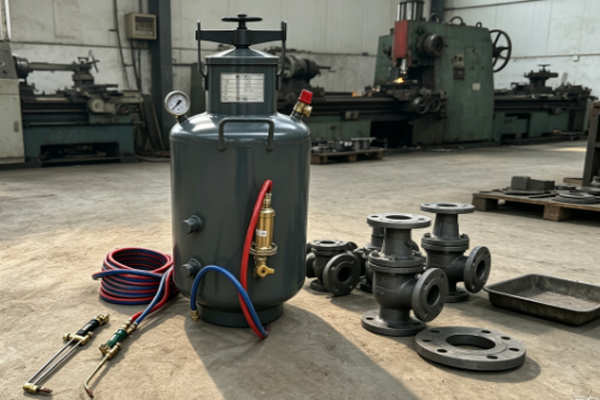
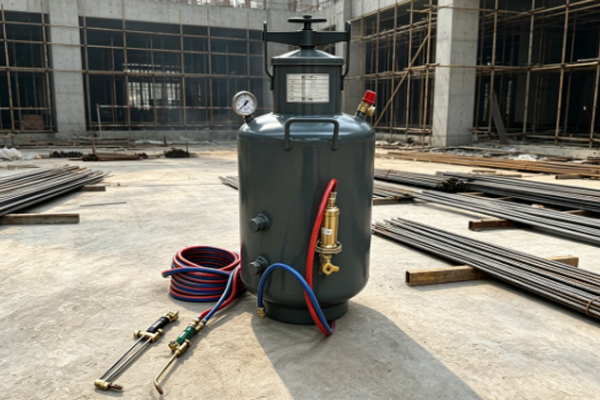
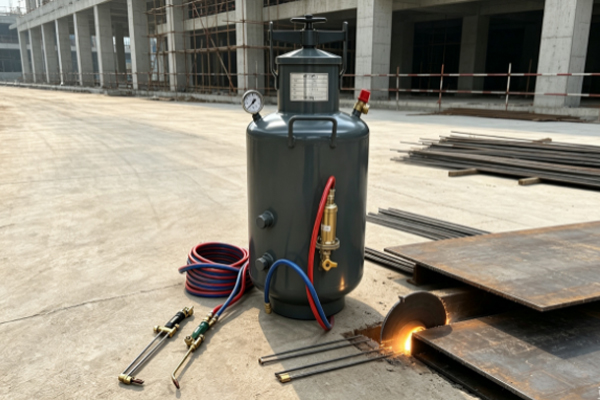
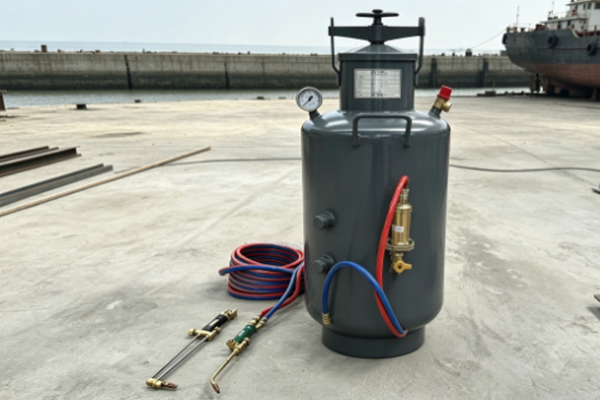
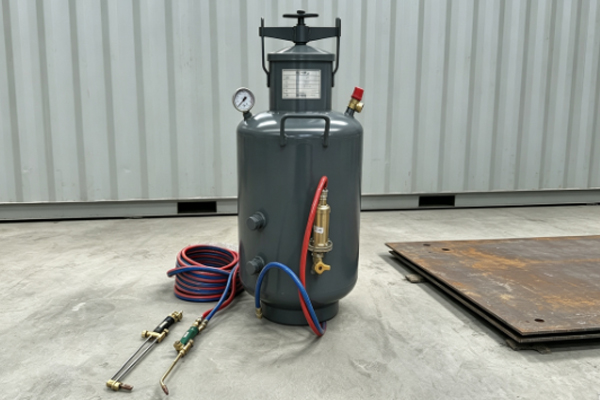
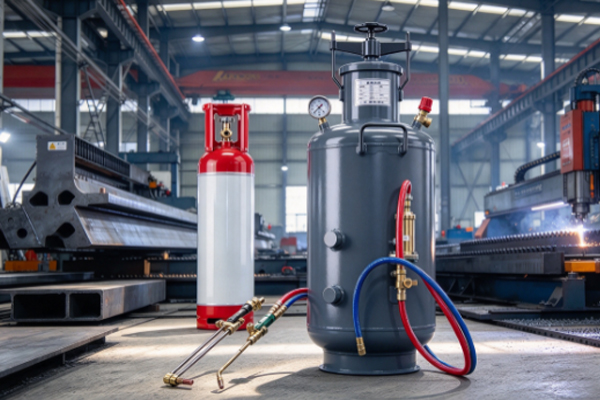
For projects with long operating periods, extended daily welding and cutting hours, or remote locations far from refill stations, a mobile acetylene generator may be an alternative gas supply option. It produces acetylene on-site through a chemical reaction between calcium carbide and water, reducing reliance on prefilled cylinders and repeated deliveries. However, equipment selection, gas production capacity, raw material availability, ventilation, and safety procedures must all be checked before use. An acetylene generator is specialized equipment and should never be operated casually.
- Long-term, continuous gas use: Evaluate on-site gas production by comparing equipment investment, raw material costs, and maintenance expenses.
- Remote construction sites: On-site production may be more economical when full-cylinder deliveries are difficult or transportation costs are high.
- Short-term or occasional jobs: If a refill station is nearby, acetylene cylinders are often more convenient and avoid the additional investment in gas production equipment.
- Multiple workstations operating simultaneously: Have qualified professionals assess total gas demand and the generator’s output capacity to prevent an undersized system from disrupting work.
A mobile acetylene generator is not suitable for every application. Its cost-effectiveness depends on local calcium carbide prices, actual gas yield, equipment utilization, and transportation conditions. Before purchasing, share your project location, daily operating hours, and estimated order quantity with us so we can help evaluate the configuration and budget.
Which Is More Cost-Effective: an Acetylene Generator or Acetylene Cylinders?
For short projects with low gas consumption and convenient access to refill stations, acetylene cylinders are usually a practical choice. They eliminate the need to purchase gas production equipment, and refilling is relatively straightforward. For long-term projects with high gas demand and no nearby refill station, a mobile acetylene generator is worth including in the cost comparison. A generator requires an initial equipment investment, along with ongoing calcium carbide purchases and proper maintenance. Cylinder-based supply, on the other hand, involves recurring refill, transportation, and cylinder management expenses. Under favorable raw material and transportation conditions, on-site production may reduce total costs for some long-term projects. However, savings vary by application, and a 40%–60% reduction cannot be guaranteed for every project. Compare both options using the expected project duration and total gas demand before making a decision.
The cost of filling an acetylene cylinder depends on its specifications, actual gas quantity, and delivery distance. For long-term use, cylinder handling and maintenance costs should also be included. Short-term projects can start by comparing the delivered price of bottled acetylene, while remote sites with continuous gas demand may benefit from evaluating a mobile acetylene generator. Contact us with your destination country, destination port, estimated gas consumption, and planned order quantity. We can help calculate the equipment configuration and overall costs so your budget better reflects the actual project requirements.