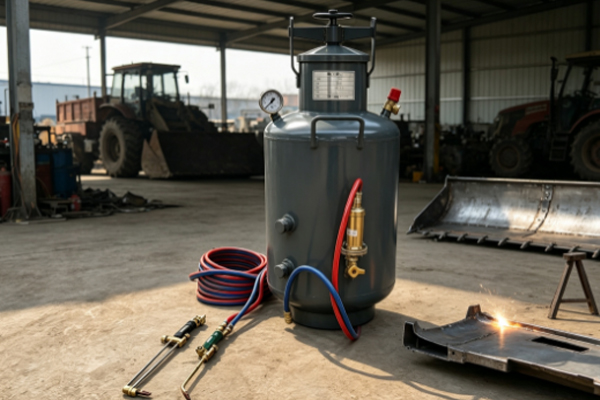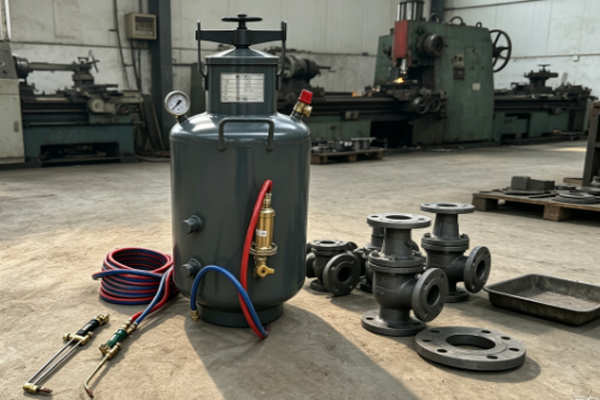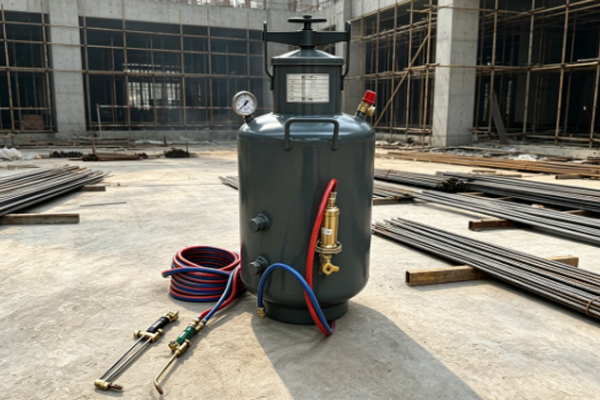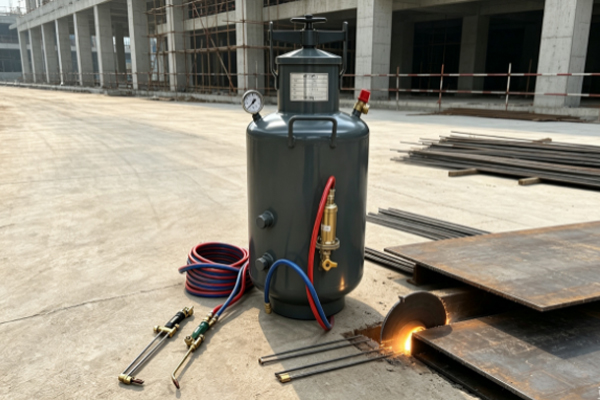
When buying an acetylene cylinder, many people ask two practical questions: How much gas does a full cylinder actually contain, and how long will it last for welding or cutting? Looking only at the 40L marking on the cylinder can be misleading because cylinder capacity is not the same as the volume of acetylene gas available. Actual gas capacity varies by cylinder specifications, while consumption depends heavily on the equipment being used. For construction sites and metalworking shops, knowing how long a cylinder can last helps plan refills and control operating costs. If the job site is far from a refill station, it’s also worth considering acetylene tank dimensions, backup gas supplies, and transportation costs to avoid running out of gas in the middle of a job.
How Many Cubic Meters of Acetylene Are in a Full 40L Cylinder?
A common 40L acetylene cylinder is labeled according to its nominal water capacity. This does not mean it contains only 40 liters of acetylene gas. Acetylene is generally stored in a dissolved state inside the cylinder, so the actual amount of gas available depends on the cylinder specifications, filling requirements, and product documentation. You cannot simply treat the 40L marking as the total volume of acetylene gas. When purchasing cylinders, ask the supplier to confirm the rated gas capacity of each cylinder. This information makes it easier to estimate operating time and refill costs.
How Long Does a Full Acetylene Cylinder Last for Welding and Cutting?
The runtime of an acetylene cylinder mainly depends on the amount of usable gas it contains and how much acetylene the welding or cutting torch consumes per hour. You can estimate the theoretical runtime by dividing the usable gas volume by the hourly consumption rate. For a simple example, if a cylinder contains 6 cubic meters of usable acetylene, its estimated runtime at different consumption rates would be as follows. The 6 cubic meters used here is an illustrative figure, not a guaranteed capacity for every 40L cylinder.
| Acetylene Consumption Rate | Estimated Runtime for 6 m³ |
| 0.5 m³ per hour | About 12 hours |
| 1 m³ per hour | About 6 hours |
| 2 m³ per hour | About 3 hours |
| 3 m³ per hour | About 2 hours |
In actual working conditions, the runtime can vary considerably:
- Occasional welding: If the torch is used intermittently rather than continuously, one cylinder may last several days, depending on the actual torch-on time.
- Continuous steel cutting: Gas consumption is generally higher when the flame stays on for extended periods, so a cylinder may need replacing after just a few hours.
- Multiple workstations: When several torches operate simultaneously, total gas consumption increases and each cylinder runs out sooner.
- Thick materials and heavy cutting jobs: These jobs may require higher gas consumption, so estimates based on light welding may not apply.
For a more accurate estimate, record how long a cylinder lasts under your normal working conditions and compare the result with the day’s workload. Remember that acetylene cylinders also have specified gas withdrawal limits. Do not increase the gas flow beyond the permitted rate to extend operating time. Always follow the cylinder and equipment manufacturer’s instructions.
What If There Is No Acetylene Refill Station Nearby? Is a Mobile Acetylene Generator Suitable?
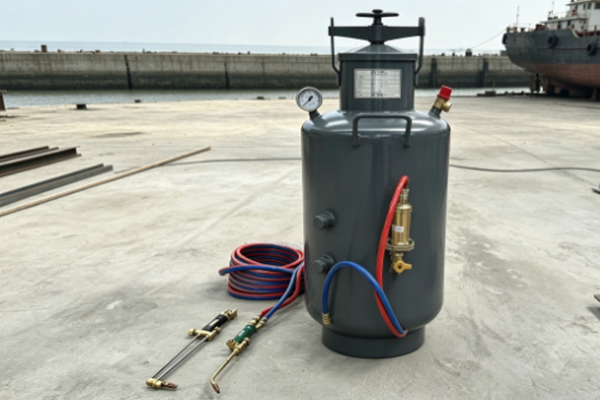
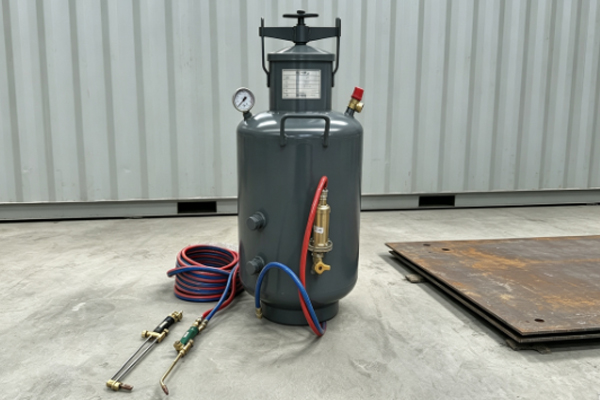
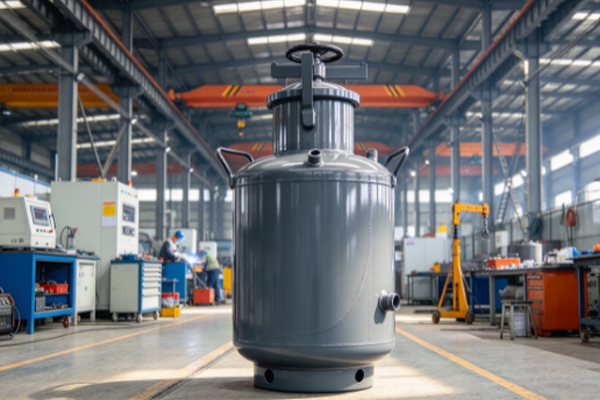
If a job site is far from a refill station, transporting empty cylinders out and bringing full ones back can waste time and increase delivery costs. For long projects with high daily gas consumption, a mobile acetylene generator may be worth evaluating. It produces acetylene on-site through a chemical reaction between calcium carbide and water, reducing reliance on prefilled cylinders and repeated deliveries. However, this type of equipment requires professional selection and proper operation. The purchase price alone should never determine whether it is suitable for a project.
- Long-term, continuous gas use: Compare equipment investment, calcium carbide costs, and routine maintenance expenses.
- Remote construction sites: On-site gas production may be worth considering when refills are difficult to arrange or transportation is expensive.
- Short-term, occasional jobs: If a refill station is nearby, acetylene cylinders are often more convenient and eliminate the need to purchase additional gas production equipment.
Which Has Lower Long-Term Costs: Acetylene Cylinders or a Mobile Acetylene Generator?
Acetylene cylinders are suitable for short projects, occasional gas use, and locations with convenient access to refill stations because they avoid the upfront investment in gas production equipment. A mobile acetylene generator may be more suitable for long-term projects with continuous, high gas demand, particularly at job sites without nearby refill stations or where return transportation is expensive. A generator requires an initial equipment purchase, ongoing calcium carbide supplies, and regular maintenance. Cylinder-based supply involves recurring refill, transportation, inspection, and handling costs. Under favorable raw material prices and equipment utilization, on-site gas production may reduce long-term costs for some projects. However, the actual savings must be calculated for each application, and a 40%–60% reduction cannot be guaranteed.
To estimate how long a full acetylene cylinder will last, don’t rely solely on the liter marking. Confirm the usable gas volume and the hourly consumption rate of your equipment. For short projects, compare the delivered cost of bottled acetylene. For long-term use or job sites without refill stations, consider evaluating a mobile acetylene generator. Contact us with your destination country, destination port, estimated gas consumption, and planned order quantity. We can help estimate the equipment configuration and overall budget, as well as check suitable acetylene tank dimensions for your available installation space.