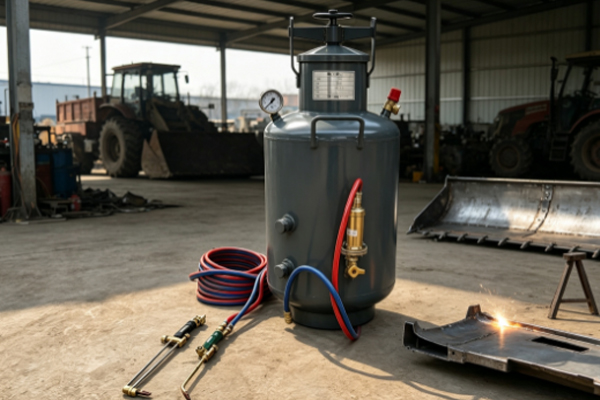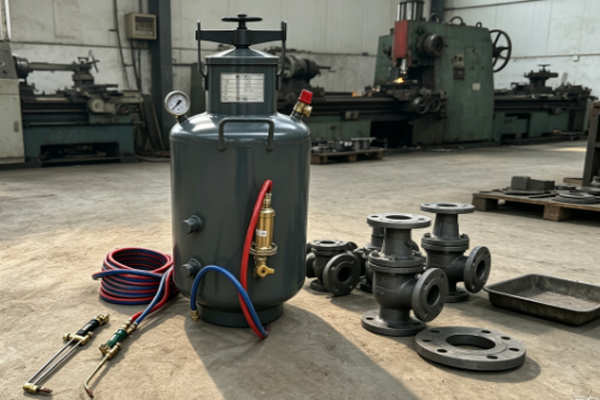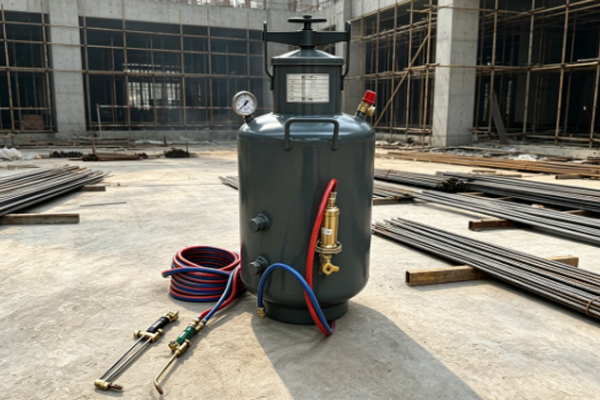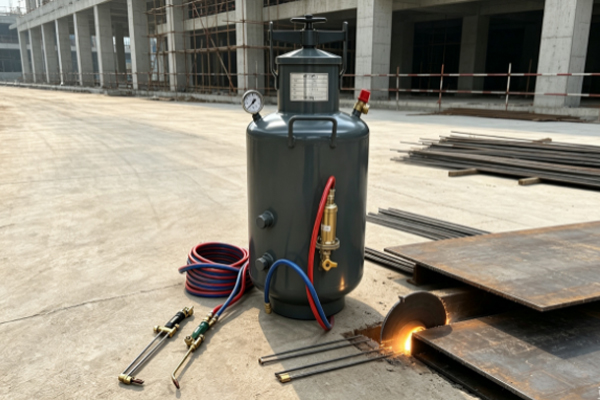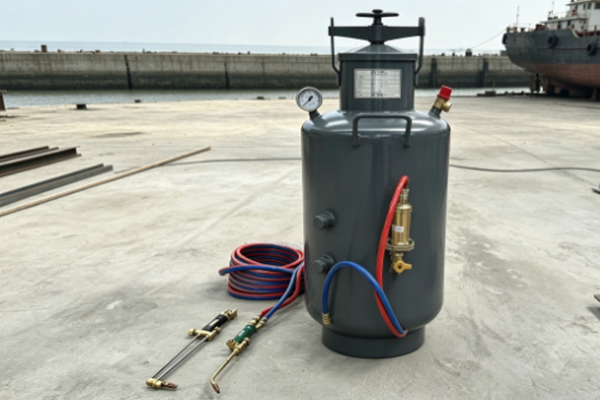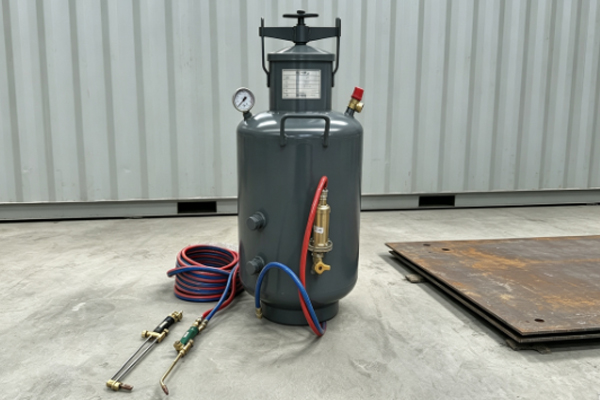
When buying acetylene cylinders, many buyers check the pressure gauge first. What PSI should a full cylinder show? Why does the reading rise in hot weather and drop when temperatures fall? Acetylene cylinders work differently from oxygen cylinders and should not be compared directly with ordinary compressed-gas cylinders. Acetylene is dissolved in a solvent inside the cylinder and held in a porous filler. Its pressure changes with temperature and filling conditions. Understanding the pressure rating, cylinder specifications, and operating requirements is more important than simply looking for a higher PSI value.
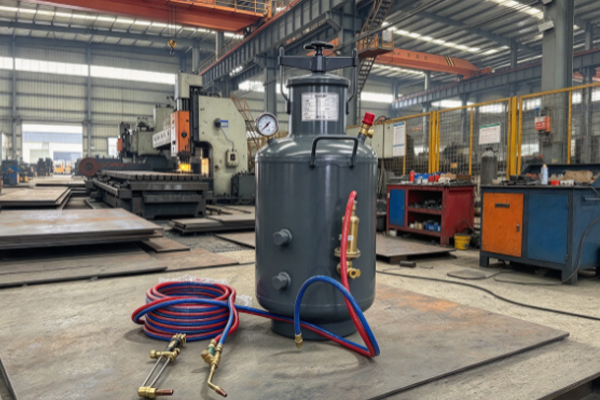
How Much PSI Is in a Full Acetylene Tank?
At approximately 21°C (70°F), a commonly used acetylene cylinder may have a full-cylinder equilibrium pressure of around 250 PSI (approximately 1.72 MPa). This figure does not apply to every cylinder. The actual pressure depends on the cylinder design, applicable standards, ambient temperature, and filling requirements.
- Around 250 PSI: For certain acetylene cylinders subject to applicable U.S. DOT requirements, the maximum filling pressure at 70°F is 250 psig.
- Temperature affects the reading: The pressure gauge reading may change as the cylinder temperature rises or falls.
- Different capacities do not necessarily mean different pressures: The pressure of a 40 L or other nominal-capacity acetylene cylinder cannot be determined from its capacity alone.
- Never pressurize a cylinder yourself: Acetylene cylinders have specific filling requirements. Do not increase the pressure or modify safety accessories to store more gas.
Why Does Acetylene Tank Pressure Change with Temperature?
The pressure reading of an acetylene cylinder is affected by temperature. Even when no acetylene has been released, changes in ambient temperature can cause a noticeable change on the pressure gauge. For instance, a cylinder of the relevant specification may show around 250 PSI at approximately 21°C, while the reading may fall as the temperature drops. This does not necessarily mean that a large amount of gas has been used.
Acetylene is dissolved in a solvent inside the cylinder, and the gauge indicates its equilibrium pressure. Unlike an ordinary compressed-gas cylinder, this reading cannot be used directly to estimate the remaining gas quantity. To determine how much acetylene remains, use an appropriate weighing method and refer to the cylinder’s filling records. Do not rely on the pressure gauge alone to decide when the cylinder needs replacing.
What Is the Difference Between Acetylene Tank Pressure and Working Pressure?
The pressure inside a cylinder is not the same as the working pressure required by a welding torch. An acetylene cylinder outlet is normally fitted with a suitable regulator to reduce the cylinder pressure to the range required by the equipment. Never treat the cylinder pressure as the torch working pressure or arbitrarily increase the regulator setting.
- Cylinder pressure: The pressure established by the acetylene solution inside the cylinder, which is affected by temperature and filling conditions.
- Outlet pressure: The pressure delivered to the downstream pipeline after regulation. It must meet the requirements in the welding or cutting equipment manual.
- Compatible equipment: Regulators, valves, and connectors must be suitable for acetylene. Do not substitute accessories intended for other gases.
- Abnormal readings: If the pressure gauge is damaged, the reading is unusual, or the cylinder becomes abnormally hot or shows signs of leakage, stop using it and contact qualified personnel.
How to Choose the Right Acetylene Tank Size and Cylinder?
When purchasing acetylene cylinders, do not focus on PSI alone. Check the nominal water capacity, outside diameter, height, weight, valve connection, and applicable product standard. For example, the 40 L marking on a common acetylene cylinder refers to its water capacity, not the actual volume of acetylene gas it contains.
When requesting a quotation, provide your daily gas consumption, operating hours, and required number of spare cylinders so we can help confirm suitable cylinder dimensions and configurations. For short-term projects with intermittent gas use and convenient access to a nearby filling station, acetylene cylinders are often more practical because there is no need to invest in a complete on-site gas generation unit. For projects requiring continuous gas supply over an extended period, especially where filling stations are far away, it is worth comparing cylinder replacement and transportation costs with the investment in a mobile acetylene generator.
We supply acetylene cylinders and can prepare quotations based on your required specifications and order quantity. Send us your preferred capacity, quantity, destination country, and destination port so we can confirm suitable product options and shipping costs.
There is no single PSI value that applies to every acetylene cylinder at every temperature. At around 21°C, approximately 250 PSI may be used as a reference for certain common cylinders, but actual operation must follow the cylinder markings and applicable standards. When choosing a cylinder, also check its dimensions, connections, and compatible regulator. If you are sourcing acetylene cylinders, send us your required specifications, quantity, and destination, and we will provide a quotation tailored to your needs.