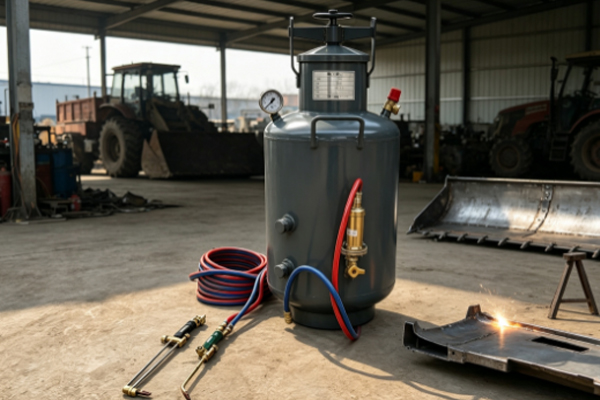
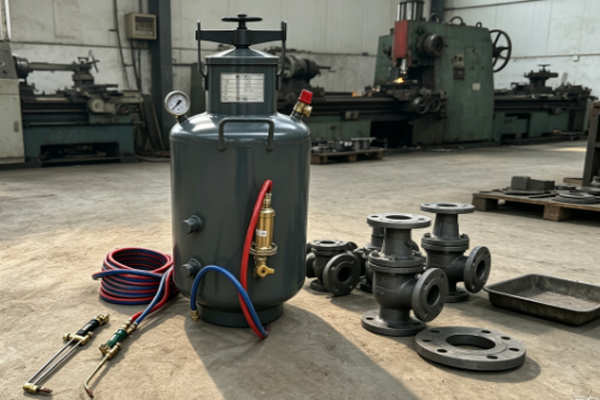
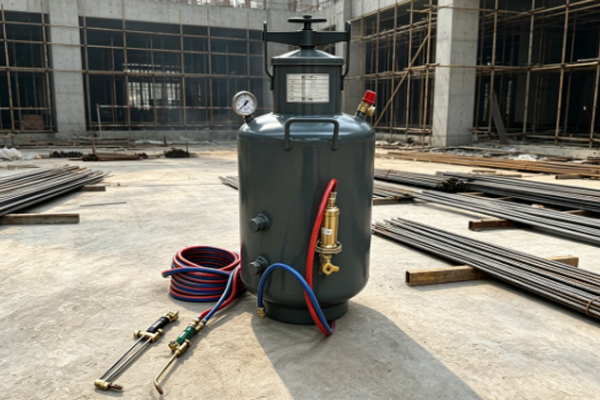
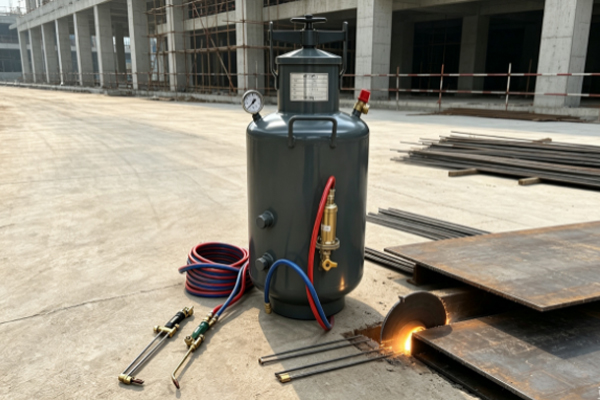
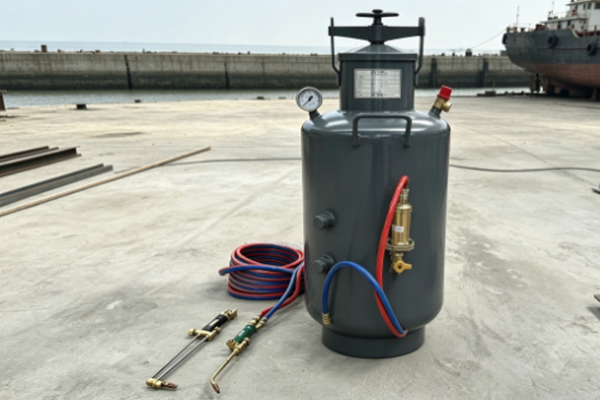
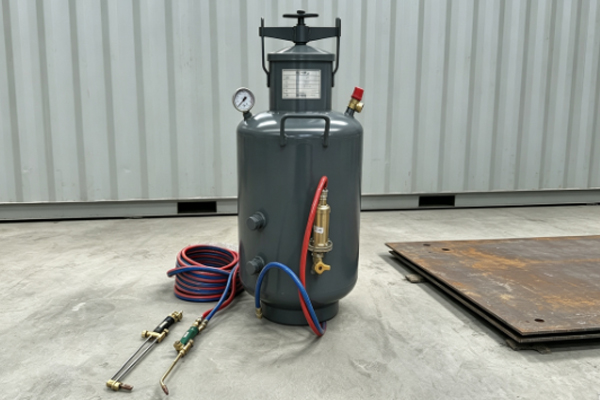
Running out of acetylene halfway through welding or cutting can delay work and affect cutting quality. A pressure gauge may still show pressure even when the cylinder has little usable gas left. On the other hand, a low pressure reading does not always mean the cylinder is empty. Dissolved acetylene behaves differently from ordinary compressed gases because its pressure is affected by temperature and operating conditions. Knowing how to check the remaining supply helps prevent unexpected interruptions. If your job site is far from a filling station, it is also worth comparing traditional acetylene cylinders with mobile acetylene generators to find a gas supply option that better fits your workload and project schedule.
How Can You Tell If an Acetylene Tank Is Almost Empty?
You should not rely on guesswork or the pressure gauge alone to determine whether an acetylene cylinder is nearly empty. A more practical approach is to check the gauge, monitor the gas supply, and watch for changes during operation. If you need an accurate estimate of the remaining gas, use a measurement method suitable for the specific cylinder.
- Check the pressure gauge: Watch for significant changes, but do not assume a low reading automatically means the cylinder is empty.
- Watch for flame changes: If the flame becomes unstable during welding or cutting, stop and inspect the equipment according to the operating procedure instead of immediately blaming an empty cylinder.
- Review gas consumption: If you know approximately how much acetylene the equipment uses per hour, you can estimate how long a cylinder may last.
- Look for unusual signs: If you notice a suspected leak, unusual hissing, or a connection problem, stop work, keep away from ignition sources, and follow the site’s emergency procedures.
For dissolved acetylene cylinders, pressure readings are strongly affected by temperature and operating conditions. Never strike the cylinder, dismantle its valve, or release gas improperly just to check how much acetylene remains.
How to Read an Acetylene Tank Pressure Gauge: Why Is There Pressure When the Gas Is Almost Gone?
Acetylene is generally stored dissolved in a solvent, such as acetone, within a porous material inside the cylinder. Its pressure depends not only on the remaining acetylene but also on temperature. This means a gauge can still show pressure even when the remaining supply is insufficient for continued work. Pressure changes also cannot be converted directly into the amount of gas remaining.
When checking the gauge, pay attention to these signs:
- The reading keeps dropping: This may indicate a change in the gas supply, but other operating conditions should also be checked.
- The temperature has changed: Temperature affects pressure, so readings taken under different conditions should not be compared without considering the difference.
- Gas flow suddenly decreases: The cause could be low gas supply, a valve issue, a blocked line, or a regulator problem. A trained person should inspect the system.
If you need to determine whether a cylinder is nearly empty, follow the cylinder manufacturer’s instructions and applicable measurement procedures. Never heat the cylinder, tilt it, or attempt to adjust its internal pressure to restore the gas supply.
What Should You Do When an Acetylene Tank Is Empty?
When the acetylene supply becomes insufficient, stop work according to the equipment’s operating procedure and check the gas supply system. Do not continue working just to finish the job, and never dismantle a cylinder valve yourself. Acetylene is a flammable gas, so cylinder replacement, connection, and inspection must follow applicable safety procedures.
Follow these steps when the supply runs low:
- Stop welding or cutting: Shut down the equipment according to the required procedure to prevent flashback or other abnormal conditions.
- Check the connections: Have qualified personnel inspect the valve, regulator, and gas lines for faults.
- Replace the cylinder safely: Use a suitable replacement cylinder and verify that all connections meet the required specifications.
- Plan backup gas supplies: Sites with high gas consumption should track daily usage to avoid running out during a job.
If a project uses large amounts of acetylene every day, frequent cylinder changes can increase labor and transportation costs. In this situation, it may be worth comparing cylinder-based gas supply with a mobile acetylene generator rather than waiting until cylinder changes become a recurring problem.
Acetylene Cylinders vs. Mobile Acetylene Generators: Which Is Better for Long-Term Use?
Traditional acetylene cylinders are usually more convenient for short repairs, occasional welding, or job sites close to a filling station. They do not require an additional investment in gas-generating equipment. However, if a project lasts a long time, requires a continuous gas supply, and has no nearby acetylene filling station, a mobile acetylene generator may be worth considering. It produces acetylene on-site through a chemical reaction between calcium carbide and water, potentially reducing external gas deliveries and empty-cylinder returns. Equipment costs, raw materials, maintenance, and safety requirements must still be included in the budget.
| Comparison | Traditional Acetylene Cylinders | Mobile Acetylene Generator |
| Gas supply | Uses prefilled cylinders from a filling station | Produces acetylene on-site in suitable equipment |
| Initial investment | Buy or rent cylinders, allowing a relatively flexible start | Requires an upfront equipment purchase |
| Gas replenishment | Replace or refill cylinders when the gas runs low | Add raw materials and water as specified by the equipment manufacturer |
| Transportation costs | Requires full-cylinder deliveries and empty-cylinder returns | Can reduce repeated deliveries of acetylene gas |
| Suitable project duration | Short jobs and temporary repairs | Long-term projects with continuous gas demand |
| Best location | Sites with convenient access to filling stations | Sites with limited filling access, provided raw materials are available |
| Long-term expenses | Ongoing refilling, rental, inspection, and transportation costs | Equipment, raw materials, operation, and maintenance costs |
For long-term projects with high gas consumption and limited access to filling stations, a mobile acetylene generator may reduce overall operating costs. Some project estimates suggest potential savings of 40%–60%, but actual savings depend on equipment prices, calcium carbide costs, daily gas consumption, and maintenance expenses. This range should not be treated as a guaranteed saving. Before choosing a generator, check its gas production capacity, applicable standards, and safety requirements.
If your acetylene cylinders frequently run out during work or cylinder transportation has become expensive, contact us to discuss our mobile acetylene generator solutions. Provide the destination country, destination port, planned order quantity, and estimated daily gas consumption so we can calculate an equipment quote and help compare long-term operating costs. Choosing the right gas supply method can reduce unexpected work interruptions and help control expenses on projects that require acetylene continuously.