How much does acetylene cost per pound? If you work in welding, metal cutting, or construction, the cost of acetylene involves more than the price of a cylinder. You also need to consider refilling, transportation, and cylinder handling. In the US market, small acetylene cylinders may cost around $25–$70 per refill or exchange, medium cylinders around $60–$130, and large industrial cylinders may cost more than $250. Actual prices depend on cylinder size, local availability, and service fees. These figures are estimates per cylinder, not fixed prices per pound of acetylene. If a project uses gas every day, the long-term expense can add up quickly. For short jobs with low gas consumption, cylinders are often convenient. For long-term projects with high gas demand and no nearby filling station, a mobile acetylene generator may be worth considering.
How Much Does Acetylene Cost Per Pound? What Is the Price of One Cylinder?
Acetylene is usually priced by cylinder size and filling service rather than directly by the pound. To calculate the cost per pound, you need to know the actual weight of acetylene supplied and divide the gas cost by that weight. The following figures are for preliminary budgeting only. Check with local gas suppliers for current prices.
- Small cylinders: Refilling or exchange may cost around $25–$70 per cylinder, making them suitable for repairs and occasional jobs.
- Medium cylinders: Prices may range from $60–$130 per cylinder, depending on local rates and service terms.
- Large cylinders: Costs may exceed $250 per cylinder, depending on capacity, filling services, and local market conditions.
Keep in mind that a 40-liter cylinder refers to its water capacity, not the volume of acetylene gas it contains. When requesting a quote, confirm whether the price includes cylinder rental, a deposit, and delivery. If the job site is far from a filling station, transportation can add significantly to the actual cost of each refill.
Why Does the Cost of Using Acetylene Cylinders Increase Over Time?
Buying acetylene is only one part of the expense. A small project may need just a few cylinders, but as the workload grows, more cylinders may be required to maintain a steady supply. Empty cylinders must be returned for refilling, and full cylinders must then be transported back to the job site. Each trip adds costs that can become substantial over time.
Common additional expenses include:
- Cylinder purchases: The more cylinders needed for simultaneous work, the higher the initial investment.
- Periodic inspections: Cylinders must be inspected as required, while repairs and replacement also add costs.
- Round-trip transportation: The farther the job site is from the filling station, the more expensive and frequent gas deliveries can become.
For repair work lasting only a few days, buying or renting cylinders is usually convenient. However, if metal cutting takes place every day for several months, it makes sense to calculate the combined cost of gas, transportation, cylinder rental, and maintenance rather than comparing the price per cylinder alone.
Which Is More Economical: Acetylene Cylinders or a Mobile Acetylene Generator?
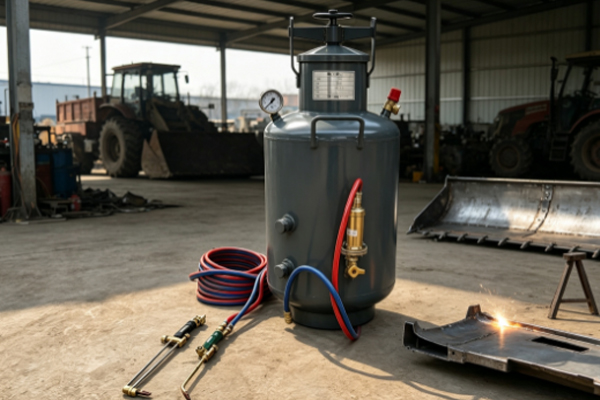
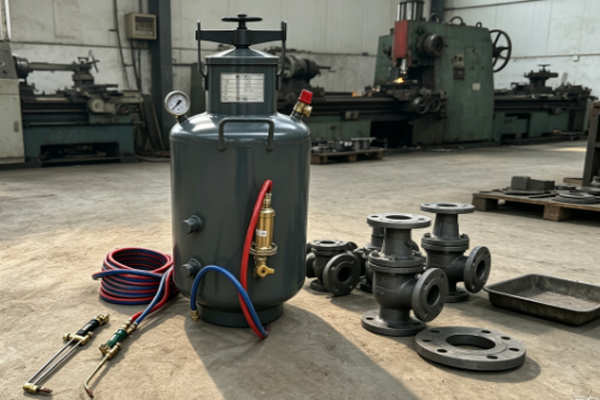
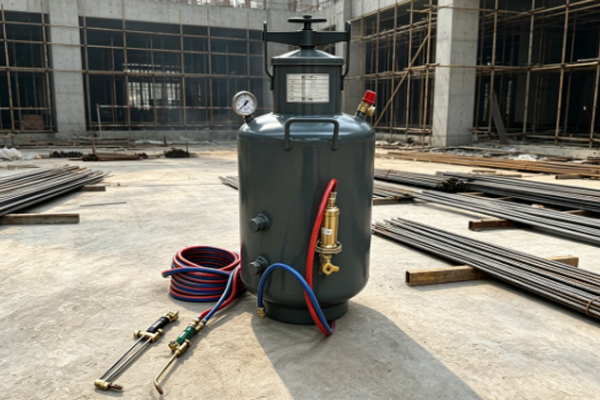
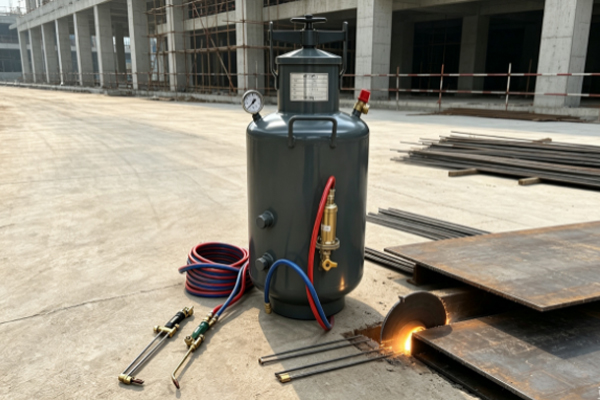
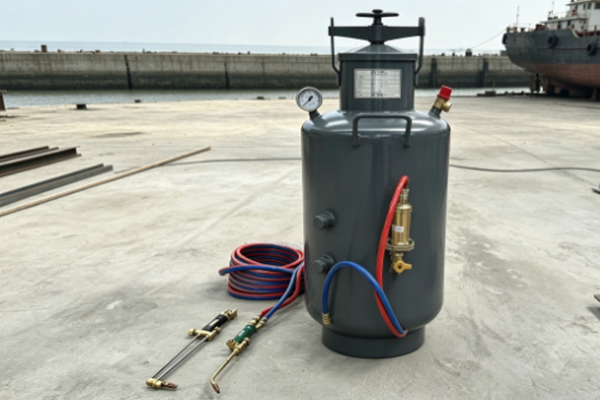
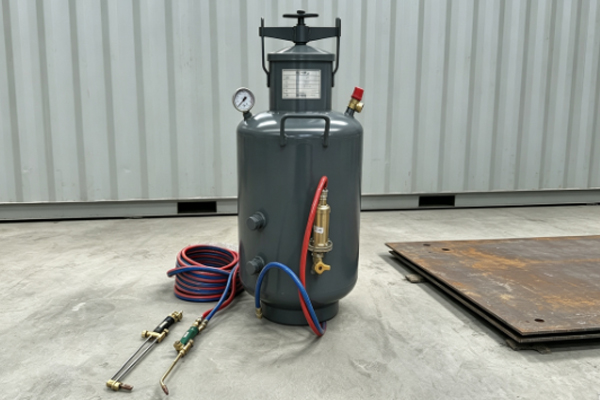
Traditional acetylene cylinders are often the more convenient option when a filling station is nearby and gas consumption is low. A mobile acetylene generator offers another solution by producing acetylene on-site through a chemical reaction between calcium carbide and water. This can reduce dependence on external filling stations and repeated cylinder deliveries. However, a generator requires an upfront equipment investment, and operating costs such as raw materials, maintenance, and safety provisions must also be included.
| Comparison | Traditional Acetylene Cylinders | Mobile Acetylene Generator |
| Initial investment | Buy or rent cylinders, allowing a relatively flexible start | Requires an upfront equipment purchase |
| Gas supply | Cylinders must be refilled or exchanged when empty | Produces acetylene on-site using the specified raw materials and water |
| Transportation costs | Requires empty-cylinder returns and full-cylinder deliveries | Can reduce repeated deliveries of acetylene gas |
| Suitable project duration | Short jobs lasting days or weeks | Projects lasting several months or longer |
| Gas consumption | Best for low or occasional gas use | Worth considering for high, continuous gas demand |
| Nearby filling station | Convenient refills can help keep costs manageable | Equipment investment must be justified by expected savings |
| No nearby filling station | Refilling and transportation may be difficult and expensive | May reduce transportation dependence if raw materials and operating conditions are suitable |
| Long-term costs | Ongoing expenses include refilling, rental, inspections, and transportation | Includes raw materials, maintenance, and equipment depreciation |
Industrial calcium carbide has a reference gas yield of approximately 285–300 liters per kilogram, although actual output depends on raw material quality and operating conditions. For long-term projects with high gas consumption and limited access to filling stations, a mobile acetylene generator may reduce total operating costs. Some project estimates suggest potential savings of 40%–60%, but this is not a guaranteed result for every application. Equipment costs, calcium carbide prices, labor, and maintenance must all be calculated. For short jobs with low gas consumption and convenient access to a filling station, traditional cylinders may still be the more economical choice.
How Do You Calculate the Total Cost of Acetylene Before Buying?
The easiest way to calculate the actual cost of acetylene is to list every expense. For cylinder purchases, confirm the refill price, actual gas quantity, rental or deposit fees, and delivery charges. If you are considering a mobile acetylene generator, provide the expected daily gas consumption, project duration, and job-site location so the equipment investment and long-term operating costs can be estimated. Acetylene is also a flammable gas, so all gas-generating equipment must meet applicable safety requirements and be operated by trained personnel.
If your project requires a steady supply of acetylene for welding or cutting, especially where filling stations are far away or transportation is difficult, ask us about our mobile acetylene generator solutions. Provide the destination country, destination port, planned order quantity, estimated daily gas consumption, and expected operating period to receive a more accurate equipment quote. Cylinders may be the better choice for short projects, while on-site gas generation is worth comparing for long-term, continuous use. Instead of focusing only on the price per pound, calculate the total cost of supplying acetylene throughout the project to find the most economical solution.