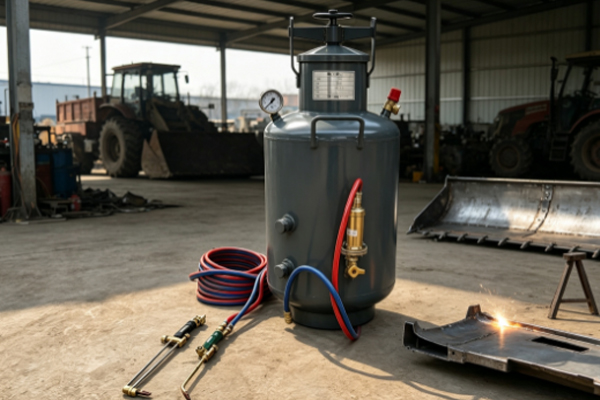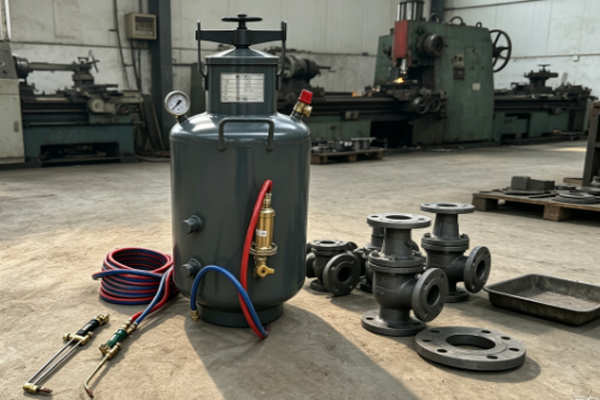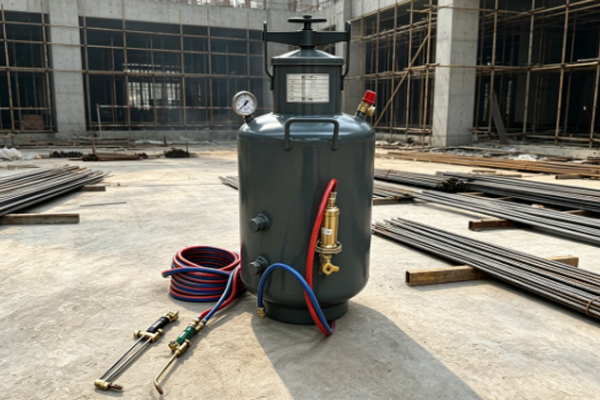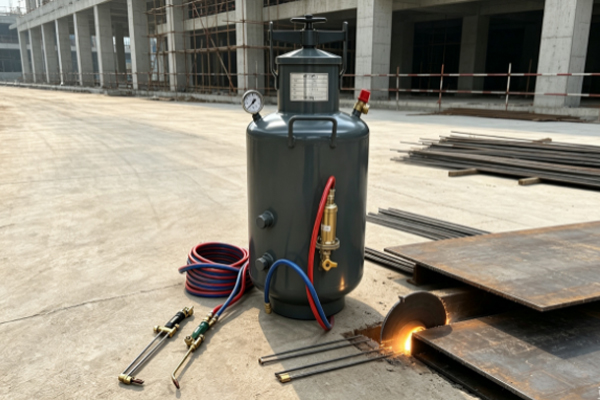
Oxygen and acetylene cylinders are commonly used together for welding and metal cutting, so it may seem convenient to keep them side by side in the same storage area. However, storing them too close together can increase fire risks. Oxygen is not flammable, but it supports combustion, while acetylene is a highly flammable fuel gas. If a leak occurs near a spark or open flame, the consequences can be serious. Whether you manage a welding workshop, a construction site, or an industrial gas storage area, it is important to know how to separate these cylinders and keep them properly secured.
Can Oxygen and Acetylene Cylinders Be Stored Together?
Oxygen and acetylene cylinders should not be stored directly next to each other without the required separation. They may be kept within the same general facility only when the storage arrangement meets applicable safety requirements. The exact distance and barrier specifications depend on local regulations.
- Maintain a safe separation distance: As one regulatory reference, the US OSHA standard requires stored oxygen cylinders to be separated from fuel-gas cylinders by at least 20 feet (6.1 meters).
- Use a suitable barrier when space is limited: Under the same OSHA standard, an alternative is a noncombustible barrier at least 5 feet (1.5 meters) high with a fire-resistance rating of at least 30 minutes.
- Keep oxygen away from oil and grease: Oxygen equipment, valves, regulators, and connections must remain free from oily or greasy substances because oxygen can make fires burn much more intensely.
- Do not mix up storage and operating arrangements: Cylinders connected for actual use may be subject to different requirements from cylinders kept in storage. Follow the rules for the specific installation.
These figures are not universal requirements. Before arranging a storage area, check the local fire and gas-cylinder regulations and the equipment manufacturer’s instructions.
Why Must Oxygen and Acetylene Cylinders Be Stored Separately?
The main concern is the combination of an oxidizing gas and a flammable fuel gas. If an acetylene cylinder leaks, the gas can spread through the surrounding area. If oxygen is also leaking, the increased oxygen concentration can make nearby materials ignite more easily and burn more intensely. A welding spark, cutting flame, or other ignition source may then turn a small leak into a serious incident. Keeping the cylinders separated helps reduce the chance that a leak involving one gas will create a more dangerous situation around the other. It also makes routine inspection, cylinder handling, and emergency response easier.
How Should Oxygen and Acetylene Cylinders Be Stored Safely?
Separation is only one part of safe storage. The cylinders also need a suitable location, proper support, and protection against heat and physical damage. A few simple checks can prevent common storage problems.
- Keep cylinders upright and secured: Acetylene cylinders should be stored with the valve end up. Use suitable restraints to prevent cylinders from falling or being knocked over.
- Choose a ventilated storage area: Avoid enclosed cupboards, poorly ventilated rooms, and locations where leaking gas could accumulate.
- Protect valves and connections: Fit valve protection caps when cylinders are not connected for use, where the cylinder is designed to accept them. Keep valves closed on empty cylinders.
- Keep away from heat and ignition sources: Do not place cylinders near welding sparks, open flames, heaters, or other hot equipment.
- Separate full and empty cylinders: Mark their status clearly and arrange designated storage positions to prevent accidental use or confusion.
Regularly check the storage area for damaged cylinders, loose restraints, blocked ventilation, and signs of leakage. If a leak is suspected, keep people away, avoid ignition sources, and follow the site’s emergency procedures. Do not use a flame to locate a leak.
Should You Use Acetylene Cylinders or a Mobile Acetylene Generator?
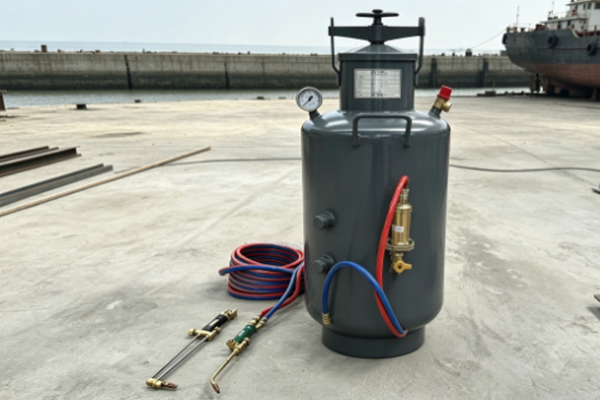
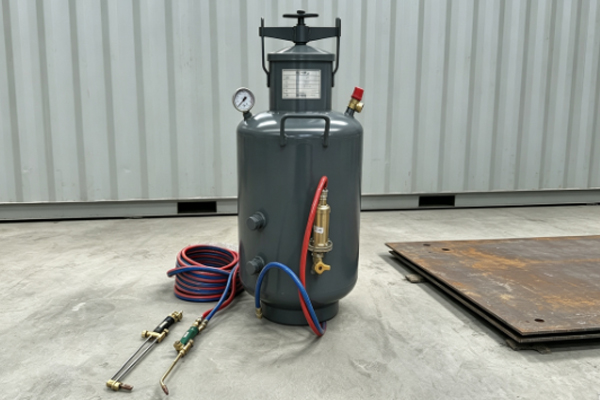
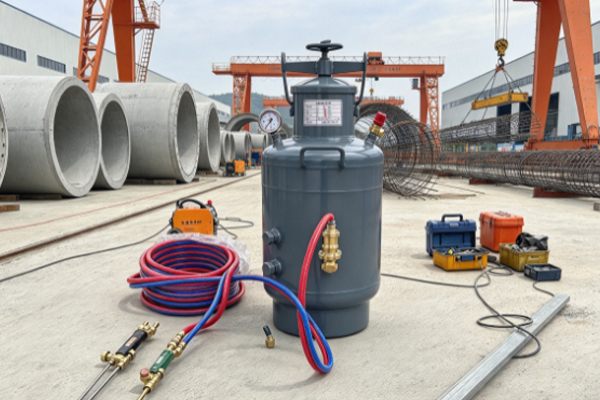
For short-term projects, occasional welding, or sites close to a reliable acetylene filling station, conventional acetylene cylinders are often the more practical option. They avoid the initial investment in gas-generation equipment and are suitable when gas consumption is intermittent. For long-term projects with continuous, high gas demand, especially at remote construction sites without convenient refill services, a mobile acetylene generator may be worth comparing. It produces acetylene on site through a controlled reaction between calcium carbide and water, reducing the need to transport filled cylinders back and forth. The actual cost advantage depends on gas consumption, equipment investment, raw material supply, maintenance, and local operating conditions.
If your project still relies on cylinders, choosing suitable acetylene steel cylinders is an important part of building a reliable gas supply. We supply acetylene steel cylinders for industrial applications, with product specifications and configurations available for different purchasing needs. If you are planning a new storage area or replacing existing cylinders, send us your required capacity, order quantity, and destination country. We can help confirm suitable cylinder options and provide a quotation with shipping costs.