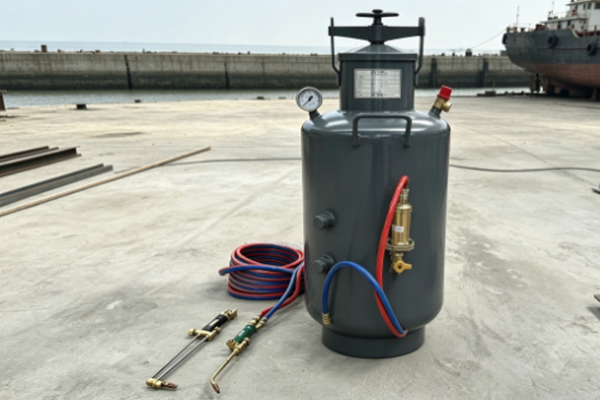
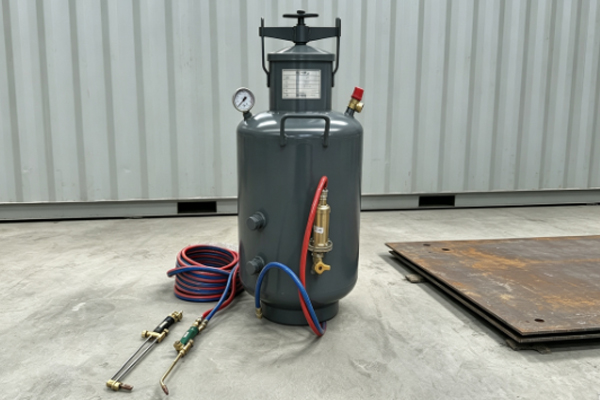
When using acetylene equipment for welding or cutting, how many turns should you open the valve? Will opening it too little affect the gas supply? Does opening it further make the gas flow more stable? These questions may seem simple, but they are closely related to on-site safety. Acetylene is a highly flammable gas, so its tank valve should never be turned casually like an ordinary water tap. The correct valve opening depends on the valve design, equipment instructions, and applicable safety regulations. Understanding the proper operating requirements helps prevent mistakes and ensures safer acetylene tank use.
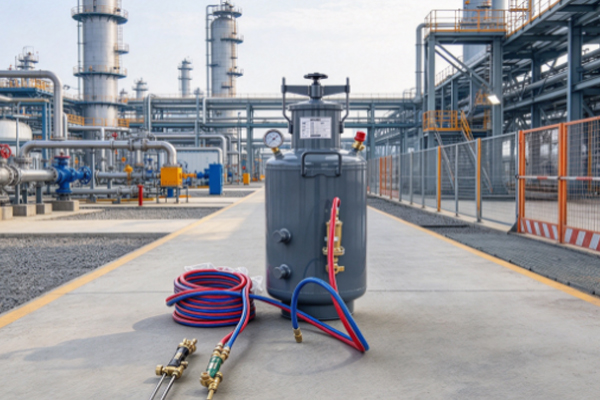
How Many Turns Should You Open an Acetylene Tank Valve?
There is no single valve-opening rule that applies to every acetylene tank. As a reference, US OSHA regulations for common acetylene cylinder valves require the valve to be opened slowly, with the valve stem turned no more than 1.5 turns and preferably no more than 3/4 of a turn. These figures refer to the number of turns of the valve stem, not a universal opening position for every acetylene tank. Valve designs vary, so always check the product instructions and manufacturer’s requirements before operation.
- Common reference range: Some acetylene cylinder valves should be opened no more than 3/4 of a turn, with an absolute maximum of 1.5 turns. Follow the applicable requirements for the specific equipment.
- Open the valve slowly: Do not turn the valve abruptly or force it fully open in an attempt to increase the gas supply.
- Check the valve type: Handwheel valves and valves requiring special tools may have different operating methods. Always use the appropriate tool.
- Keep emergency shutoff in mind: For valves that require a special wrench, keep the appropriate tool available as specified by the equipment instructions so the valve can be closed promptly in an emergency.
Why Shouldn’t You Open an Acetylene Tank Valve Too Far?
Opening an acetylene tank valve further is not necessarily better. The system must allow the gas supply to be shut off quickly if a hose is damaged, equipment malfunctions, or another emergency occurs. A suitable pressure regulator should also be used when opening the valve. Never bypass the regulator and supply gas directly to a welding torch or other gas-consuming equipment. Remember that valve opening does not replace pressure regulation. The actual supply pressure and flow rate should be controlled by suitable pressure-regulating equipment in accordance with the process requirements. Do not adjust the tank valve arbitrarily to produce a larger flame, and never modify the valve or safety accessories yourself.
What Should You Check Before Opening an Acetylene Tank Valve?
A valve that turns normally does not necessarily mean the entire gas supply system is in good condition. Before use, check that the tank, pressure regulator, and connecting pipelines are in proper working order. Pay particular attention to the connections and accessories after prolonged equipment use, installation, or component replacement.
- Inspect the tank exterior: Look for dents, cracks, unusual corrosion, or other visible damage. Do not continue using the equipment if you find anything abnormal.
- Check the pressure regulator and fittings: Confirm that the model is suitable for acetylene and that all connections are in proper condition. Do not use accessories intended for other gases.
- Inspect hoses and connections: If you notice aging, damage, or signs of leakage, stop using the equipment and contact qualified personnel.
- Make sure the tank is secured: Install and secure the tank as specified in its design to prevent impact or movement during operation.
- Check the surrounding area: Keep the operating area well ventilated and away from open flames, welding sparks, and other potential ignition sources.
If you notice an unusual odor or suspect a gas leak, stop operating the equipment. Never use an open flame to locate a leak. Move away from ignition sources, follow the site’s emergency procedures, and contact qualified personnel for inspection.
How Should You Choose Valve Configurations When Buying an Acetylene Tank?
When selecting an acetylene tank, do not focus only on capacity and external dimensions. Valve connections, accessories, and product documentation should also be confirmed in advance. Welding frequency, gas consumption, and supply equipment requirements vary from project to project, so provide the manufacturer with details about your actual operating conditions. We supply industrial acetylene tanks and can confirm suitable specifications, valve configurations, and accessory options based on your project requirements. If there is no convenient acetylene refilling station nearby, or if a project requires continuous gas supply and repeated transportation of full and empty cylinders is costly, you can also compare an on-site mobile acetylene generator solution. For short-term projects with occasional gas consumption and convenient access to refilling services, conventional acetylene tank supply is generally more suitable.
Opening an acetylene tank valve further does not necessarily improve performance. The correct opening method depends on the specific valve design, product instructions, and applicable regulations. We recommend checking more than the tank capacity and price when purchasing. Confirm the valve specifications, connection type, pressure regulator compatibility, and safety accessory configuration in advance to avoid connection mismatches or operating problems after delivery. If you are planning to purchase an acetylene tank, send us your estimated gas consumption, required specifications, order quantity, and delivery location. We can recommend a suitable product configuration for your operating conditions and provide a detailed quotation with shipping information.