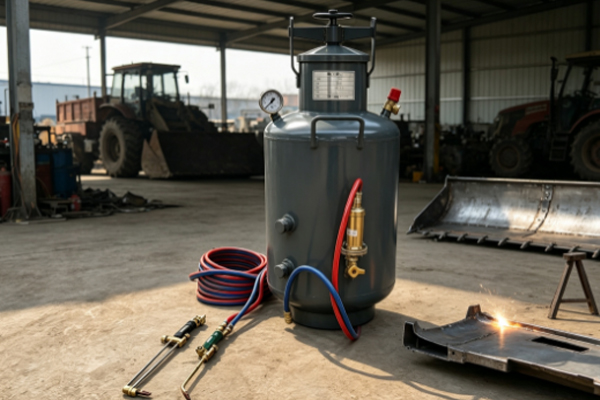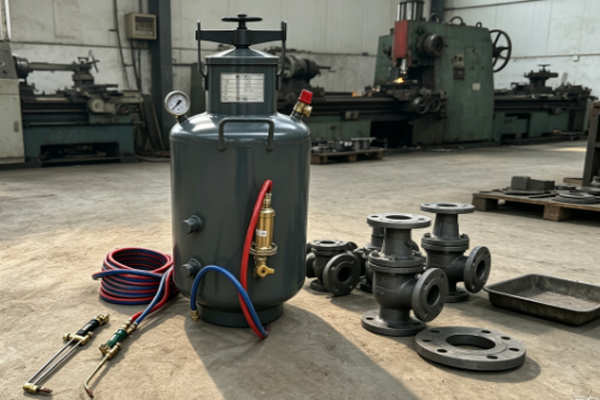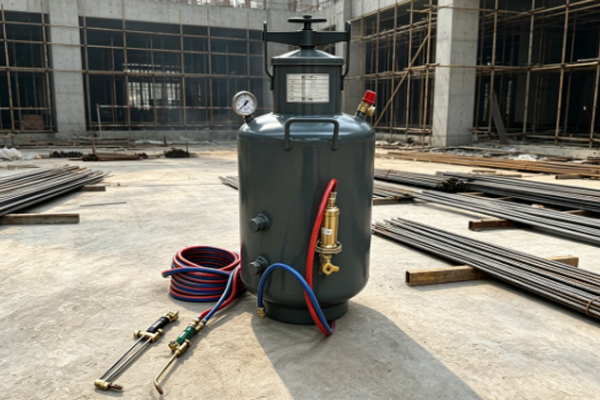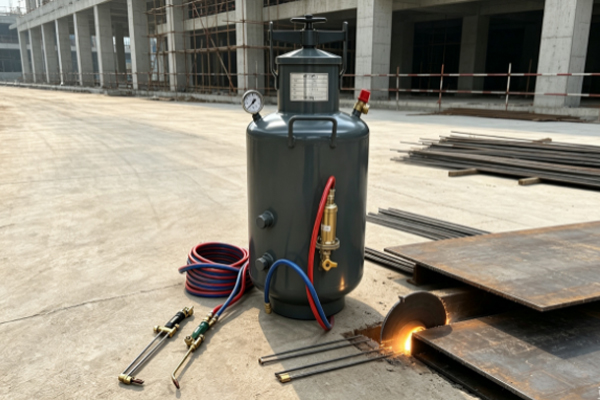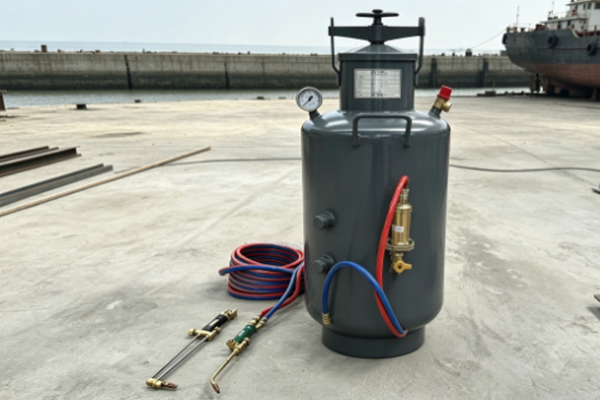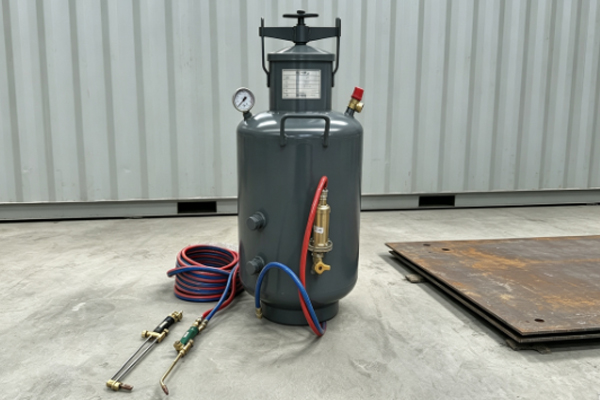
When purchasing an acetylene tank, capacity and dimensions are not the only things to consider. Weight also matters. Heavy equipment requires proper planning for transportation, loading, unloading, and on-site placement. If the tank will be used at a construction site or for mobile operations, handling requirements and vehicle load capacity need attention too. Many buyers searching for “how much does an acetylene tank weigh” want to know both the empty tank weight and its total weight after filling. As a general reference, a common 40L model may weigh around 40–56 kg when empty and approximately 60–77 kg when filled with solvent and acetylene. The actual figures depend on the tank design and configuration.
How Much Does an Empty 40L Acetylene Tank Weigh?
A common 40L acetylene tank typically weighs around 40–56 kg when empty. Some lightweight models weigh approximately 40 kg, while products with different tank structures, wall thicknesses, and accessory configurations may exceed 50 kg. This range is useful for preliminary purchasing estimates, but the actual weight should always be confirmed through the product nameplate and manufacturer’s technical specifications.
- Lightweight 40L models: Some products weigh approximately 40 kg when empty, making them suitable for applications where equipment weight needs to be controlled.
- Common industrial models: Certain 40L tanks weigh around 50 kg when empty, depending on their design and manufacturing requirements.
- Heavier configurations: Some models may weigh approximately 56 kg. Valves and other permanently installed accessories can also affect the final weight.
The empty tank weight is not the same as its transportation weight after filling. When requesting a quotation, confirm the empty weight, accessory weight, and total filled weight to plan transportation and unloading properly.
How Much Does a Filled Acetylene Tank Weigh?
The total weight of a filled acetylene tank cannot be calculated by simply adding the same fixed amount to every empty tank. As a reference, some common 40L models have a solvent filling weight of approximately 13.6 kg and an acetylene filling weight of around 6.8 kg. Based on these figures, a tank with an empty weight of 50 kg would weigh approximately 70.4 kg after filling. If the empty tank weighs 40–56 kg, its estimated filled weight would be around 60–76.4 kg. Actual figures must be confirmed through the specific product nameplate and filling documentation.
Purchasing teams should distinguish between the empty tank weight, solvent weight, acetylene filling weight, and final total weight. Do not use pressure gauge readings alone to estimate the remaining gas weight, and never change the filling quantity yourself. For bulk transportation, ask the manufacturer to confirm the shipping weight, packaging weight, and loading requirements for each unit. This helps prevent vehicle overloading and unexpected logistics costs.
How Should You Choose Acetylene Tank Weight and Size for Construction Sites?
Weight and dimensions should be considered together. Whether the equipment can enter the site, fit into the available space, and remain convenient to use all affect product selection. For projects where equipment needs to be moved frequently, tank weight also influences transportation and handling arrangements.
- Long-term use at a fixed location: Check the tank capacity, overall weight, foundation requirements, and connecting pipeline specifications.
- Temporary construction projects: Confirm vehicle access, loading and unloading arrangements, and the available placement area before delivery.
- Remote projects: Consider transportation distance, packaging requirements, and the availability of local acetylene refilling services.
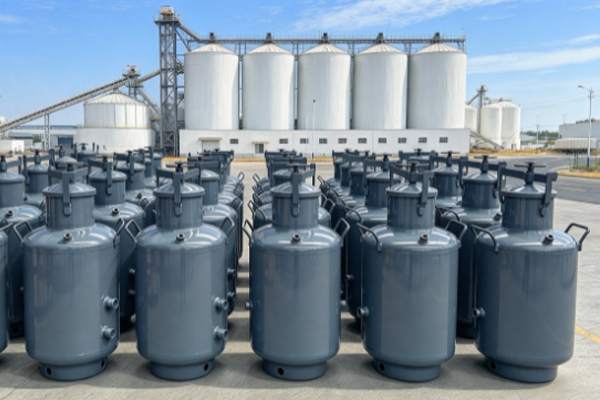
- Bulk purchases: Confirm the weight of each unit, the combined shipment weight, and the packaged transportation weight to arrange suitable containers or vehicles.
For projects with high, continuous gas consumption and no convenient local acetylene refilling station, a mobile acetylene generator may also be worth considering. It produces acetylene on-site through a chemical reaction between calcium carbide and water, reducing the need to repeatedly transport full and empty tanks. For short-term projects with occasional gas consumption and convenient access to refilling services, conventional acetylene tanks are generally more suitable because they avoid the initial investment and ongoing management costs of generator equipment. Each option suits different operating conditions, so weight alone should not determine which solution offers better value.
What Should You Confirm About Acetylene Tank Weight and Specifications Before Buying?
Before placing an order, ask the manufacturer for complete product specifications rather than making a decision based on one weight figure. Confirm the empty tank weight, external dimensions, connection specifications, permitted filling parameters, accessory configuration, and packaged shipping weight. We supply industrial acetylene tanks and can discuss suitable specifications and accessory configurations based on your operating requirements. If you are planning a purchase, share your required capacity, application, order quantity, and destination country. We can provide weight and dimension details for the relevant model and calculate equipment and shipping costs. For projects with continuous gas consumption and high transportation costs, you can also ask about our mobile acetylene generator options to compare which solution better suits your site.
The weight of an acetylene tank ultimately depends on its specific model. A common 40L product may weigh around 40–56 kg when empty and approximately 60–77 kg after filling with solvent and acetylene. These figures are useful for preliminary budgeting and transportation planning, but they should not replace the actual product specifications. Confirming weight, dimensions, transportation conditions, and gas consumption before purchasing can make loading, unloading, and installation much easier. If you need an accurate weight and quotation, send us your required specifications and order quantity. We can provide the corresponding product details and transportation options.