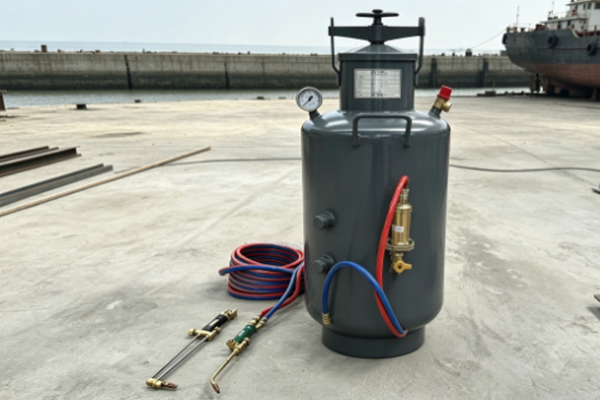
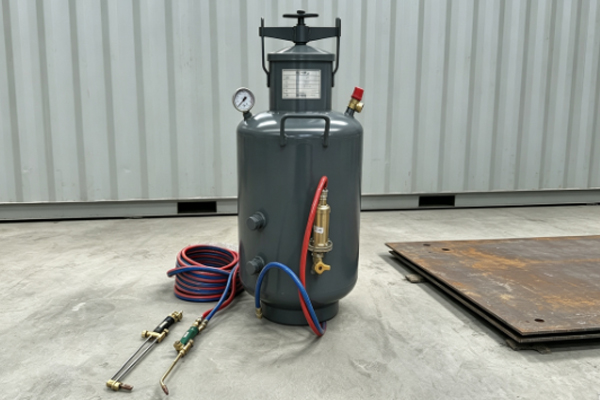
What pressure should an acetylene tank gauge show when the tank is full? Can you tell how much gas remains just by looking at the needle? These questions may sound simple, but they are easy to misunderstand. Acetylene is commonly stored in a dissolved state inside specially designed equipment, so its pressure is affected by ambient temperature, filling conditions, and equipment specifications. Unlike ordinary compressed gases, the remaining acetylene cannot be estimated simply by reading the pressure gauge. For welding, cutting, and overseas construction projects, understanding typical pressure ranges can help with gas supply planning and equipment selection.
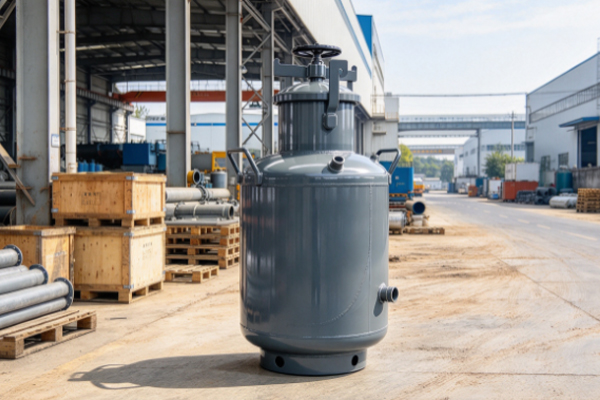
What Is the Typical Pressure of a Full Acetylene Tank?
Under specified filling conditions, common dissolved acetylene cylinders typically have a pressure around 1.5 MPa. However, this is not a fixed reading for every type of equipment or temperature. The actual pressure should be checked against the equipment nameplate, manufacturer’s documentation, filling requirements, and ambient temperature.
It is important to note that the 1.56 MPa limit specified in GB/T 11638-2020 applies to the maximum limited pressure of certain mobile acetylene cylinders at a reference temperature of 15°C. It does not represent the full-tank pressure of every fixed acetylene storage tank or mobile acetylene generator.
- Around 1.5 MPa is only a general reference, not a universal full-tank standard.
- Acetylene pressure generally rises as temperature increases and may decrease when the temperature drops.
- Different equipment designs, solvents, and filling conditions can produce different pressure readings.
If the pressure clearly exceeds the equipment’s specified range, do not release gas yourself or continue operating the equipment. Stop the relevant operation and contact qualified personnel for inspection.
Why Does Acetylene Tank Pressure Change Even When the Tank Is Full?
Unlike ordinary compressed gases such as oxygen and nitrogen, dissolved acetylene is commonly stored in equipment containing porous material and a solvent that holds the acetylene. Its pressure is affected by temperature, solvent conditions, and filling status. When the weather gets warmer, the pressure reading may rise. When the temperature drops, the reading may fall. This does not necessarily mean that the amount of gas has suddenly increased or decreased.
- Temperature changes: Higher temperatures may cause pressure to rise.
- Pressure stabilization after filling: The internal temperature and pressure may take time to reach equilibrium after filling.
- Different equipment specifications: Design parameters and permitted pressure ranges vary between models.
A changing pressure reading alone is not enough to determine whether the tank is full or faulty. During routine checks, pay attention to equipment temperature, pressure changes, and actual gas supply conditions.
How Do You Read an Acetylene Tank Pressure Gauge? Can It Show How Much Gas Is Left?
A pressure gauge helps monitor whether equipment pressure is within the specified range. It does not directly show how many kilograms or cubic meters of acetylene remain. This is particularly important for dissolved acetylene, which cannot be measured using the same pressure-to-volume conversion methods used for ordinary compressed gases.
During operation, pay attention to the following:
- Check the nameplate: Confirm the rated pressure and permitted operating conditions.
- Monitor temperature: Changes in weather can affect the gauge reading.
- Watch gas supply performance: If pressure fluctuates abnormally or the gas supply becomes unstable, stop operation and arrange an inspection.
- Respond to unusual odors or suspected leaks: Stay away from ignition sources, follow site emergency procedures, and contact qualified personnel.
Do not knock on the tank, adjust valves randomly, or dismantle pressurized components to estimate the remaining gas. The pressure gauge is only an operating reference and cannot replace professional inspection.
If Tank Pressure Cannot Show the Remaining Gas, Which Supply Option Is Better for Long-Term Use?
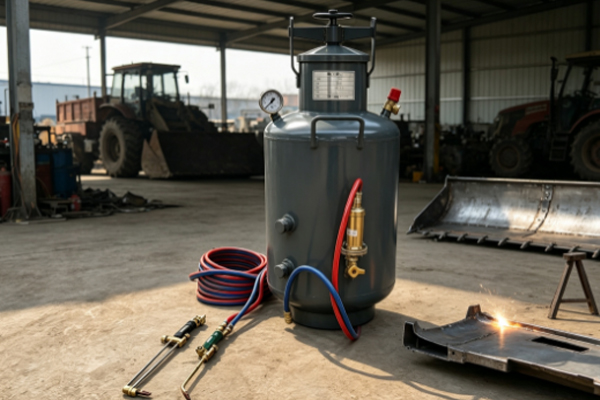
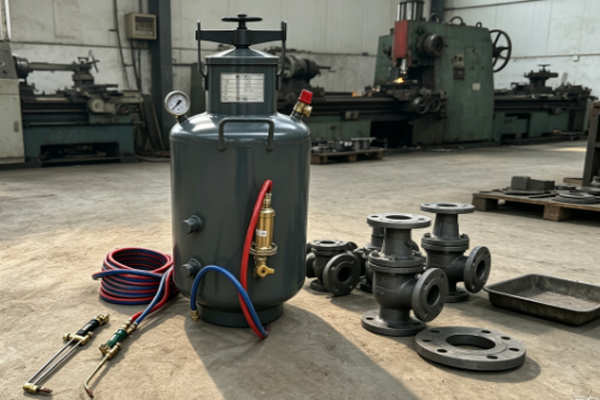
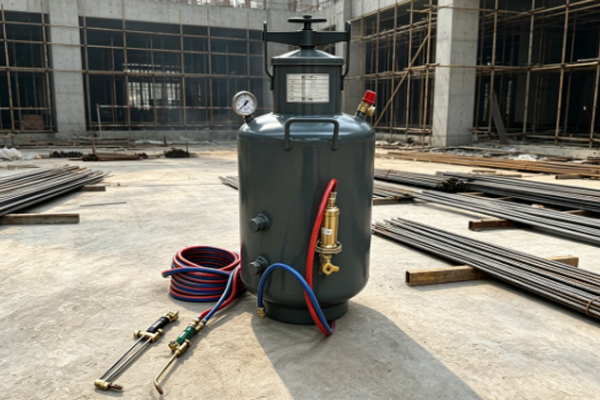
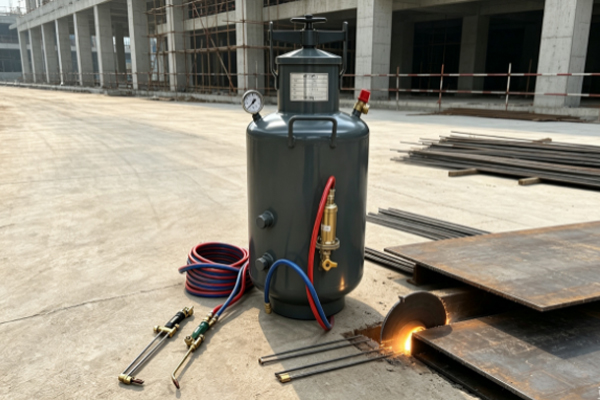
If an acetylene filling station is nearby and a project is short-term or requires gas only occasionally, conventional acetylene tanks are usually more convenient. They also avoid the initial investment in on-site gas generation equipment. However, remote infrastructure projects and construction sites with continuous, long-term gas demand may face high transportation and handling costs when repeatedly moving empty and full tanks. In these situations, a mobile acetylene generator may be worth considering. It produces acetylene on-site through a reaction between calcium carbide and water, reducing dependence on external filling stations and long-distance deliveries. Actual cost savings depend on calcium carbide availability, equipment investment, maintenance expenses, and daily gas consumption. Savings should not be treated as guaranteed.
We offer acetylene storage tanks and related gas supply equipment, with configurations available to suit different applications, gas consumption requirements, and site conditions. If you are planning a purchase, share your required quantity, application, destination country, and port of delivery to discuss suitable specifications and request a quotation.
There is no single pressure reading that applies to every full acetylene tank. The 1.56 MPa figure is the maximum limited pressure specified for certain acetylene cylinders at a reference temperature of 15°C, not a universal full-tank reading for all acetylene storage equipment. Always refer to the equipment nameplate, manufacturer’s documentation, and professional inspection results. For projects with long-term gas demand or limited access to filling stations, it is also worth comparing the overall costs of conventional tanks and on-site gas generation.