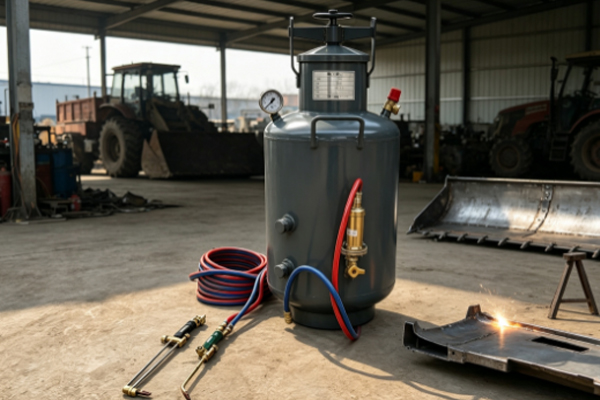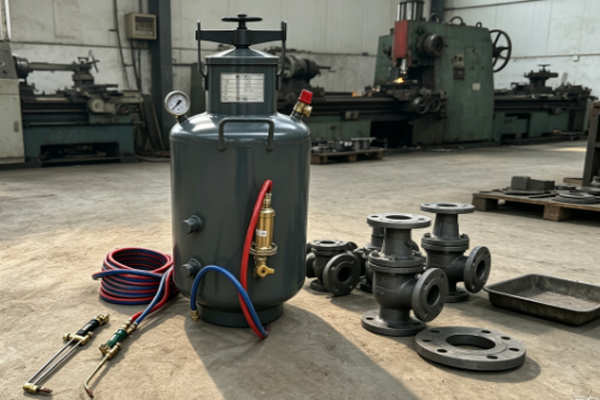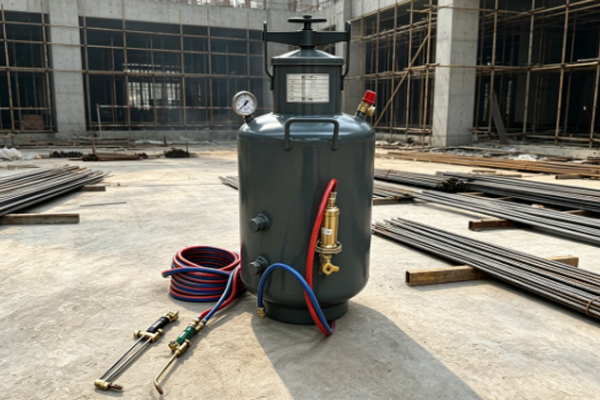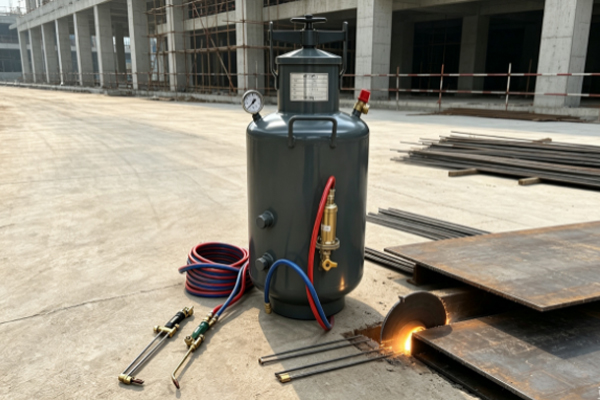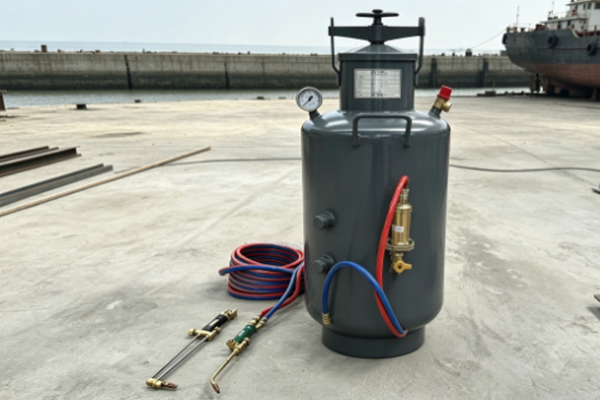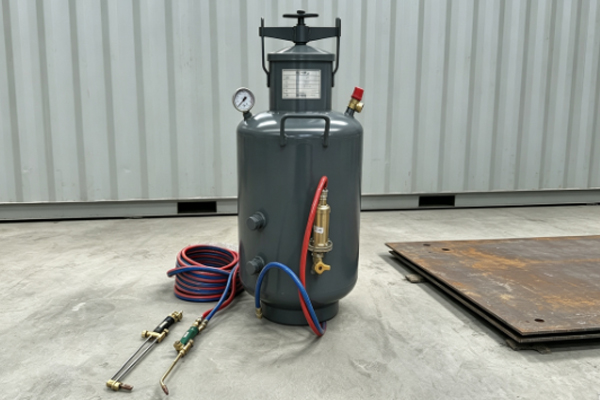
If an acetylene tank valve won’t open, don’t rush to force it with a wrench. A valve that has not been used for a long time, has been damaged by impact, or has developed an internal fault may become stuck. The situation can be more serious if the valve is already damaged, as forcing it may cause an acetylene leak and create risks at welding or cutting sites. The right approach is to stop operating the valve, check for signs of leakage, and arrange an inspection by qualified professionals. For factories and construction projects that use acetylene regularly, choosing a reliable acetylene tank with suitable valve components can also help reduce everyday operating problems.
Why Won’t an Acetylene Tank Valve Open?
Although an acetylene tank valve looks like a small component, it controls gas release and sealing. A valve that won’t open does not necessarily mean the tank is empty or that the operating method is incorrect. Common causes include long periods of inactivity, external damage, and internal components becoming stuck. When something seems wrong, do not keep trying to turn the valve or attempt to disassemble it yourself.
- Long periods without use: Internal parts may become stuck.
- External impact: The valve or stem may be bent.
- Component wear: Seals and moving parts may deteriorate.
- Incorrect operation: An unsuitable tool or improper handling may cause damage.
If the valve is visibly deformed, corroded, or unusually loose, the tank should not continue in service. Even if there is no noticeable odor, that does not confirm the equipment is leak-free. Suspected acetylene leaks must be checked using appropriate professional methods.
What Should You Do When an Acetylene Tank Valve Won’t Open?
When a valve cannot be opened, the most important thing is not to force it just to keep a project on schedule. Acetylene is highly flammable, so safety must come before restoring the gas supply. If you hear a hissing sound, notice an unusual odor, or suspect a leak, stop work immediately. Move away from the equipment, avoid ignition sources and electrical switches, follow the site’s emergency procedures, and contact qualified emergency personnel.
- Stop operating the valve: Do not keep turning it.
- Stay away from ignition sources: No smoking or hot work.
- Keep a safe distance: Do not move a tank suspected of leaking.
- Contact qualified professionals: Arrange an inspection and repair.
Even when there are no obvious signs of leakage, do not disassemble the valve, apply heat, or use an extended tool to increase turning force. Qualified personnel should check the valve condition, equipment pressure, and repair requirements. If necessary, the valve must be replaced with a compatible component that meets the equipment specifications.
Can You Repair a Stuck Acetylene Tank Valve Yourself?
Self-repair is not recommended. Acetylene tank valves are designed to control gas sealing and pressure-related operation. Their internal structures are not the same as ordinary water valves. Disassembly, hammering, heating, or applying unknown lubricants can create additional safety risks. If a valve cannot be operated normally, qualified professionals should inspect the valve stem, sealing components, connection points, and overall condition. When replacement is necessary, choosing a valve simply because it looks similar or has the same approximate size is not enough. Connection specifications, materials, pressure ratings, and equipment compatibility must all meet the requirements. If the tank is old, has been impacted, or no longer meets inspection requirements, the tank body should also be checked. Replacing the valve alone does not automatically make the equipment safe to use.
How Can You Prevent Acetylene Tank Valve Problems and Choose the Right Equipment?
Valve problems do not always happen without warning. Long periods of storage, impacts during transportation, and improper connections can all increase the risk of component damage. When purchasing an acetylene tank, don’t focus only on capacity and price. Pay attention to valve quality, connection specifications, manufacturing standards, and the availability of maintenance support.
- Check valve quality: Pay attention to sealing and connection compatibility.
- Prevent impacts: Protect the valve during handling and transportation.
- Inspect regularly: Stop using the equipment and arrange professional checks if anything seems abnormal.
- Confirm equipment specifications: Check operating pressure, capacity, and connection requirements before purchasing.
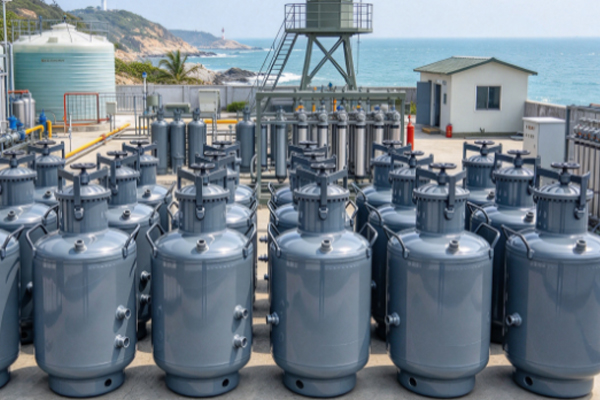
For projects that consume large quantities of acetylene every day and have no convenient local filling station, a mobile acetylene generator is also worth considering. It produces acetylene on-site through a controlled reaction between calcium carbide and water, reducing the need to transport empty tanks back and forth for repeated refilling. Under suitable conditions involving long-term, continuous gas consumption, total operating costs may be reduced by approximately 40%–60%. Actual savings depend on equipment investment, carbide prices, maintenance expenses, and gas consumption. For short-term projects with occasional gas use and convenient access to filling stations, traditional acetylene tanks may be the more economical choice because they avoid the additional investment in generation equipment.
If an acetylene tank valve won’t open, don’t force it or attempt an unauthorized repair. A safety inspection is more important than restoring the gas supply quickly. When purchasing equipment, valve quality, tank specifications, and the intended application all deserve attention. We offer acetylene tanks and mobile acetylene generators, with equipment configurations available for welding, cutting, and industrial gas applications. If you are planning a purchase, share your estimated gas consumption, order quantity, destination country, and port to discuss suitable product specifications and request a quotation.