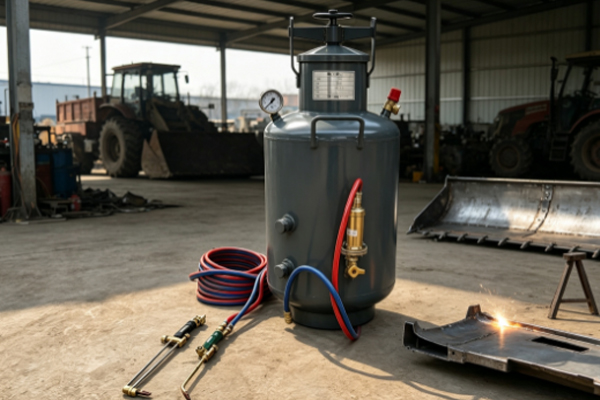
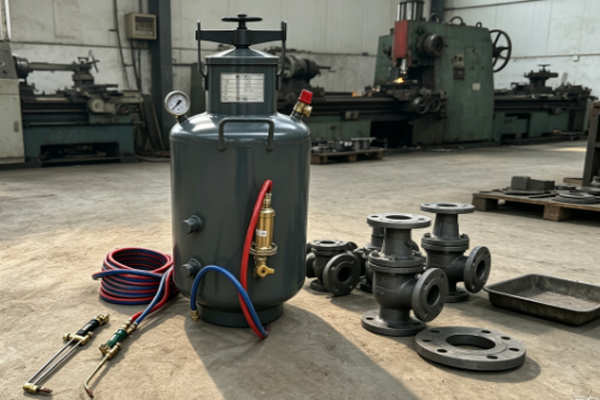
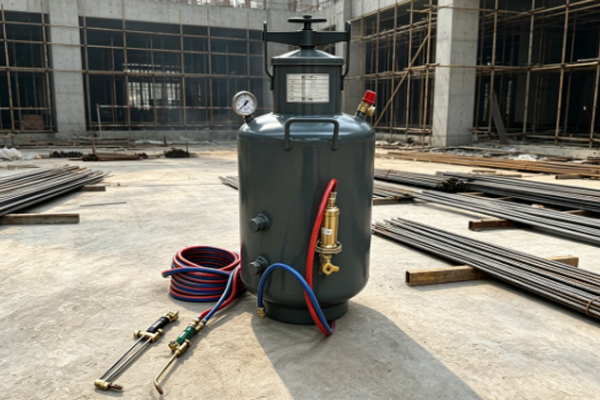
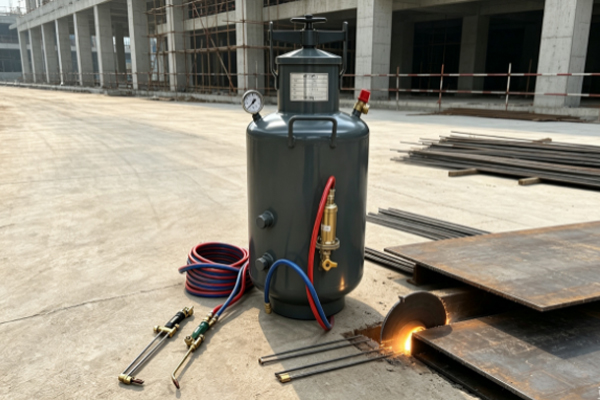
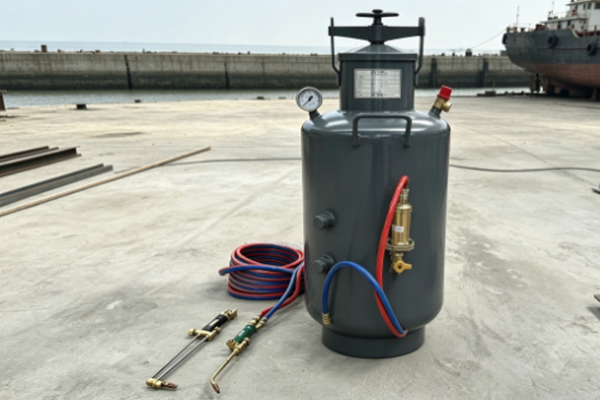
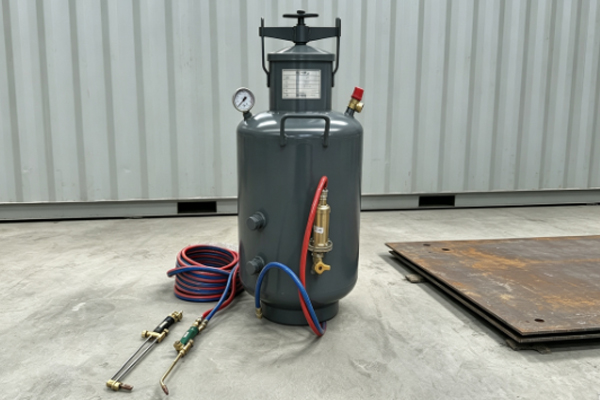
Choosing the right location for an acetylene tank is not something to take lightly. Placing it too close to a welding area can expose it to sparks and high temperatures, while keeping it in a poorly ventilated corner may increase the risk of gas accumulation. Factories, repair workshops, and construction sites often need to move equipment or adjust work areas, so installation locations should be planned in advance. A suitable location makes daily gas supply more convenient and helps improve equipment management, operator safety, and site security. It is not enough to consider how close the tank is to the welding torch; the surrounding environment must also meet acetylene storage and use requirements.
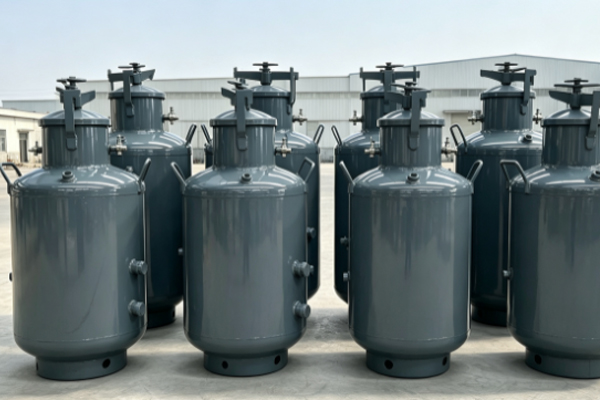
What Are the Requirements for Acetylene Tank Installation?
Acetylene is a flammable gas, so the installation location must comply with local fire safety regulations, gas cylinder storage requirements, and the equipment manufacturer’s instructions. Cylinders should not simply be placed in ordinary warehouses, narrow passageways, or crowded areas. When choosing an installation location, pay attention to the following conditions:
- Good ventilation: Choose a properly ventilated area to prevent leaked gas from accumulating.
- Away from ignition sources: Maintain the legally required safety distances from welding sparks, open flames, hot equipment, and other potential ignition sources.
- Stable, level ground: Avoid uneven or soft surfaces that could increase the risk of cylinders tipping over.
- Controlled access: Display warning signs and prevent unauthorized personnel from entering.
- Enough operating space: Leave sufficient room for inspections, handling, and emergency response.
The installation area should also be away from vehicle routes and locations where cylinders could be struck by machinery, heavy objects, or moving equipment. If the site has underground spaces, drainage channels, or low-lying areas, qualified professionals should assess the potential risks of gas dispersion before selecting a storage location.
Can Acetylene Tanks Be Installed Indoors or Outdoors?
There is no simple yes-or-no answer to whether an acetylene tank can be kept indoors. The decision depends on site conditions, cylinder type, storage quantity, and local regulations. Indoor installation requires compliant ventilation, fire protection facilities, and proper safety management. Cylinders should not be placed in sealed rooms, basements, or narrow enclosed spaces. Outdoor areas are not automatically suitable either. They should be protected from prolonged direct sunlight, standing water, vehicle traffic, and other potential hazards.
- Factory workshops: Set up a designated cylinder storage area that meets applicable requirements, away from production lines and heat-processing equipment.
- Repair facilities: Keep cylinders appropriately separated from welding and cutting work areas.
- Construction sites: Consider temporary gas requirements, worker movement, and vehicle access.
- Remote projects: Plan the gas supply and safety management area before equipment arrives.
If space is limited or gas needs to be supplied to several workstations, do not build a temporary storage area without professional guidance. Qualified personnel should review the installation plan to ensure that storage, operating, and fire safety requirements are met.
What Safety Precautions Should Be Taken When Installing an Acetylene Tank?
Completing the installation does not mean the tank is ready for immediate use. The site should also check cylinder restraints, valve protection, pipeline connections, and warning signs. Conventional dissolved acetylene cylinders must be kept in the correct operating position and secured against tipping, following the cylinder markings and manufacturer’s instructions. During transportation, do not drag, roll, or strike the cylinder, and never use its valve as a handle. When connecting pressure regulators and gas supply lines, use fittings specifically designed for acetylene. Installation and leak testing must be carried out by qualified personnel. Never use an open flame to check for leaks. If an unusual odor, gas leak, or abnormal heating is detected, stop work, move away from ignition sources, and follow the site’s emergency procedures.
Should Long-Term Gas Users Choose Acetylene Tanks or Mobile Acetylene Generators?
For factories with low gas consumption, short project durations, and a convenient acetylene filling station nearby, conventional acetylene cylinders are often the simpler option. However, factories with continuous, high-volume gas demand and construction projects in areas without acetylene filling stations may face high long-term costs from repeatedly transporting and replacing cylinders. The two supply options are suitable for different situations:
- Short-term projects: For occasional gas use and limited project durations, conventional acetylene cylinders offer flexibility and avoid additional equipment investment.
- Continuous operations: When daily gas consumption is high, frequent cylinder replacement can interrupt work.
- Remote construction sites: Without a nearby filling station, transporting empty cylinders out and bringing full ones back can be expensive.
- On-site gas production: A mobile acetylene generator produces acetylene through a chemical reaction between calcium carbide and water, reducing dependence on pre-filled cylinders and long-distance transportation.
The mobile acetylene generator uses a water-displacement control system. When gas pressure rises, water moves into a separate storage tank and the reaction stops. As gas is consumed and pressure drops, water returns to the reaction chamber and gas production resumes. Under suitable operating conditions, total long-term costs may be reduced by approximately 40%–60%. Actual savings depend on equipment investment, calcium carbide prices, gas consumption, and maintenance expenses.
The installation location of an acetylene tank must meet both site operating needs and gas storage and fire safety requirements. Before purchasing equipment, it is worth confirming the intended installation site, operating frequency, gas consumption, and availability of local filling stations. This helps avoid discovering that the available space is unsuitable after the equipment arrives. For projects requiring a continuous gas supply, a mobile acetylene generator may also be worth considering. We offer acetylene tanks in different specifications and mobile acetylene generators for factories, repair workshops, and construction projects. Contact us with your application, estimated gas consumption, purchase quantity, destination country, and port. We can recommend suitable equipment and provide a quotation based on your requirements.