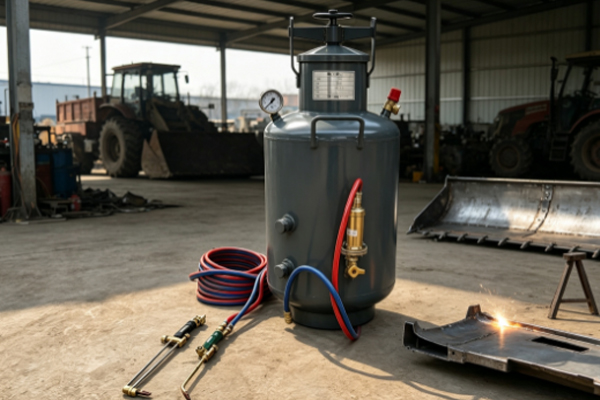
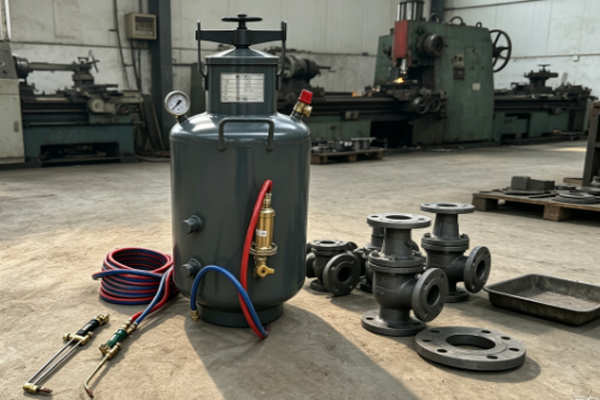
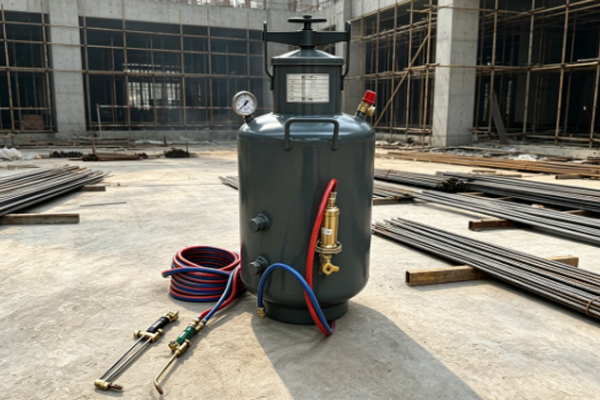
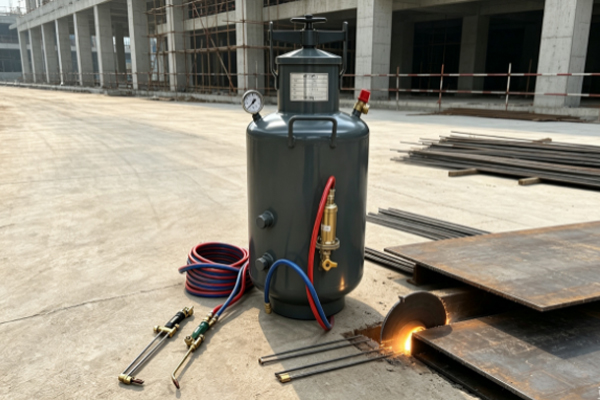
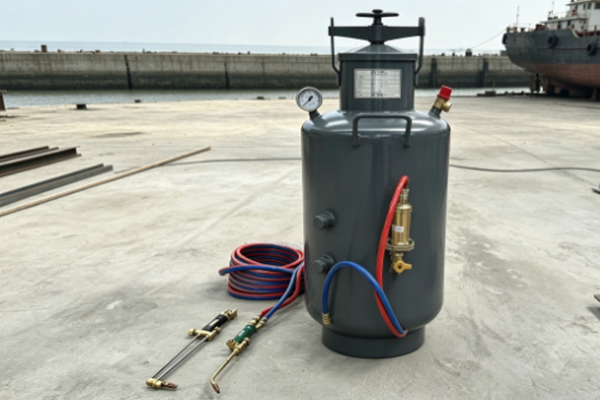
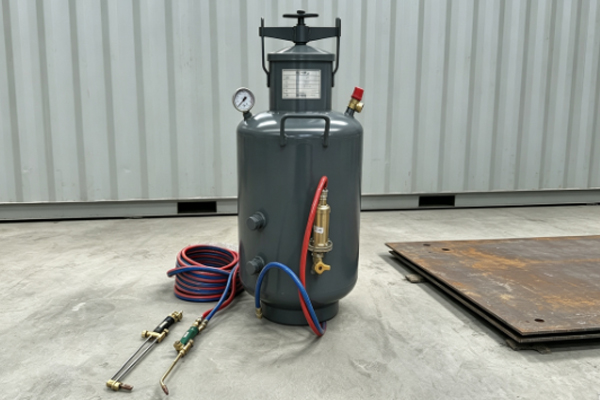
An acetylene storage tank cannot simply be filled, connected to a pipeline, and put into operation without proper checks. Valve operation, gas supply stability, and shutdown procedures all affect workshop safety and production efficiency. Welding and metal cutting often require a continuous gas supply, so unfamiliarity with the equipment or continuing to work after a problem appears can create unnecessary risks. Safe acetylene storage tank operation is not just about remembering a few basic steps. Operators need to understand the equipment instructions, operating procedures, and emergency response requirements. Checking the equipment before use, monitoring it during operation, and handling shutdown correctly can help prevent operating mistakes.
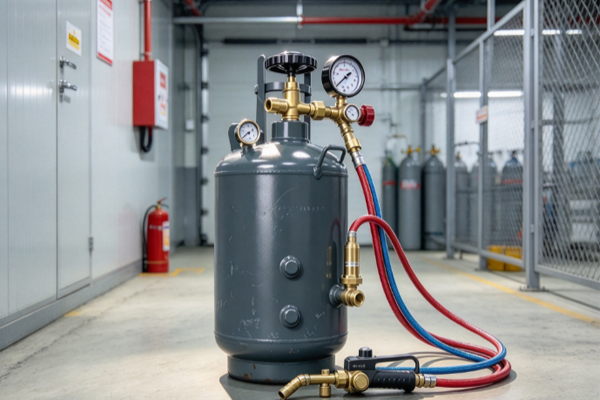
How Do You Operate an Acetylene Storage Tank? What Should You Check Before Use?
Spending a few minutes checking the equipment before starting the gas supply is much easier than dealing with problems during operation. Different acetylene gas supply systems may have different designs and operating requirements, so always follow the manufacturer’s instructions and approved site procedures.
- Inspect the equipment: Check the tank, pipelines, and connections for visible damage, unusual corrosion, or signs of leakage. Do not start the equipment if anything appears abnormal.
- Check the safety accessories. Pressure gauges, valves, and related safety devices should be in normal working condition. If an instrument displays unusual readings, an accessory is damaged, or its inspection status is unclear, stop and contact qualified professionals.
- Clear the surrounding area: Keep combustible materials away from the equipment and maintain a safe distance from open flames, welding sparks, and other ignition sources. Access routes and emergency equipment must remain unobstructed.
- Confirm that the gas supply pipelines are compatible with the gas-consuming equipment and that operators have received the required training. Do not make temporary pipeline connections or modify the equipment configuration without authorization.
What Precautions Should You Follow When Operating an Acetylene Gas Supply System?
Once the gas supply starts, operators should not focus only on welding or cutting. They also need to monitor the equipment’s operating condition. Acetylene is a flammable gas, so the valve-opening sequence, working pressure, and gas supply settings must follow the manufacturer’s instructions rather than personal experience or guesswork.
- Start the gas supply according to the approved procedure. Trained personnel should follow the equipment instructions and site operating procedures. Never force a valve or dismantle pipeline connections without authorization.
- Monitor pressure changes. Check whether instrument readings remain within the specified operating range. If the pressure fluctuates abnormally or the gas supply suddenly stops, suspend the related work and have the cause investigated before resuming operation.
- Stop using the equipment if an abnormality occurs. Pipeline damage, unusual heating, or suspected leakage around a connection must not be ignored. Do not continue supplying gas just to meet a production deadline. Follow the site’s safety procedures instead.
What Should You Do If an Acetylene Storage Tank Develops a Problem During Operation?
The biggest risk is not a temporary equipment shutdown, but failing to respond when something goes wrong. If you notice an unusual acetylene odor, suspected leakage, abnormal pressure, or impact damage to the equipment, stop the related work immediately and follow the site’s emergency procedures. Never use an open flame to check for leaks, and avoid operating electrical switches or other devices that could create sparks. Move away from the suspected leak and ignition sources, evacuate as required by the emergency plan, and contact trained professionals. If the leak cannot be safely controlled, leave the area and seek emergency assistance. Do not restart the equipment until qualified personnel have inspected it and confirmed that it is safe to use.
How Should You Shut Down an Acetylene Storage Tank After Use?
Shut off the gas supply. After work is complete, trained personnel should close the relevant valves in accordance with the equipment instructions and site procedures. Do not change the required shutdown sequence without authorization.
- Check the equipment condition: Inspect the tank and pipelines for visible abnormalities and confirm that the equipment is in the required safe state.
- If a leak is suspected, follow the emergency procedures. Never dismantle valves or pressurized components yourself.
- Clean up the work area. Remove surrounding debris, keep access routes clear, and prevent tools or materials from striking the equipment.
- Keep operating records that document abnormalities, maintenance needs, and outstanding handover issues. This helps the next shift understand the equipment’s condition.
Operating an acetylene storage tank may seem straightforward, but every step needs to follow the correct procedure rather than guesswork. Different equipment types can have different gas supply systems, valve configurations, and operating requirements, so the procedure for one installation should not automatically be applied to another. Businesses should assign trained personnel to operate the equipment and maintain appropriate inspection records, operating logs, and shutdown procedures. If you are planning a new acetylene gas supply installation, provide a qualified supplier with details about the gas-consuming equipment, daily gas demand, and site conditions. Confirm that the equipment specifications, accessories, and operating documentation meet your requirements. This helps make future acetylene storage tank operation safer, more consistent, and easier to manage.