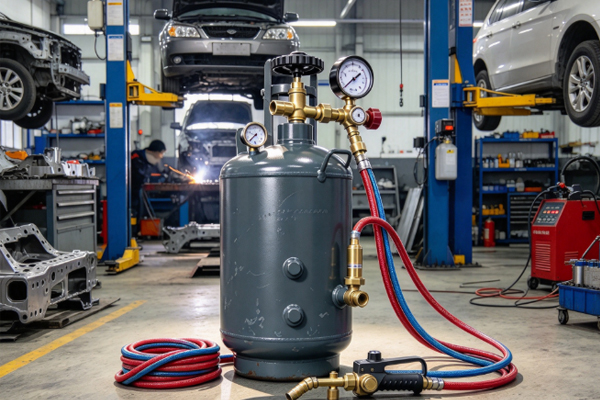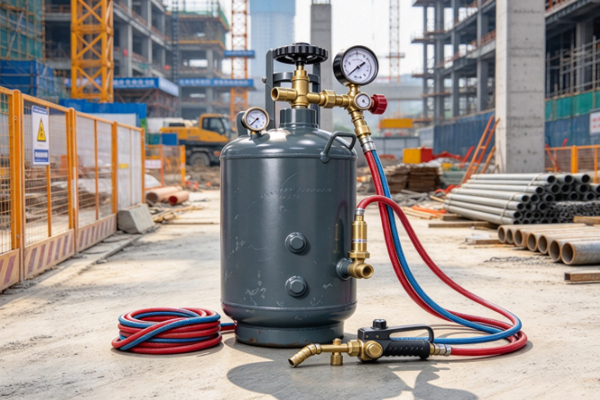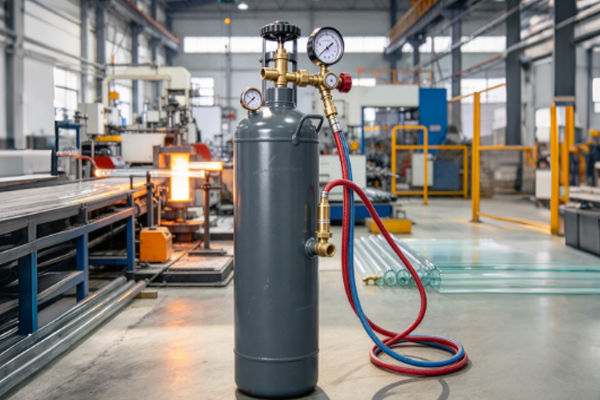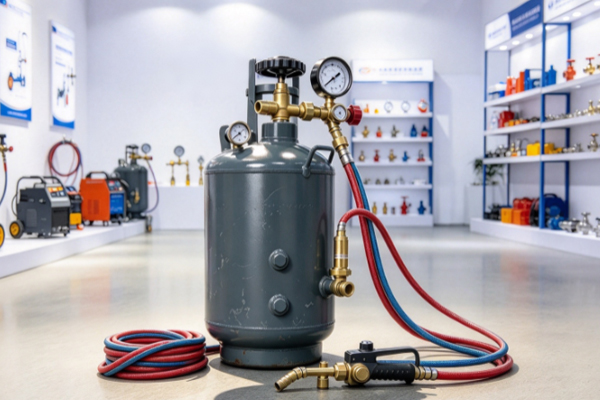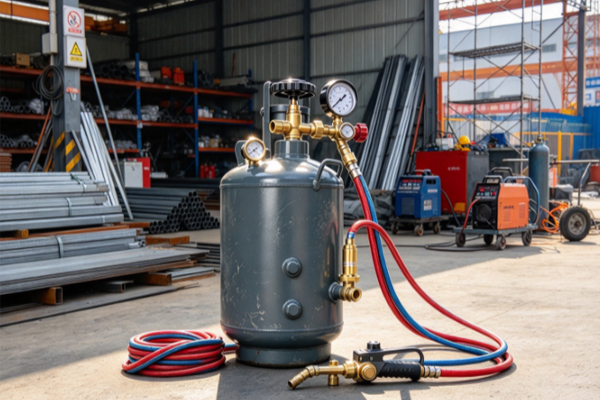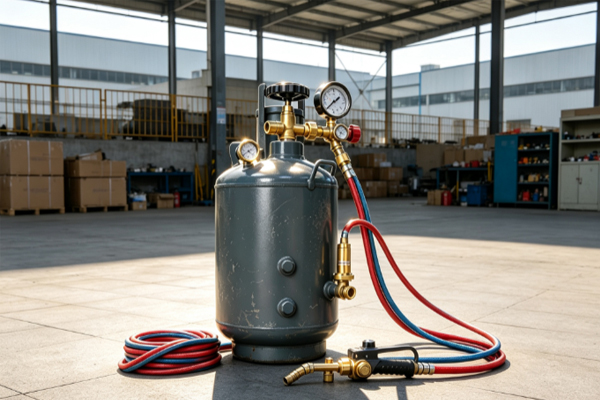
In industrial gas systems, acetylene is a core fuel gas widely used in welding and cutting operations. The stability of its storage and supply system directly affects production efficiency and safety management. For enterprises, selecting the acetylene storage tank size is not just a purchasing decision, but an important part of production planning. Improper sizing may lead to unstable gas supply, increased costs, or even safety risks. Therefore, a scientific selection guide is essential for building an efficient and reliable gas supply system.
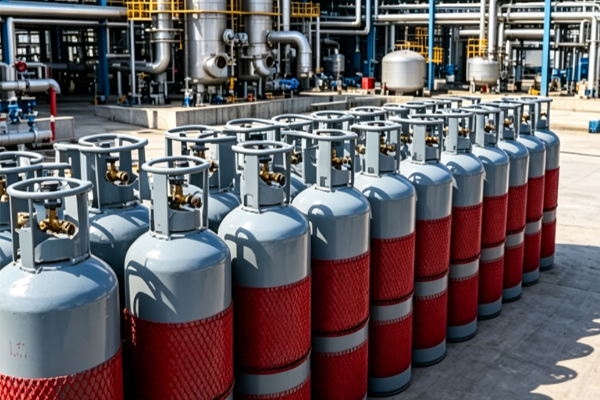
Clarifying Gas Demand Is the First Step in Selection
Before selecting an acetylene storage tank size, enterprises must systematically analyze their production rhythm, process characteristics, and gas consumption structure, as different production modes require different levels of gas supply stability:
- Calculate daily gas consumption to understand baseline demand
- Analyze peak usage periods to avoid insufficient supply
- Distinguish gas usage across different processes to avoid uniform configuration
- Consider shift schedules to determine continuous supply requirements
Only by clearly defining real demand can companies avoid oversizing or undersizing problems.
Matching Tank Size to Production Scale
Different production scales require significantly different acetylene storage tank sizes. Selection should be based on actual capacity and operational continuity rather than industry averages:
- Small maintenance operations: 40L–80L tanks are sufficient for flexible use
- Medium manufacturing enterprises: 100L–500L tanks support multi-station continuous operation
- Large industrial production: 500L+ tanks or centralized gas supply systems ensure stability
Proper matching improves both equipment utilization and gas supply reliability.
Considering Installation Conditions When Selecting Tank Size
Many companies focus only on capacity and overlook installation constraints, but in reality, site conditions often determine whether the system can operate safely and effectively:
- Check whether workshop space allows proper installation and maintenance
- Ensure adequate ventilation in compliance with safety standards
- Verify floor load-bearing capacity for equipment weight
- Maintain safe distances from ignition sources or high-temperature areas
Installation conditions directly determine the feasibility of tank size selection.
Evaluating Safety When Choosing Tank Size
As acetylene is a highly flammable gas, safety must be a key factor in selection. Different tank sizes also influence risk levels and system management complexity:
- Larger tanks store more energy, increasing potential impact in case of leakage
- Smaller tanks are easier to manage but require frequent replacement
- Proper sizing helps stabilize system pressure fluctuations
- Safety accessories must match tank capacity
Safety should always remain a top priority in the selection process.
Focusing on Cost Structure Instead of Just Price
In procurement decisions, many companies focus only on initial cost while ignoring long-term operational expenses, which often have a greater impact on total investment:
- Large tanks require higher upfront investment but suit long-term stable production
- Small tanks have lower purchase costs but require more frequent handling
- Oversized or undersized systems both increase hidden operational costs
- Proper sizing reduces maintenance and refilling expenses
Evaluating lifecycle cost leads to more rational decision-making.
Planning for Future Expansion
As enterprises grow, production capacity and processes may expand. Therefore, acetylene storage tank selection should include forward-looking planning to avoid repeated investments:
- Reserve capacity for future production growth
- Consider modular expandable systems
- Avoid frequent equipment replacement
- Balance current needs with long-term development
Proper planning helps reduce future capital waste and improve investment efficiency.
Acetylene storage tank size selection is not a simple parameter decision, but a comprehensive process involving production demand, safety requirements, installation conditions, and cost structure. Only through scientific evaluation and proper configuration can a stable, safe, and efficient industrial gas supply system be achieved. Zhongcheng Gas Cylinde provides a wide range of acetylene storage tank size solutions to help enterprises build more reliable industrial gas supply systems.