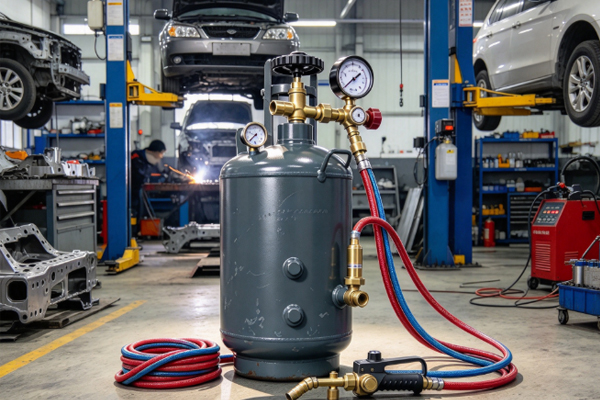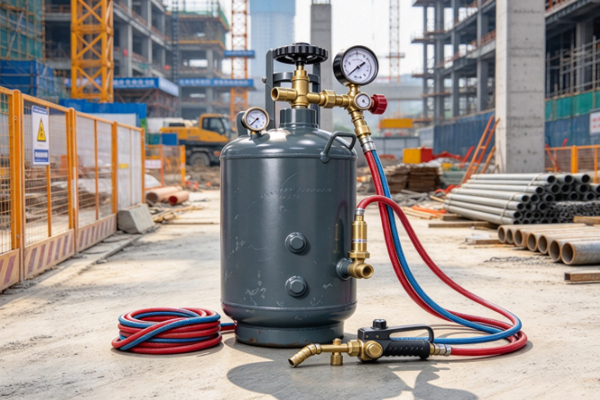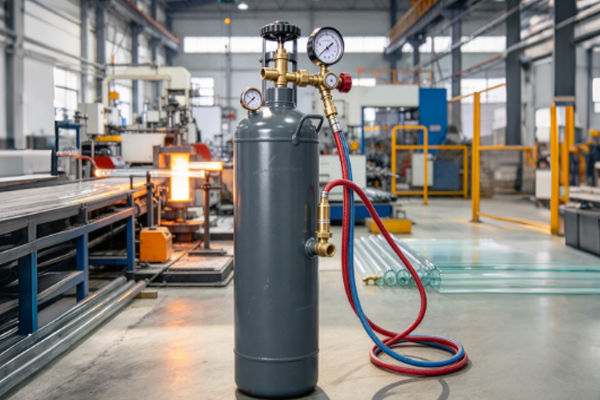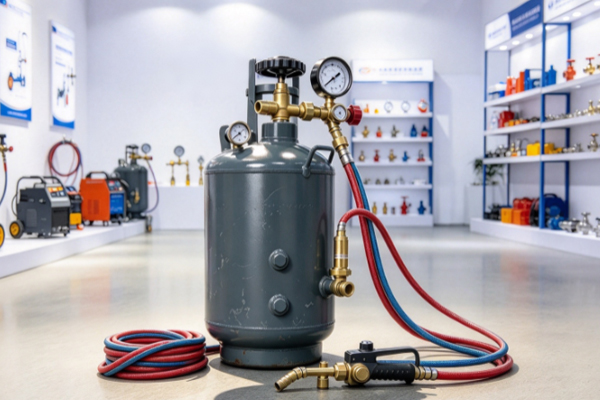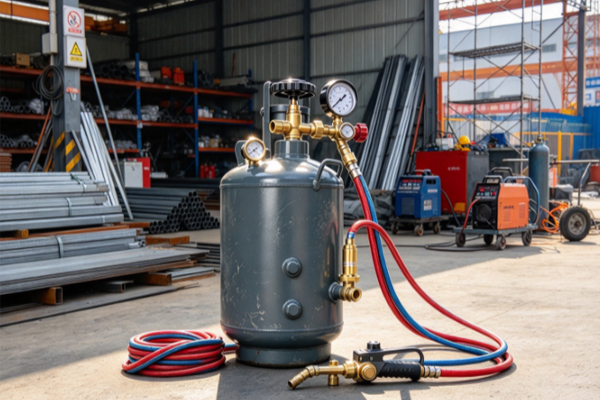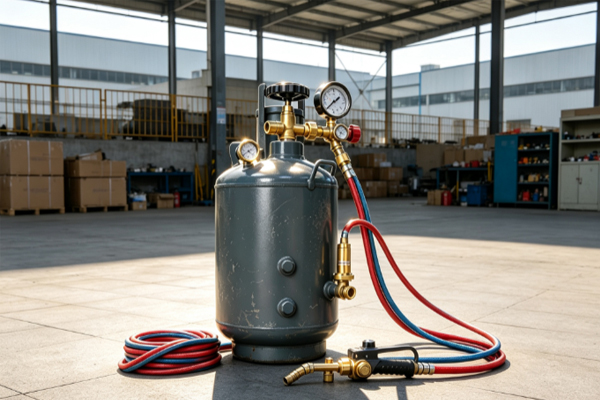
Acetylene storage tanks are industrial storage equipment with high safety performance requirements. During the manufacturing process, welding technology is an important factor affecting product quality and production costs. Welding not only determines the overall structural strength of the storage tank but also affects the sealing performance and long-term operational stability of the equipment. Therefore, when customizing acetylene storage tanks, welding costs are usually calculated separately and adjusted according to tank specifications, welding difficulty, material type, and inspection requirements. Different tank sizes, steel plate thicknesses, and welding standards will all lead to cost variations.
Basic Composition of Acetylene Storage Tank Welding Costs
Why Do Welding Costs Differ?
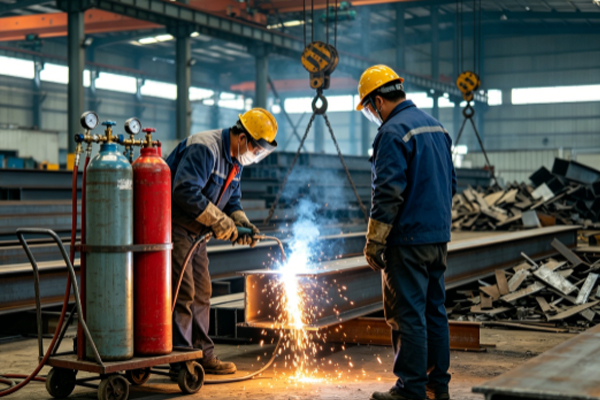
The welding cost of acetylene storage tanks is not calculated according to a single standard but is determined based on the actual workload during the manufacturing process. During production, the tank requires multiple welding procedures, including cylinder body welding, head connection, interface welding, and accessory fixing. Each welding position affects labor input and equipment usage costs.If the storage tank is larger, the required welding length increases, resulting in longer working hours and naturally higher welding costs. For equipment with higher pressure ratings, stricter welding processes must be adopted, requiring higher technical skills from operators and more advanced production equipment.In addition, acetylene storage tanks are special-purpose equipment. After welding is completed, inspections are usually required to ensure that weld quality meets relevant standards. These inspection procedures are also included in the overall manufacturing cost.
Main Factors Affecting Acetylene Storage Tank Welding Costs
Tank Specifications and Welding Workload
Tank specifications are one of the important factors affecting welding costs. The larger the tank capacity, the more steel plates are required, and the longer the welding seams that need to be connected, resulting in a significant increase in welding workload.Small storage tanks generally have simpler structures, fewer welding points, shorter production times, and relatively lower welding costs. Large industrial storage tanks not only have larger welding areas but may also require additional reinforcement structures, making the welding process more complicated.During customized production, manufacturers usually evaluate costs based on tank dimensions, structural drawings, and the number of welding points before calculating specific welding expenses.
Material Type Affects Welding Difficulty
Acetylene storage tanks usually use pressure vessel steel materials that meet relevant requirements. Different materials have different levels of welding difficulty.Some types of steel require strict control of welding temperature to prevent deformation or internal stress problems. Material thickness also affects welding costs. Thicker steel plates require more time to complete fusion and place higher requirements on welding equipment power and operator skills, increasing labor costs and equipment consumption.If customers require special materials for storage tanks, such as higher strength or improved corrosion resistance, welding processes may need to be adjusted, which will also affect manufacturing costs.
Welding Process Requirements Affect Price
Different usage environments have different requirements for acetylene storage tank welding quality. There are clear cost differences between standard welding and high-standard welding.For high-requirement production, manufacturers may use automatic welding equipment to improve weld stability. Some structures may require precise manual welding to ensure connection quality in special areas.After welding is completed, weld inspections are also required, such as visual inspection, airtightness testing, and non-destructive testing. The more complete the inspection process, the more time and cost are required, but it can further ensure equipment safety performance.
Welder Skills and Production Environment
The technical level of welding personnel also affects the final cost. Experienced welders can better control welding quality, reduce rework, and improve production efficiency.For special equipment such as acetylene storage tanks, welders need relevant operating experience and must be able to adjust welding parameters according to material characteristics.If the production environment has higher requirements, such as the need for special workshops or professional equipment assistance, manufacturing costs will also increase. Therefore, welding costs include not only the welding operation itself but also production management, equipment usage, and quality control investments.
How to Reasonably Control Acetylene Storage Tank Welding Costs?
When calculating welding costs for acetylene storage tanks, companies need to clarify equipment requirements and manufacturing standards in advance. Proper planning can reduce unnecessary processing difficulties while ensuring that equipment meets usage requirements.
Choose suitable storage tank specifications:Select the appropriate capacity according to actual gas consumption needs to avoid increased material and welding costs caused by oversized designs.
Confirm welding standards in advance:Different inspection requirements correspond to different production costs. Clearly defining standards can prevent additional expenses later.
Choose experienced manufacturers:Manufacturers with complete equipment and experienced teams can improve welding efficiency and reduce additional expenses caused by rework.
Optimize structural design:A reasonable structural design can reduce complex welding positions, improve production efficiency, and lower manufacturing costs.
Through reasonable design and production planning, welding costs can become more transparent and help enterprises better manage procurement budgets.
Frequently Asked Questions
What Percentage of the Total Acetylene Storage Tank Price Is Welding Cost?
The proportion of welding costs in the total price varies depending on tank specifications and manufacturing requirements. For standard equipment, welding costs are relatively stable. For large-scale and high-standard customized equipment, the proportion may increase due to larger welding workloads and stricter inspection requirements.The specific percentage needs to be calculated based on product structure and manufacturing processes.
What Is the Price Difference Between Manual Welding and Automatic Welding?
Automatic welding equipment has higher production efficiency and is suitable for storage tanks with regular structures and mass production, reducing labor input.Manual welding offers greater flexibility and is suitable for complex structures or special processing positions.Both methods have their own advantages, and manufacturers will select appropriate welding processes based on storage tank design requirements.
Why Are Inspections Required After Welding Is Completed?
Acetylene storage tanks operate under pressure for long periods, and weld quality directly affects equipment safety. Therefore, after welding is completed, relevant inspections are required to confirm whether the welds are strong and reliable, preventing problems such as leakage.Although inspection costs increase manufacturing expenses, they are an essential step in ensuring equipment safety.
The welding cost of acetylene storage tanks is not simply calculated based on welding time. Instead, it is determined by multiple factors, including welding workload, material difficulty, process requirements, and inspection procedures.The larger the storage tank, the more complex the structure, and the higher the welding technical requirements, the greater the production investment will be. During customization, manufacturers need to evaluate welding difficulty according to design drawings and then prepare reasonable quotations based on labor, equipment, and inspection costs.By understanding these factors before procurement, enterprises can more accurately judge whether equipment prices are reasonable. Selecting suitable structural designs, clarifying production requirements, and adopting appropriate welding processes can all help enterprises reduce unnecessary expenses.